
For action against China: Srinagar’s air base being used by IAF as nerve centre
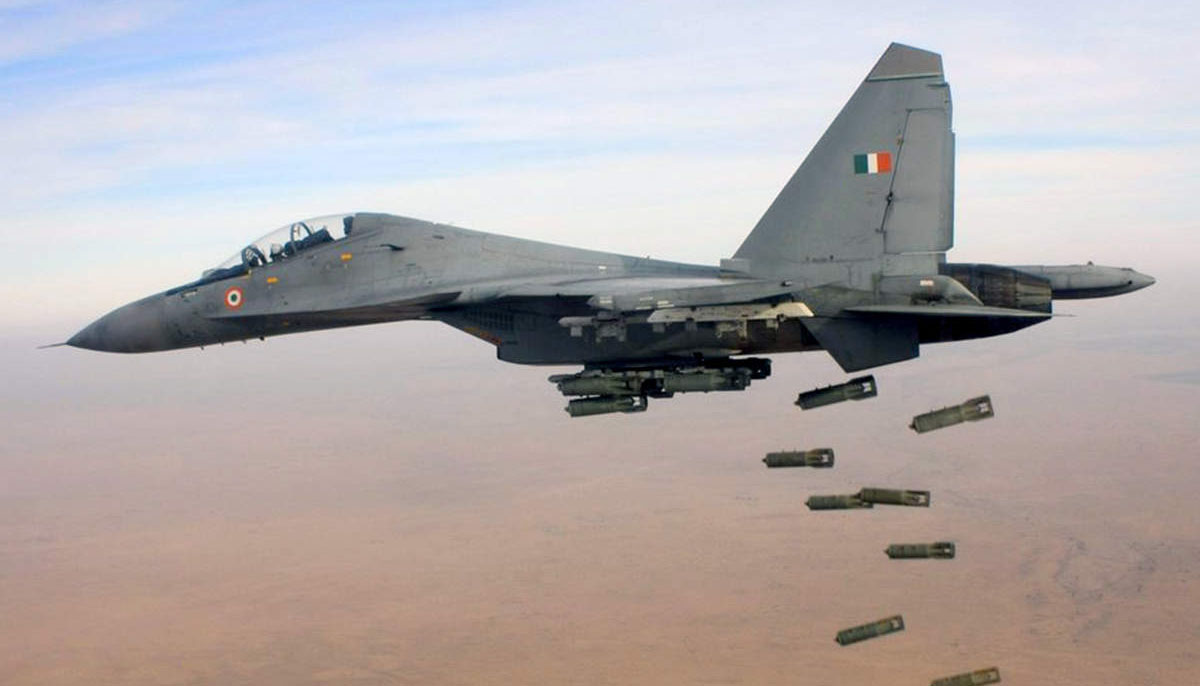
ISLAMABAD: Indian Occupied Kashmir (IOK) capital Srinagar’s air base being used by the Indian Air Force (IAF) has become nerve centre for a massive logistical exercise and hostile activities by India with Chinese border in eastern Ladakh.
The IAF is using Srinagar base for possible respond on killing of its 20 soldiers by the Chinese. Senior officers of IAF have maintained that this air base has always held an important place in the scheme of things for IAF. From here it looks at the quick induction of army and paramilitary forces; this place is ideally suited for these operations and Indians have been doing this for many months and years.
The ongoing is the biggest exercise of its kind. The volume of men and material that has been moved in the past few weeks and months is phenomenal. The base also played a key role in so-called Balakot strike last year. This has been aided by the induction of large transport aircraft that can mobilise greater numbers of troops and supplies.
Indian sources have claimed that all of this is to counter efforts by the Chinese to intrude into Indian territory. Last month, satellite images showed they had crossed over by 423 metres in the Galwan Valley. A mutual disengagement process is ongoing as both sides have pulled back by two kilometres in the Galwan region and the Chinese have dismantled camps at PP 14. There is no visible sign of end to the standoff though the two sides agreed to initiate disengagement of the forces from the region.
The IAF is alert with Apache attack helicopters conducting night-time sorties from forward bases in Ladakh. India has more than 20 such choppers, which are considered the most formidable attack helicopter in the world.
In the meanwhile, the IAF is carrying out nighttime combat air patrols over the mountainous eastern Ladakh region as part of its decision to maintain a high-level of readiness notwithstanding disengagement of troops by China from several friction points in the area, Indian government sources said on Tuesday. The frequency of day and night operations by frontline fighter jets is a signal that India will continue to stay alert until the status quo ante is restored in all the areas in eastern Ladakh including Pangong Tso, Gogra and Hot Springs, they said.
The senior Indian official has said that there is no question of lowering guard at this juncture. The sources said both the army and the IAF will maintain their high alert level along the LAC even as China has begun pulling back troops from several areas as part of a mutual disengagement process. The IAF has also pressed into service a fleet of C-17 Globemaster III transport aircraft as well as C-130J Super Hercules.







-
 Tina Knowles Feels Proud Of Beyoncé's Daughter Blue Ivy: 'She's A Huge Talent'
 -
 Kai Trump Reveals How Grandfather President Donald Trump's One Gesture Melts Her Heart
 -
 Boots Riley Makes Bombshell Confession About 'I’m A Virgo' Season 2
 -
 Prince Harry Dubbed ‘wildly Unhappy’ With Meghan Markle
 -
 Shay Mitchell Fears 'wrinkles' Ahead Of Family's Plans For Summer
 -
 'Obsession' Star Inde Navarrette Calls Fame 'vulnerable Thing' After Viral Praise
 -
 How Queen Camilla Keeps Herself ‘hidden From View’
 -
 Prince William Reveals Prince George Doesn't Always Stay At Home
 -
 'Virgin River' Actor Stewart McLean's Friend Recalls Uneasy Signs Before Tragic Discovery
 -
 Shakira Sends Fans Into Meltdown With FIFA World Cup 2026 Anthem Music Video
 -
 Paul Simon Goes Unfiltered On Elvis Presley’s Later Career And Film Choices
 -
 'Gilmore Girls' Most Hated Character Is Getting Major Redemption Online
 -
 Alix Earle Opens Up About Age-gap Dating After Tom Brady Speculation
 -
 US And Iran Report Progress On Talks Ending War
 -
 Lena Dunham Recalls Husband's First Impression Of Her
 -
 King Charles Charity Ends Chelsea Flower Show