
Doval’s doctrine in action
Choice before Pakistan is clear: either let Balochistan be used as permanent pressure point
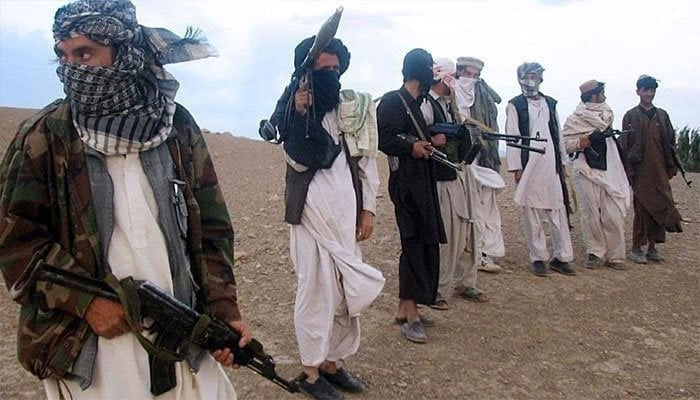
India’s tactical defeat in the recent conflict hasn’t prompted restraint. It’s accelerated a dangerous descent. That a nuclear-armed state would respond to a military setback by doubling down on covert proxy warfare isn’t a sign of strategy but of desperation. And nowhere is that desperation more visible than in Balochistan, where the decades-old Indian hand is now a matter of record.
The link between India’s RAW and the Balochistan Liberation Army has been well-established. But what’s new – and demands a far more serious response – is the engineered alliance between the BLA and the TTP. These are ideologically incompatible groups with no organic reason to work together. Their operational merger makes sense only when understood as the product of a foreign intelligence apparatus acting with purpose – in this case, RAW.
For years, Ajit Doval’s doctrine of 'offensive defence' has been passed off as strategic brilliance in Indian circles. In reality, it’s amounted to exporting terror to Pakistan and masking it as containment. Doval himself has been more than happy to explain it all to his YouTube audience – how India is engaging in hybrid warfare, how its reach extends into Pakistan’s tribal belt, and how non-state actors are used as force multipliers. When such admissions come not from whistleblowers but senior security officials, there’s no point pretending we’re dealing with anything less than a state policy of sustained subversion.
Yet for too long, Pakistan has hesitated to update the rulebook. Even when arrests were made and confessions surfaced, the preferred response was caution and international diplomacy. Now that India’s role in stoking unrest through the BLA-TTP nexus is undeniable, that playbook has run its course.
India isn’t just backing terror. It’s building a parallel theatre of conflict that doesn’t show up in ceasefire agreements or diplomatic overtures but bleeds Pakistan in slow motion. And after the embarrassment of a failed escalation, India has every incentive to let this theatre take centre-stage.
The signs are already there. Cross-border terrorism has picked up. Sleeper cells are being activated in urban centres. Ethnic fault lines are once again being tested. The pattern is textbook asymmetric warfare, but the context is important: this isn’t the behaviour of a rising regional power. It’s the last gasp of a regional spoiler that thought military posturing would yield strategic depth, only to realise it was neither ready nor capable of sustaining it.
The most troubling front in this campaign remains Balochistan. Unlike past cycles of violence, the new wave is far more calculated. It targets infrastructure, demoralises security personnel and aims to isolate the province both politically and economically. The agenda is no longer about Baloch grievances; it’s about creating sustained instability that can be leveraged externally. What we’re seeing is really remote-controlled sabotage.
RAW’s tactics in Balochistan are evolving. Recent operations have shown a marked increase in technical sophistication. Communication channels are encrypted, funding routes are harder to trace and targeted disinformation campaigns now accompany kinetic attacks. This hybrid model mirrors patterns seen in other destabilisation theatres, from eastern Ukraine to parts of the Middle East, and should not be dismissed as improvisation. This is India’s strategy.
Meanwhile, international attention remains fleeting, driven more by geopolitical alignments than objective assessments. Western capitals that preach stability have shown little appetite for calling out India’s double game. At best, they issue bland statements of concern. At worst, they reward India with defence deals and diplomatic cover. Pakistan must break this silence – and not with dossiers alone. Strategic engagement, evidence-based diplomacy and a calibrated media campaign must converge to challenge the narrative.
What matters now is clarity of purpose. Pakistan’s security establishment cannot afford to play defence indefinitely. The enemy has declared its strategy. It’s time Pakistan declared its resolve. That means enhancing internal coherence, securing the information space, denying operational depth to proxies and building the regional alliances necessary to expose and isolate the architects of subversion.
India’s defeat on the battlefield should have marked a pause in hostilities. Instead, it has sharpened the covert edge of its foreign policy. The choice before Pakistan is clear: either let Balochistan be used as a permanent pressure point or expose the covert war for what it is – and act accordingly.
The writer is the chairperson of the Punjab Women Protection Authority.


