
Hospitals struggle as life-saving medical devices stuck at airports, ports
Importers and healthcare professionals warn that hospitals across country are already facing impact
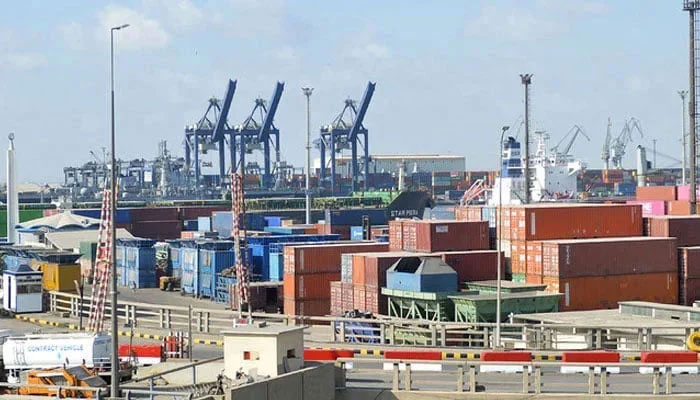
ISLAMABAD: A severe shortage of life-saving medical devices, including diagnostic kits, surgical tools, implants, and monitoring equipment, has started crippling the country’s healthcare sector as customs authorities are blocking shipments at entry points following the expiry of an exemption period for their registration.
With no clear directives issued for an extension to the customs authorities, consignments of essential medical supplies remain stranded at airports and ports, worsening an already dire situation.
Importers and healthcare professionals warn that hospitals across the country are already facing the impact, as crucial equipment remains unavailable for urgent procedures.
Customs officials have written to the Drug Regulatory Authority of Pakistan (Drap), seeking guidance on whether to release the halted shipments or enforce the expired exemption under SRO 224(1) 2023, which lapsed on December 31, 2024. Currently, numerous consignments of Class A, B, C, and D medical devices remain blocked at various entry points due to the requirement of a Certificate of Enlistment and Registration.
“The situation forced desperate importers to approach the Islamabad High Court (IHC) for intervention. On January 30, 2025, the court granted a stay order, barring coercive action against petitioners until their pending registration applications are resolved,” said Syed Omer Ahmed, Chairman of the Healthcare Devices Association of Pakistan (HDAP). Despite the court order, customs officials remain hesitant, leading to mounting demurrage charges and worsening shortages in hospitals.
Ahmed emphasised that the inaction and ambiguity of Member Customs (Operations) and Drap in providing clear directives to provincial customs authorities, despite the IHC’s stay order, had already cast a devastating impact on the healthcare industry.
Although Drap had recommended an extension of the exemption period and forwarded the advisory to the Prime Minister’s Office through the Ministry of National Health Services, no formal notification has been issued by the government, he maintained.
“In the meantime, customs authorities remain unclear about how to proceed and have sought further clarity from Drap, which is yet to provide a definitive response,” Ahmed said.
Expressing grave concerns over bureaucratic delays, he warned that failure to resolve this regulatory bottleneck is causing deterioration in the condition of imported devices at ports and airports, potentially leading to their complete loss.
“Medical devices are rusting away at entry points, while patients suffer due to shortages,” he added.
The situation is further exacerbated by the absence of a permanent CEO at Drap, as the regulatory body has been without leadership since the retirement of Asim Rauf two weeks ago. A senior Drap official, speaking on condition of anonymity, admitted that they were preparing to formally instruct customs authorities to act in accordance with the court’s directive.
“Interpreting court orders is not Drap’s responsibility. We are writing to customs officials to follow the IHC’s ruling. If they have any doubts, they should seek legal guidance,” the official said.
Pakistan relies heavily on imported medical devices, which are essential for surgical procedures, diagnostics, and emergency interventions. In 2017, Drap introduced the Medical Devices Rules, which included Rule 52, allowing for an exemption period for the registration of medical devices. This exemption was extended in 2021 and 2022 to provide Drap with time to regulate thousands of previously unregistered devices.
Despite repeated court orders directing Drap to expedite the registration process, thousands of applications remain pending, leaving importers in limbo and threatening the availability of essential medical supplies.
Hospitals across Pakistan are already facing severe shortages of diagnostic kits, implants, and surgical tools, leading to cancelled procedures and compromised patient care.
Reports from major healthcare facilities indicate that delays in obtaining crucial medical equipment are forcing doctors to postpone life-saving surgeries.
A Drap insider acknowledged that the regulator lacks the human resources to process pending applications efficiently, resulting in repeated delays in issuing exemptions.







-
 UFOs Damage Human Brains? Stanford Scientist Makes Chilling Claims
 -
 Paul Simon Says One Classic Hit Could Still Be Around In 100 Years
 -
 Italy Shuts Down Piracy Network Linked To $348m Losses For Netflix
 -
 Piers Morgan, Who Called Stephen Colbert A Hypocrite Over Kate Middleton, Reacts To His Last Show
 -
 Katie Price Faces Doubt As She Releases Emotional Song For 'missing' Husband Lee Andrews
 -
 Andrew Scott Describes His 'Pressure' Costar Brendan Fraser In Two Words
 -
 China To Launch Shenzhou 23 Crew To Tiangong Space Station
 -
 South Korea Warns AI Wealth Gap Could Fuel Labor Unrest
 -
 Strait Of Hormuz Toll Revenue Talks: Iran, Oman Discuss Proposal Despite US Warning
 -
 Coros CEO Explains Why AI Voice Is The Future Of Sports Watches
 -
 Drake's Secret Formula For Going Viral Revealed By Comedian?
 -
 Nvidia’s Jensen Huang Says $200 Billion CPU Market Forecast Includes China
 -
 King Charles Lands In Big Trouble Over Andrew: 'Extremely Delicate' Position
 -
 WiFi Tracking Tech Identifies People With Near-perfect Accuracy, Raising Surveillance Fears
 -
 Meta’s New ‘Forum’ App Triggers 6% Drop In Reddit Stock
 -
 'Meghan Markle Now Acknowledges Prince Harry Is A Problem'