
A smoke-free future
Since 2020, smoking rates in EU have decreased by only 1%, as revealed by Special Eurobarometer 539
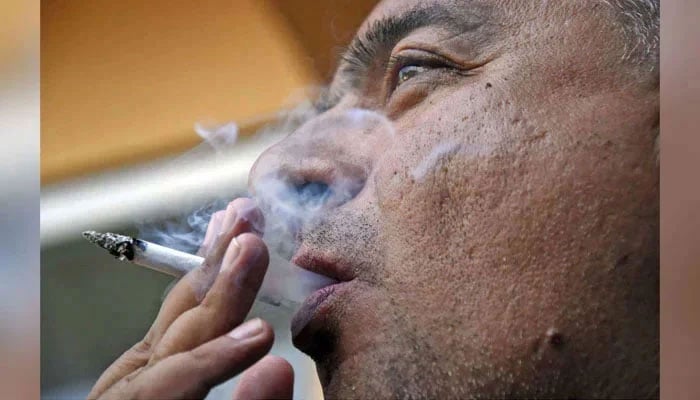
As a general physician practising in Pakistan, I frequently witness the devastating impact of smoking on my patients’ health. From respiratory diseases to heart conditions, smoking is often at the root of these chronic ailments.
Despite knowing the risks, many smokers struggle to quit due to the addictive nature of nicotine and the behavioural dependency developed over time. After decades of public health campaigns and strict regulations, smoking rates in Pakistan, like in most parts of the world, remain high. In fact, smoking kills an estimated 160,000 Pakistanis annually and contributes significantly to economic losses.
Take the European Union (EU) as a case in point. According to the 'Missing the Target' report, authored by Dr Delon Human, the EU’s progress toward its smoke-free goal has been far slower than anticipated. Since 2020, smoking rates in the EU have decreased by only one per cent, as revealed by Special Eurobarometer 539, and it seems the bloc will miss its target by several years.
However, Sweden stands out as the only country in the EU to have reached smoke-free status ahead of schedule. By embracing tobacco harm reduction strategies, Sweden took a different approach. Instead of solely demonising smoking, the country offered better alternatives like oral nicotine pouches, vapes (e-cigarettes), and heated tobacco products as part of its public health strategy. Data from the Swedish Public Health Agency shows that this pragmatic approach has led to a dramatic decline in smoking rates, with the national rate now hovering around just 4.5 per cent. Sweden’s success offers a compelling example of how harm reduction can effectively tackle smoking, and this model should inspire other nations to reconsider their strategies.
After engaging with experts and reviewing the available research, I have concluded that current approaches are not achieving the desired outcomes. I am now convinced that harm reduction offers the most pragmatic and effective solution to the smoking epidemic. As a physician, I advocate for smoke-free alternatives for patients who struggle to quit. While complete cessation remains the ultimate goal, not all smokers will be able to break free from the habit. For them, harm-reduction products offer a better option than traditional cigarettes. These products deliver nicotine without the toxic tar and harmful chemicals found in combustible cigarettes, significantly reducing health risks. It is important to note that nicotine itself is not the primary cause of smoking-related diseases – most harm comes from the combustion process and exposure to toxic byproducts.
Unfortunately, the European Union has been slow to embrace these alternatives. Countries like Ireland, Denmark, and the Netherlands have imposed restrictive regulations on vaping and oral nicotine pouches, focusing primarily on discouraging nicotine use through taxation and legislation. However, as highlighted in the Missing the Target report, these measures have failed to effectively reduce smoking rates. Over-regulation in places like Estonia has even caused a 40 per cent increase in smoking rates, as smokers return to combustible cigarettes. This underscores a crucial point: over-regulation can be counterproductive.
Sweden’s success story demonstrates the effectiveness of harm reduction strategies. By making smoke-free alternatives widely available, affordable, and accepted, Sweden has achieved a significant reduction in smoking rates – an outcome that could be replicated elsewhere, including in Pakistan.
Given Pakistan’s high smoking prevalence and the strain smoking-related diseases places on public health systems, we have a unique opportunity to adopt a more inclusive and practical approach to tobacco control. By integrating harm-reduction products into public health strategies, as Sweden did, we can make substantial progress toward reducing smoking rates in Pakistan.
As healthcare professionals, we must provide the best possible tools for our patients’ well-being. Pakistan has to take a more pragmatic approach. I urge my colleagues, policymakers, and healthcare organisations in Pakistan to seriously consider integrating harm reduction strategies into tobacco control efforts. This is not just about reducing smoking rates but about saving lives.
The writer is a medical professional with extensive clinical experience at Jinnah Hospital and South City Hospital in Karachi. She is currently at East Surrey Hospital in the UK.


