
OCAC calls for inclusive approach for POL products deregulation
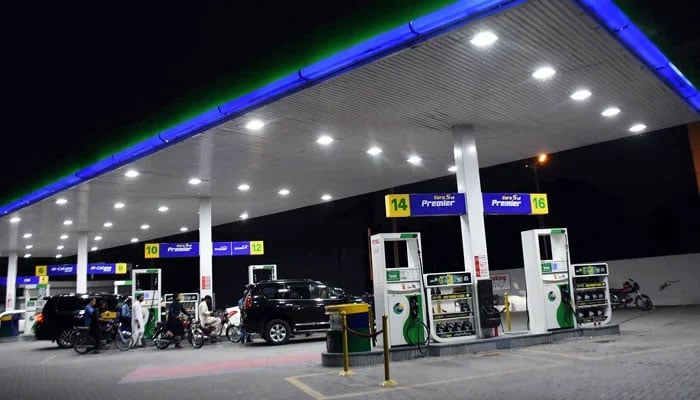
KARACHI: Pakistan’s oil sector has urged the government to include private sector refineries and oil marketing companies (OMCs) in the consultation process to ensure the formulation of a balanced and practical deregulation policy.
In a letter to the Ministry of Energy, the Oil Companies Advisory Council (OCAC) mentioned that it had previously requested the inclusion of major private sector stakeholders in the working group established to develop a roadmap for the deregulation of the downstream oil sector in Pakistan.
The government is reportedly working on a policy to deregulate petroleum product prices in the near future. However, the OCAC expressed concern that private-sector refineries and OMCs, which are key players in the downstream oil industry, have not yet been included in the consultation process.
“It is critical to note that the industry is already grappling with existential challenges, including the exemption of sales tax on petroleum products, the smuggling of petroleum products, delays in revising OMC margins, and other long-standing issues,” the OCAC highlighted.
The council strongly urged the government to involve private sector refineries and OMCs in the consultation process to develop a balanced and workable deregulation policy. “Any unilateral decision on such a critical matter, made in haste, will have severe ramifications for the oil industry and could exacerbate its existing challenges,” the OCAC cautioned.
Adil Khattak, chairperson of the OCAC, told The News that refineries and OMCs are already facing an existential crisis due to the unwarranted exemption of petroleum products from sales tax under the Finance Act 2024-25. This exemption, he said, has rendered normal operations unsustainable and jeopardized the implementation of the Brownfield Refining Upgradation Policy.
“The sales tax issue remains unresolved despite numerous meetings and directives from the Prime Minister and the Special Investment Facilitation Council (SIFC). Addressing the revision of petroleum products’ pricing mechanism at this stage is ill-timed. Moreover, excluding private sector stakeholders from the consultation process risks creating complications similar to those experienced during the formulation and implementation of the Brownfield Refining Upgradation Policy over the past five years,” Khattak explained.
He further noted that while the prime minister and finance minister have repeatedly talked about the importance of including the private sector in consultations, officials in the Petroleum Division appear to prefer working exclusively with public sector companies. “This approach could undermine efforts to create a fair and effective policy framework,” he added.


