
Ensuring downstream flow at Kotri key to reviving Indus Delta, says Wapda
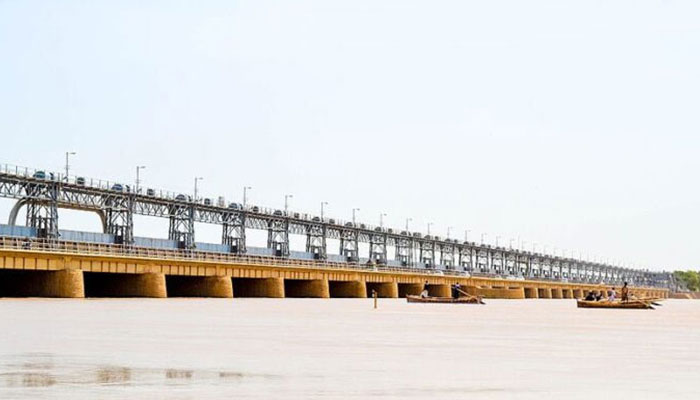
KARACHI: The Water and Power Development Authority (Wapda) has said that ensuring perennial flows downstream of Kotri Barrage and into the delta creeks is essential to reviving and protecting the Indus Delta.
In response to a recent study report published in The News, a Wapda spokesperson highlighted that Tarbela Dam provides billions of dollars in irrigation benefits to Pakistan’s agriculture sector, which significantly strengthens the country’s economy. Its flood mitigation capabilities add further value, especially in a country prone to seasonal flooding.
Constructed in 1974, Tarbela Dam is a key multi-purpose infrastructure project designed to regulate the Indus, support the Indus Basin irrigation system, generate low-cost green electricity, and mitigate floods. Since becoming operational, Tarbela has released and augmented over 400 million acre-feet (MAF) of water intoPakistan’s irrigation system, particularly during the Rabi season. This water supply supports more than 47 million acres of cultivated land, contributing to national food security.
The spokesperson cited a recent study by experts from the World Bank and Asian Development Bank, which estimates that the annual benefits of using just 1 MAF of stored water amount to approximately $1 billion, derived from both irrigation and hydropower generation.
In terms of power generation, Tarbela produces over 17 billion units of electricity annually, offering affordable, clean, and green energy while yielding substantial foreign exchange savings compared to fossil fuel-based power. Electricity from Tarbela costs Rs2.91 per unit, the spokesperson added.
Criticism that solely addresses the environmental downsides of water storage projects like Tarbela overlooks their broader benefits, the spokesperson noted. The average annual sediment yield of the Indus at Masan gauging station is approximately 136 million short tonnes. While sediment reaching the Indus Delta is reduced partly due to storage at Tarbela, the primary cause is water and sediment diversion at various upstream barrages, which have sustained human life and agricultural expansion for over 150 years.
The spokesperson also added that projects like Tarbela offer benefits beyond irrigated agriculture, power generation and flood mitigation. They are critical to Pakistan’sfood and energy security, flood control and climate resilience. Misrepresenting the financial and environmental impacts of these projects can diminish their crucial role in sustaining the country’s long-term development, the official said.
Per the spokesperson: “In 2010 and 2022, without Tarbela, the entire infrastructure would have been washed away, and the extent of flood damage would have increased manifold.”







-
 Sarah Ferguson Is Sad Granny As Scandal ‘clouds All Her Life’
 -
 Selena Gomez Fed Up With Justin Bieber's Digs As She Starts New Chapter With Benny Blanco
 -
 Xbox Game Pass Starter Joins Meta’s Horizon+ As VR Gaming Competition Heats-up
 -
 Tom Hiddleston Reveals One Marvel Show To Watch Before 'Avengers: Doomsday'
 -
 Prince Harry, Meghan Markle Branded ‘politicians’ With Sheer Hypocrisy
 -
 US Court Halts Trump Administration Move To Revoke Immigrant Work Permits
 -
 Jacob Elordi Gets Honest About Spending 'Euphoria' Final Moments In Coffin With Live Snake
 -
 MrBeast Announces He Is Married To Thea Booysen
 -
 Google Unveils Cheaper Gemini Models As AI Competition Intensifies
 -
 Why Christopher Nolan Avoided Yelling 'cut' On 'The Odyssey' Set
 -
 'RoboCop' Set To Fight Crime Again But Not On The Big Screen
 -
 Lebanese President Wins Trump's Heart With Compliment In First-ever Meeting
 -
 Harry Styles Announces Disappointing News About Brazil Show After Mystery 'illness'
 -
 Gemini AI Model Delays Put Alphabet Under Pressure Ahead Of Q2 Earnings
 -
 King Charles And Queen Camilla Plan To Visit Spain
 -
 King 'drops Royal Protocol' In Warm Meeting With Lamine Yamal