
Floods destroy 1.1m tonnes of rice in Bangladesh
Agriculture ministry said this year’s flooding has resulted in a substantial loss of rice production
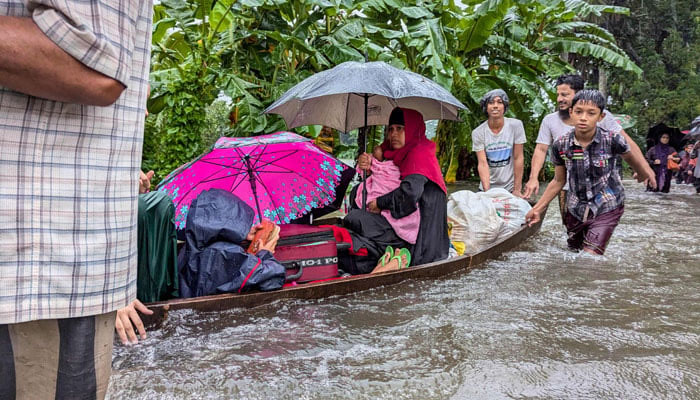
DHAKA: Floods in Bangladesh have destroyed an estimated 1.1 million metric tons of rice, according to data from the agriculture ministry, prompting the country to ramp up imports of the staple grain amid soaring food prices.
Floods brought by heavy monsoon rains and torrential upstream runoff struck the country in two major waves in August and October, claiming at least 75 lives and affecting millions, particularly in the eastern and northern regions where crop damage has been the most severe.
The agriculture ministry said this year’s flooding has resulted in a substantial loss of rice production. In response, the government is moving quickly to import 500,000 tons of rice and is expected to permit private sector imports soon, a food ministry official said.
The interim government, which took power in August after deadly protests forced former Prime Minister Sheikh Hasina to flee to India, has been struggling to stabilise food prices that have surged nearly 20 percent in recent months.
Higher imports by Bangladesh could lift shipments from neighbouring India, the top global rice exporter, which last month cut the duty on parboiled rice exports to 10 percent.
The floods have also severely impacted other agricultural products, including more than 200,000 tons of vegetables. Total nationwide agricultural losses due to the flooding are estimated at around 45 billion taka ($380 million).
Bangladesh, the world’s third-largest rice producer, typically produces nearly 40 million tons of rice a year to feed its population of 170 million. However, natural disasters often disrupt production and lead to increased dependency on imports.
The floods this year have underscored Bangladesh’s vulnerability to climate change. A 2015 World Bank Institute analysis estimated 3.5 million people in Bangladesh are at risk of annual river flooding, a risk scientists say is worsening due to global climate change.
“To ensure food security in the face of increasing climate challenges, it is essential to develop more flood- and drought-tolerant crop varieties, along with short-duration varieties,” said Khandakar Mohammad Iftekharuddaula, chief scientific officer at the Bangladesh Rice Research Institute.
He said investing in agricultural research is crucial for developing these resilient crops. “By focusing on flood- and drought-resistant traits, we can help farmers adapt to changing weather patterns and stabilise yields even in difficult conditions.”







-
 Why Attorney Says Justin Baldoni 'not Off The Hook' Despite Court Ruling? Report
 -
 'Abuses' Shouted At Andrew Mountbatten-Windsor As Protesters Breach Security
 -
 Jenna Dewan Reveals Mindset She Follows When Life Gets 'nuts'
 -
 Erika Kirk Dating Claims Surface As She Reclaims Charlie Kirk's Legacy
 -
 Karoline Leavitt Joins Erika Kirk At Washington Event
 -
 Lizzo Reveals Major Update About Her Sobriety Journey
 -
 Princess Beatrice’s Husband Edo ‘questioning Marriage’: ‘His Standing & Status Is Impacted’
 -
 Petition To Strip Blake Lively Of 'It Ends With Us' PGA Credit Gains Massive Support
 -
 New Development In Blake Lively Lawsuit After Judge Dismisses Major Claims
 -
 Blake Lively, Taylor Swift Texts Resurface After Court Ruling
 -
 Prince Harry’s Behavior Towards Queen Elizabeth Gets Exposed: ‘He Drove Her To Paranoia’
 -
 Blake Lively, Justin Baldoni's Legal Case Receives Latest Update
 -
 Kylie Jenner Says Goodbye To Her Halloween Era: 'I've Retired It'
 -
 Mel B Reveals Why Spice Girls Documentary May Never Happen
 -
 Maggie Gyllenhaal Recalls Emotional Impact Of Seeing Husband With Other Woman
 -
 Scarlett Johansson Shares Wild First Concert Story