
Afghan refugees
Now that Doha talks are going on, there is hope that situation in Afghanistan will become more conducive
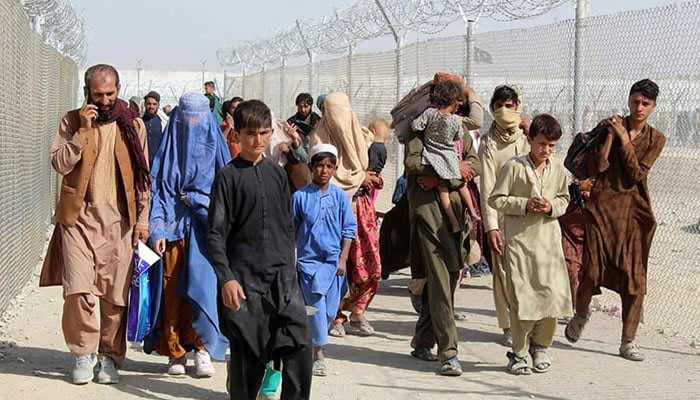
The federal cabinet has approved a one-year extension of ‘Proof of Registration’ (PoR) cards for 1.45 million Afghan refugees, legally residing in the country and whose PoR cards expired last month. This will no doubt be seen as a good decision after questions were initially raised about the haphazard way the repatriation process was initiated by the caretaker government last year when it announced that it intended to repatriate 1.1 million foreign nationals who were residing in Pakistan without legal authorization. Migrants without proper paperwork were given less than a month to pack up their lives and leave. At the time, civil society and human rights organizations had pointed out that there are several types of Afghan refugees in the country. There is also the problem that some Afghans were actually born here in Pakistan, but are without documentation.
Now that the Doha talks are going on, there is some hope that the situation in Afghanistan will eventually become more conducive for people to return. Pakistan’s policy of repatriation has been justified due to its security concerns and the increasing cross-border terrorism. The concern on the part of the civil society has been more about how the migrants were being repatriated, many also pointing out that no one leaves home unless they have to. From the Soviet invasion to the 9/11 attacks and consequent invasion of their country to the fall of Kabul in 2021, Afghans have had to leave their homes because of war. Pakistan should follow international law and figure out how to tackle the matter of those born here. Human rights organizations and others have taken the same view on immigrants in Europe and other Western countries, like Syrian refugees.
Now that an elected government is in place, it should work with civil society and all stakeholders to find a proper solution to this issue. There are also about 44,000 Afghans who have been approved for relocation to Western countries after the fall of Kabul but who are still stuck in Pakistan, and 25,000 of them are those who were approved for relocation to the US. Western governments should expedite their relocation – especially given that the whole Afghan situation is a direct result of Western interventions in the country. The Afghan Taliban regime also needs to work on this issue and realize that their own citizens are suffering and they should make things easier for them to move back by relenting on issues like girls education and basic freedoms. They should be able to provide at least the bare minimum to their own citizens who are too scared, and rightly so, to move back to a life of hunger and difficulty, not to say what repercussions they may face by the regime in power.


