
Currency in circulation hits record high in January-June
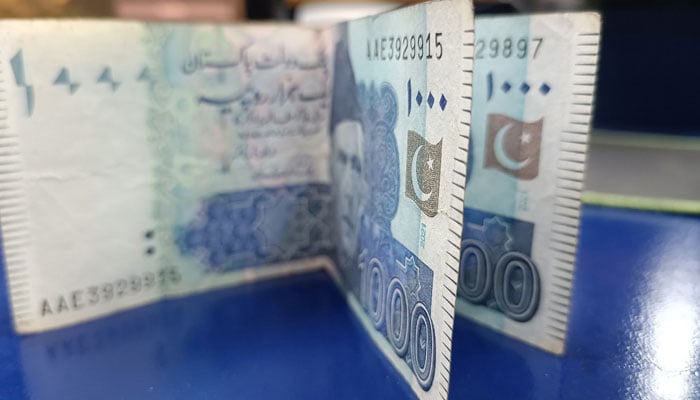
KARACHI: The total amount of money circulating in Pakistan reached an all-time high in the first half of 2024, indicating the nation’s heavy reliance on cash and impeding government efforts to document the informal economy.
Topline Securities reported on Tuesday, citing data from the State Bank of Pakistan, that during the last six months, from January to June 21, the amount of currency in circulation (CIC) increased 11.2 per cent to Rs9.4 trillion.
“Of this, 7.4 percent increase is in the month of June 2024 alone, until 21st,” it said.This increase in CIC is mostly consistent with the 4-8 percent June pattern that has typically been observed, it noted.
“This increase in CIC is also due to Eidul Azha. We believe a portion of this increase is likely to be reversed in the month of July, based on historical analysis,” it added.Between January and June 2024, broad money (M2) increased by 6.7 per cent to Rs35.1 trillion; June alone saw a 1.7 per cent increase in this amount. This means that as of June 21, CIC as a percentage of M2 is 26.7 per cent, up from 25.3 per cent as of May 31, 2024.
Eidul Azha’s expenditure is largely responsible for the extra currency’s availability in the economy. According to the Pakistan Tanners Association, 6.8 million animalswere sacrificed during Eid. These animals were estimated to be worth more than Rs500 billion in total. This year’s Eid season saw a rise in CIC even though some digital wallet providers facilitated Raast QR digital payments in cattle markets across several cities to aid people and dealers during the sale and purchase of sacrificial animals.
A notable characteristic of the Pakistani economy is the large proportion of CIC to the total money supply. The SBP is working to replace the cash economy as much as possible with the digital economy. High CIC makes it harder to implement documentation and monetary policy.
Analysts predict that documenting the informal economy would lower CIC and open the door to beneficial spillovers like higher tax income for the federal and local governments because the informal economy primarily runs on a cash basis.
CIC has experienced ups and downs; at times, it has increased and reduced. The primary reason for the decline in CIC was the attractive interest rates banks provide on savings accounts amid record-high interest rates.
The drop in CIC was brought on by an increase in deposits in the banking sector.The deposits with banks climbed by 5.1 per cent to Rs25.598 trillion between January and June of this year.


