
PIDE unveils insights into socio-cultural landscape of Pakistanis
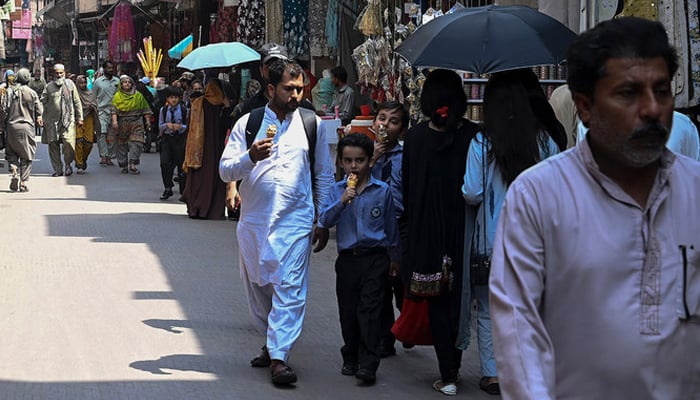
Islamabad: The Pakistan Institute of Development Economics (PIDE) announces the release of ground-breaking research encapsulating the historical, socio-cultural, and behavioural aspects of the Pakistani population.
This extensive study, titled ‘BASICS,’ compiles diverse research notes that delve into the beliefs, attitudes, social capital, institutions, community, and self of Pakistanis, said a press release issued here. The results, derived from a nationwide survey, provide a detailed focus on the representative trends and patterns across the six thematic areas that BASICS research explores.
To unravel the reasons behind these trends, the study conducted qualitative research through focus group discussions and episodic interviews. This in-depth analysis took place in key regions, including Upper and Southern Punjab, Islamabad Capital Territory, Rawalpindi, Bahawalpur, and Multan. A total of 16 focus group discussions and multiple interviews engaged participants from universities, including students, academic and administrative staff.
Additionally, entrepreneurs, religious minorities, and transgender communities were interviewed for a comprehensive understanding. The study introduces three interrelated themes Identity, Inclusion, and Social Capital along with contemporaneous sub-themes defined by gender, profession, political affiliation, ethnicity, religious ethos, and sexual orientation.
Authored by Dr. Durre Nayab, Pro Vice Chancellor, PIDE, and Dr. Fahd Zulfiqar, Assistant Professor, PIDE, the qualitative report initiates with a critical examination of identity. Addressing the layered, intersectional, and multi-vocal nature of identities for Pakistanis, the research taxonomizes identity into Individual (self, collective, contrived, gendered, and performative), Social (shared identities defined by ethnicity, religiosity, and majority-minority divides), and National (nationality and a sense of longing and belonging to the homeland).
The research underscores that identities are predominantly gendered for women, nationalistic and ethicized for men, communal for religious, and marginalized for sexual minorities.





-
 Prince Harry Let Slip Real Feelings Amid 'incredibly Personal' Speech
 -
 Sarah Michelle Gellar Shares Unexpected Key To Marriage With Freddie Prinze Jr.
 -
 Los Angeles Firefighter Held After Woman Found Dead In Home
 -
 Yerin Ha Reflects On 'transformative' Experience Of Starring In 'Bridgerton 4'
 -
 Travis Scott Shares Biggest Lesson Of Fatherhood
 -
 How Are 2026 Oscar Nominations Chosen?
 -
 Oscars 2026: 'Sinners' Makes History With Record 16 Nominations
 -
 Chris Pratt Nearly Entered Hollywood Under A Very Different Name
 -
 Nicki Minaj Determined To Not Walk 'anything Back' As She Zeros In On 'real Power'
 -
 Taylor Swift Named To Songwriters Hall Of Fame
 -
 Ellen DeGeneres Sparks Backlash With Minneapolis Videos
 -
 ‘90 Day Fiancé’ Star Accused Of Stealing Thousands From Former Employer
 -
 Prince William Visits Isambard-AI Supercomputer Capable Of Doing 80 Years Of Human Work In One Second
 -
 Yerin Ha Recalls Chemistry Read With Luke Thompson Ahead Of 'Bridgerton' Season 4
 -
 Prince Harry Coached Brooklyn Beckham Before Explosive On David, Victoria
 -
 Princess Eugenie Deeply Disappointed In Andrew, Sarah Ferguson