
Weekly inflation down 0.30pc, though core rate inches higher
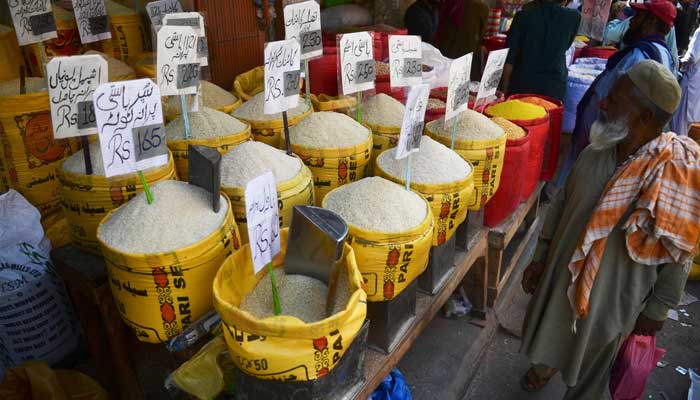
KARACHI: Weekly inflation declined 0.30 percent and increased 41.07 percent year-on-year during the week ended March 2, with masses fearing that the rise in food prices would lead to massive food insecurity.
Pakistan Bureau of Statistics (PBS) data issued on Friday attributed the slight drop in the sensitive price indicator (SPI) to the decrease in the prices of onions (13.24 percent), eggs (6.11 percent), garlic (4.24 percent), chicken (2.00 percent), LPG (1.84 percent), petrol (1.80 percent), tomatoes (0.59 percent), pulse gram (0.38 percent) and potatoes (0.33 percent).
On the other hand, a major increase was observed in the prices of bananas (7.34 percent), long cloth (3.44 percent), energy saver (3.33 percent), vegetable ghee 1kg (2.48 percent), gur (2.03 percent), cooked daal (1.87 percent), tea (1.79 percent), matchbox (1.66 percent), lawn printed (1.52 percent), cooking oil 5 litre (1.45 percent) and sugar (1.07 percent).
For the week under review, SPI was recorded at 240.57 points against 241.29 points registered last week and 170.53 points recorded during the week ended March 3, 2022.
Fahad Rauf, head of research at Ismail Iqbal Securities in his weekly note said that SPI decreased mainly due to decrease in onion and petrol prices. Onion prices are down by 42 percent from the recent high of Rs247/kg witnessed in February 2023. The government cut petrol prices by Rs5/litre to pass on the impact of decline in international oil prices. “Overall, we expect inflationary pressures to continue as PKR has further lost ground against dollar,” he noted.
Moreover, the impact of recent tax measures is yet to reflect. “Food prices are also expected to increase in Ramadan. We expect March 2023 CPI (consumer price index) to come at 34-35 percent on YoY basis,” he added.
Although the weekly number declined this week, annualised inflation is above 40 percent. It is squeezing already meagre incomes of Pakistanis, who are struggling to meet even daily food expenses. Joblessness is adding to their woes.
Massive poverty would be the outcome of the recent decisions taken by the government to please the International Monetary Fund (IMF) for a meagre $1.1 billion bailout tranche, according to analysts. For the groups spending up to Rs17,732; Rs17,733-22,888; Rs22,889-29,517; Rs29,518-44,175; and above Rs44,175; YoY SPI increased 37.53, 39.56, 40.59, 41.52, and 42.42 percent respectively.
The PBS data attributed the YoY rise in SPI to jump in the prices of onions (311.17 percent), cigarettes (165.86 percent), gas charges for Q1 (108.38 percent), diesel (93.82 percent), petrol (77.89 percent), eggs (77.83 percent), rice irri-6/9 (76.96 percent), broken basmati rice (75.55 percent), pulse moong (73.30 percent), bananas (72.66 percent), chicken (64.70 percent) and tea (64.53 percent).


