Pakistan currently faces an energy paradox. Despite having an installed power generation capacity of over 46,600MW, more than enough to meet national electricity demand, the sector is plagued by structural and technical inefficiencies. Actual average power generation hovers around 14,500MW, as reflected in the 127,159GWh produced during FY2024–25, a figure nearly identical to the previous year. This vast underutilisation -- just over a quarter of installed capacity -- highlights serious deficiencies in both generation and transmission systems.
POWER GENERATION
Pakistan currently faces an energy paradox. Despite having an installed power generation capacity of over 46,600MW, more than enough to meet national electricity demand, the sector is plagued by structural and technical inefficiencies. Actual average power generation hovers around 14,500MW, as reflected in the 127,159GWh produced during FY2024–25, a figure nearly identical to the previous year. This vast underutilisation -- just over a quarter of installed capacity -- highlights serious deficiencies in both generation and transmission systems.
This underperformance is a key factor behind persistent electricity shortages and widespread loadshedding. In June and July 2025, various regions across the country experienced recurring power outages. Peak electricity demand during this period reached approximately 30,000MW, resulting in a shortfall of around 5,000 to 6,000MW. However, official figures reported a peak demand of only 20,223MW while acknowledging a supply-demand gap of 4,786MW. Both scheduled and unplanned outages were reported in urban and rural areas, particularly in Sindh and southern Punjab, where consumers faced seven to ten hours of loadshedding; in some localities, outages lasted up to twelve hours. Power distribution companies continue to deny these prolonged disruptions.
A significant contributor to the current crisis is the sharp decline in reliable hydropower generation, especially during the summer months when hydroelectric power typically plays a major role in the energy mix. Against an installed hydropower capacity of 10,852MW, actual production was only 29,167GWh -- equivalent to about 3,330 MW -- resulting in a capacity utilisation rate of roughly 30 per cent.
One of the biggest setbacks has been the prolonged shutdown of the Neelum–Jhelum Hydropower Project (NJHPP), a 969MW underground facility near Muzaffarabad. Commissioned in 2018, NJHPP is among the country’s most advanced hydropower plants, with high generation potential due to its run-of-river design. However, the plant has remained offline since mid-2023 due to severe structural damage in its tailrace tunnel -- an essential conduit for discharging water downstream after it passes through the turbines. Technical investigations revealed a risk of tunnel collapse and internal erosion. Repairs are expected to take at least two more years, sidelining a major source of clean energy from the national grid.
The absence of NJHPP has been compounded by partial outages at other major hydroelectric stations, notably Mangla and Warsak. The Mangla hydropower station, recently upgraded from 1,000MW to 1,120MW, has been undergoing phased rehabilitation due to turbine ageing, siltation and transmission interface issues. Similarly, the 243MW Warsak hydropower station -- over six decades old -- is currently in its second major rehabilitation phase. These long-overdue upgrades, while essential for future reliability, have significantly curtailed output in the short term. Though these plants are crucial to the long-term stability of the power sector, delayed completion of their rehabilitation means full restoration of capacity remains out of reach for now.
Ironically, while actual power generation is insufficient, Pakistan has surplus installed capacity. A significant portion of this comprises inefficient or obsolete thermal plants, many of which are located far from major demand centres. This misalignment -- between plant location, technology and demand patterns -- is a fundamental structural failure that contributes to inefficient dispatch and unnecessary transmission stress.
With only about 5.0 per cent of Pakistan’s total power generation coming from renewables such as wind, solar and bagasse, it is clear that even the available installed capacity share is not fully utilised due to technical constraints
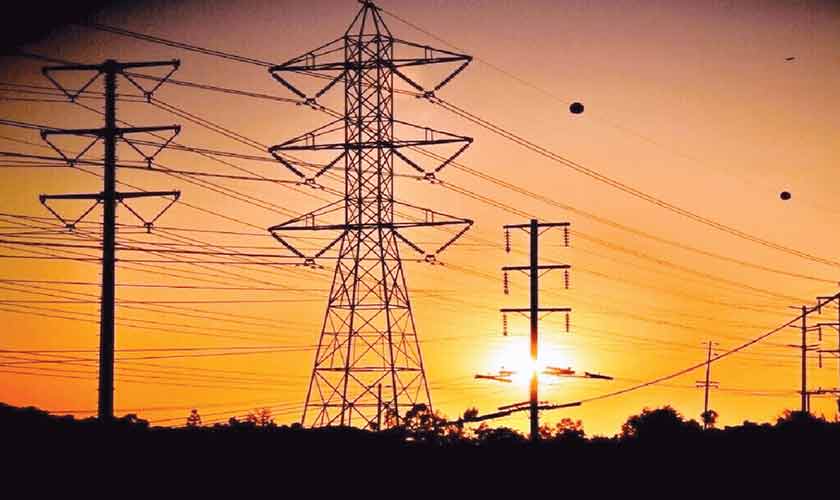
Beyond generation, the national transmission system is a persistent bottleneck. The national grid is outdated, inefficient, and lacks the capacity to evacuate and dispatch the full load of installed generation. During peak summer periods, when demand surges, the system often fails due to congestion or technical limitations, forcing curtailment even when surplus generation is technically available. Despite some expansion in recent years, the transmission network still cannot reliably handle power evacuation from all generation sources.
The National Grid Company of Pakistan Ltd (NGC), formerly the National Transmission and Despatch Company (NTDC), is responsible for the high-voltage transmission network, but its infrastructure remains underdeveloped. Grid congestion, particularly on northbound transmission corridors from southern thermal and renewable plants, forces system operators to reduce or restrict plant output, even when fuel is available and demand is high. Power plants in Sindh and Balochistan, for instance, are frequently underutilised simply because the grid cannot transport their output to load-centres in Punjab and Khyber Pakhtunkhwa.
This transmission constraint becomes even more pronounced when dealing with renewable energy integration. While wind and solar capacity has expanded, especially in the Jhimpir-Gharo corridor and parts of southern Punjab, these sources suffer from frequent curtailment. The current grid lacks the flexibility, voltage regulation and balancing mechanisms required to absorb variable renewable energy. With only about 5.0 per cent of Pakistan’s total power generation coming from renewables such as wind, solar and bagasse, it is clear that even the available installed capacity share is not fully utilised due to technical constraints. Unlike dispatch-able thermal or hydro power, wind and solar require responsive grid infrastructure, energy storage and fast-ramping backup systems -- none of which are adequately developed in Pakistan.
Compounding these problems is the limited adoption of modern grid automation and management systems. Grid control centres rely on outdated technology with minimal capability for real-time adjustments, predictive maintenance, or load forecasting. The lack of automation limits the ability of operators to isolate faults, redistribute power or prevent system-wide outages. This fragility results in frequent blackouts and voltage fluctuations, even in major urban areas.
An often overlooked but critical issue is the technical inefficiency of the thermal generation fleet. Many public-sector plants are operating beyond their design life, with poor heat rates and frequent breakdowns. These aging plants consume more fuel per unit of electricity, and their inability to ramp up output or down limits their usefulness in a modern grid. Their continued operation burdens the system with low availability and high maintenance downtime, further widening the gap between installed and effective capacity.
Fuel supply logistics also introduce further technical constraints. LNG-based plants frequently operate below capacity due to limitations in regasification terminals and pipeline networks. Plants relying on domestic gas face challenges from declining field pressures and aging pipeline infrastructure. Similarly, coal-fired plants suffer from irregular supply caused by transportation bottlenecks or weather-related disruptions. These logistical challenges, though not financial in origin, directly impact plant performance and operational reliability.
Taken together, these operational and technical deficiencies have created a power system where installed capacity cannot be translated into reliable, usable electricity. The consequences are evident in the form of chronic loadshedding, which continues to affect households, businesses and industries alike. The problem is not the absence of generation capacity, but its persistent unavailability or underutilisation due to weak infrastructure, aging systems and poor coordination.
Looking ahead, the situation is unlikely to improve without urgent technical intervention. Priorities must include the completion of ongoing rehabilitation projects at major hydropower plants; significant investment in transmission network expansion and automation; deployment of smart grid technologies; development of energy storage and grid-balancing mechanisms; and phased decommissioning or retrofitting of obsolete thermal plants. Without sustained technical oversight and execution, Pakistan will continue to suffer the irony of blackouts amid a surplus of installed generation capacity.
The writer is a retired chairman of the State Engineering Corporation.