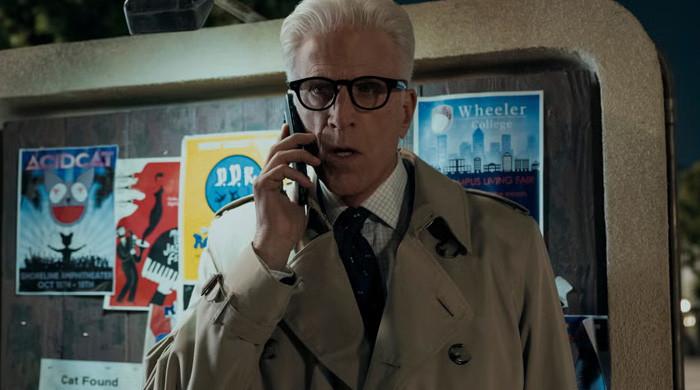
From fronting a rock band like Call to exploring complex characters on screen, actor, musician and producer Junaid Khan continues to evolve as one of Pakistan’s most versatile figures in the creative industry.
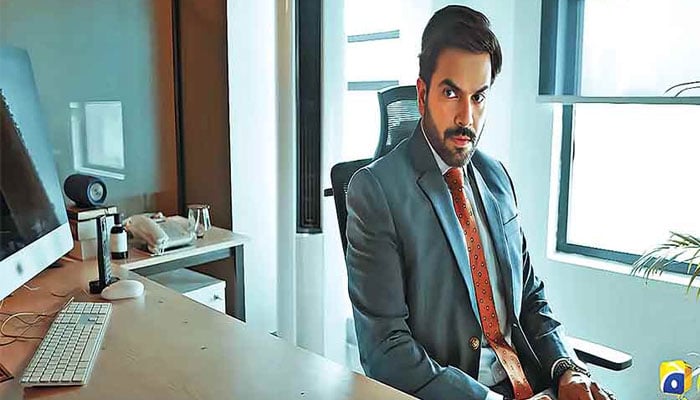
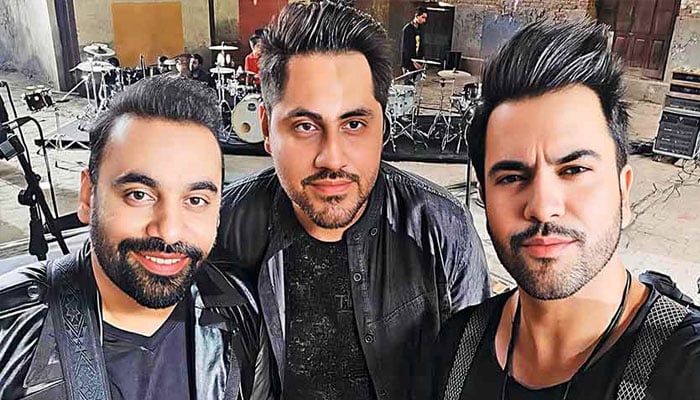
From fronting one of Pakistan’s most iconic rock bands to emerging as a compelling actor and now producer, Junaid Khan has spent over two decades in the entertainment industry, evolving with quiet determination. His journey began with Call, the band that defined a generation of rock listeners in the early 2000s, where his distinct voice and fiery energy turned songs like ‘Sab Bhula Kay’ and ‘Nishaan’ into cultural milestones.
Since then, Junaid has built a steady acting career that gained real momentum around 2010. In 2022, he founded Jeem Films, a production house that’s driven by his artistic vision.
In conversation with Junaid Khan
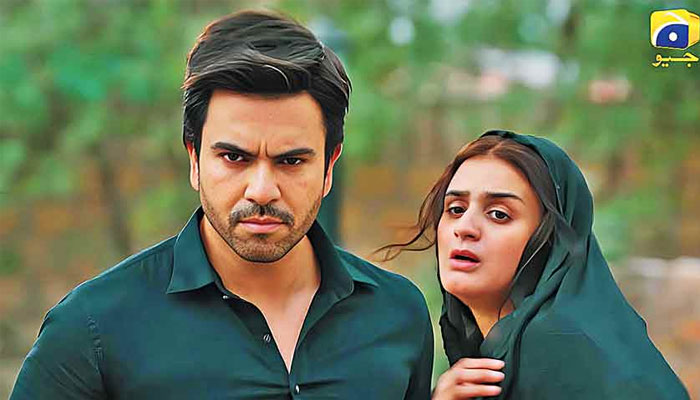
In recent times, he’s tackled gritty, issue-driven narratives as an actor, most notably in Case No. 9, his latest television project for Geo TV.
Junaid plays Rohit, a conflicted eyewitness caught in a moral and legal storm. The series tackles sexual assault and the systemic failures that victims face. The project, he says, reflects his belief that storytelling must go beyond entertainment to provoke thought and empathy.
In this exclusive conversation with Instep, Junaid opens up about the challenges of portraying Rohit, the responsibility that comes with sensitive storytelling and the evolving landscape of Pakistani entertainment.
Instep: What drew you to a project as intense as Case No. 9 and a character like Rohit?
Junaid Khan (JK): The gravity of the script is what drew me in. This isn’t just a story; it’s a reflection of our society and how the system can fail victims. The responsibility was immense; we had to treat the subject with honesty and sensitivity without sensationalising it. The focus always had to stay on the survivor’s fight for justice.
In conversation with Junaid Khan

Instep: How would you describe Rohit’s moral position in this story?
JK: Rohit is a crucial character because he’s the only eyewitness. He supports Kamran not only because they’re friends but because he feels indebted to him. Morally, he knows Sehar is the victim and he even offers her silent support. But he isn’t willing to go against Kamran in court. His reasons and the depth of his conflict are revealed as the story unfolds.
Instep: Faysal Qureshi plays the manipulative antagonist Kamran. How did his performance influence your own?
JK: Working with Faysal was both a challenge and a learning experience. His portrayal of Kamran, powerful, toxic and unpredictable, amplified Rohit’s internal struggle. I had to balance fear, disgust and a sense of obligation in every scene with him. That tension made Rohit’s silence even more layered and painful.
In conversation with Junaid Khan
Instep: What kind of preparation did you undertake for this role?
JK: My preparation always begins with long discussions with the director and writer. For Case No. 9, I spent hours with Syed Wajahat Hussain (SWH) understanding the emotional weight of the story and its social message. I also researched the psychological and legal challenges that victims face in real life. SWH makes the process easy. He’s deeply involved in every detail, from tone to wardrobe, and he knows exactly where each character needs to go.
Shahzeb Khanzada, who has experience as an investigative journalist, wrote the script and handled the subject with real insight and nuance. It’s rare to find a team so aligned in purpose. Of course, credit goes to the director for steering the ship.
Instep: Was there a particular scene or arc that felt especially demanding or rewarding?
JK: The first scene where Rohit walks into Kamran’s house and witnesses what has happened to Sehar stands out. He helps her, listens to Kamran’s version and is immediately torn between truth and loyalty. That confrontation between friendship and morality became the foundation of the drama.
In conversation with Junaid Khan
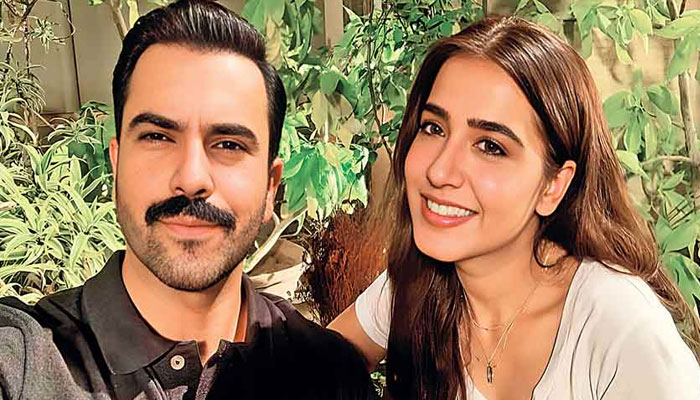
Instep: What was it like working alongside Saba Qamar and Faysal Qureshi on this project?
JK: Off-screen, Faysal and I are close friends; we even play cricket together, but this was the first time I had to face him as an antagonist. He’s an effortless actor who makes his co-stars comfortable, which helps bring out honest performances. Saba, on the other hand, completely disappears into her roles. Watching her perform is mesmerising; she feels every emotion deeply and that intensity elevates the entire scene. Their commitment pushed me to give my best.
Instep: How would you describe the creative collaboration with director Syed Wajahat Hussain and writer Shahzeb Khanzada, who is an accomplished journalist?
JK: It was a perfect blend of cinematic vision and grounded realism. SWH brings total control and emotional clarity to every scene, while Shahzeb Khanzada’s background in investigative journalism gives the writing depth and credibility. Together, they created something that feels not just like a drama but a social statement.
Instep: What message do you hope Case No. 9 delivers to its viewers and what impact do you hope it has on audiences across the board?
JK: Case No. 9 highlights how justice is rarely blind; it is shaped by privilege, wealth and influence. The story forces us to confront how easily victims are silenced when power and social status come into play. I hope it helps destigmatise conversations around abuse and trauma, replacing judgment with understanding. It’s a call for empathy and moral courage, for people to speak up and recognise that silence is a form of complicity. They should support victims while challenging injustice wherever they see it.
In conversation with Junaid Khan
Instep: Why do you believe it’s important for actors to take on issue-based projects like Case No. 9?
JK: As an actor, I believe in using my craft to highlight real issues. Playing Rohit reminded me of the emotional and systemic challenges within our justice system, not only for victims but for anyone caught in the crossfire. As actors, we have influence and it’s our duty to use it for awareness and dialogue. Art isn’t just entertainment, it’s a mirror and a conversation starter.
Instep: How do you view the current landscape of Pakistani television drama industry and how can it be improved?
JK: Pakistani dramas have come a long way. Our dramas are performing strongly, reaching audiences in the US, Canada, Europe and the Middle East. But there’s always room for improvement. We need more creative writers who can bring fresh ideas and break away from repetitive storytelling. Innovation is key if we want our content to keep evolving.
Instep: What genres or themes would you like to explore next?
JK: I’d love to do more thrillers, action, horror and crime dramas. Television here is often seen as a “women-focused medium,” but that doesn’t mean it can’t expand to other genres. Platforms like Netflix have shown how versatile storytelling can be. Global audiences have shown that diverse stories can thrive anywhere if done well, and I’d love to help expand that space.
In conversation with Junaid Khan
Instep: Senior actors have often voiced concerns about delayed payments. What’s your take on this?
JK: It’s a genuine problem. Producers are often at the mercy of channels for payments, and when those are delayed, the entire chain suffers. But ideally, producers should only start a project with financial backing strong enough to pay everyone on time, especially daily-wage crew members. Financial stability is essential for morale and professionalism.
Instep: Do you think organisations like the Actors Collective Pakistan (ACP) can make a difference in addressing issues related to artists’ welfare? What changes would you like to see in that regard?
JK: Absolutely. The ACP should’ve been formed much earlier. In the West, every creative sector has a union. We need similar protection here. ACP should be formally registered and recognised by the government so it can protect artists’ rights. If it functions properly, it can ensure fair contracts and safeguard the welfare of writers and actors across the board. It’s a necessary step for a more ethical industry.
Instep: With the rise of OTT platforms, do you see them as a threat for tradi-tional TV or opportunity for better content?
JK: I see them as healthy competition. I hope this perceived ‘threat’ encourages production houses to raise their standards. Traditional TV still dominates viewership, but competition drives quality. Ultimately, viewers benefit from stronger narratives.
Instep: You launched Jeem Films to produce your own content. What inspired that move?
JK: The idea was to collaborate with like-minded people and create stories that resonate. Jeem Films is a space where purpose meets creativity, a platform to experiment, innovate and give emerging talent the right environment to thrive.
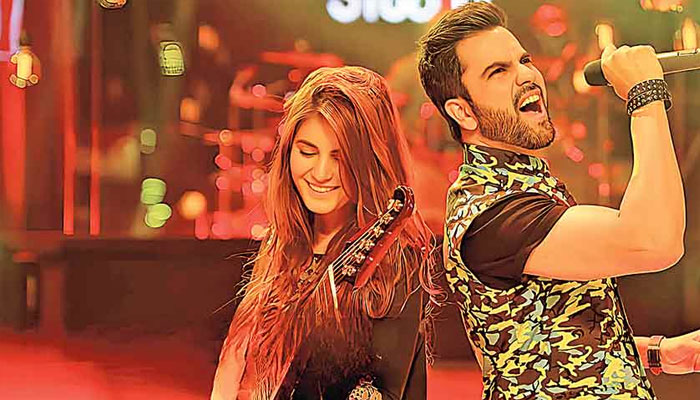
Instep: Your career began as the lead vocalist for Call. How did that experience shape your creative identity?
JK: Call was my identity in those years. It was pure passion, energy mixed with purpose and aggression. The songs carried messages of positivity and introspection, and that music became a kind of therapy for me. It gave me direction and continues to influence the way I approach my work today.
Instep: What led you to pursue a solo career?
JK: Like most bands, creative visions eventually diverge. When that happens, it’s natural to explore your own path. Going solo allowed me to express myself freely and explore ideas that didn’t fit within the band’s collective vision. It was simply part of growing as an artist.
Instep: You recently revisited your classics in the Intimately Unplugged series. What was that experience like?
JK: It was a beautiful experience. Intimate gigs are rare in Pakistan now, but they used to be more common when I started out. Performing at Club 432 in Karachi reminded me of the early days, close interaction with the audience, raw energy and no barriers. I performed Call’s classics and a few personal favourites and the response was overwhelming. It was two and a half hours of pure connection.
Instep: Tell us about your song ‘Taqdeer’. What message were you hoping to convey?
JK: ‘Taqdeer’ was something I wrote and composed in 2021. It came from a thought that had been on my mind for years, that power often blinds people to the pain they cause. The song speaks of oppression in many forms, including domestic abuse and systemic injustice. It’s about how ambition and ego can lead people to use others as pawns. The video reflects that message and it’s one of the most heartfelt pieces I’ve written.
Instep: How do you see platforms like Pakistan Idol shaping new talent?
JK: They’re important, but one platform isn’t enough. The amount of talent in Pakistan is huge and we need more avenues, more shows and more mentorship to give artists a chance to develop and shine.
Instep: What advice would you give to emerging musi-cians and actors?
JK: Be consistent. Success doesn’t come overnight. You might not see results right away but persistence and sincerity always pay off. Also, remember that visibility brings responsibility, so use your platform to say something meaningful and inspire positive change.
Instep: Do you think social media has helped in discov-ering new talent?
JK: Absolutely. In the past few years, social media has opened doors for young people to showcase their talent directly to the world. Many artists who started online are now recog-nised nationally. It’s empowering, but it also demands discipline and authenticity.
Instep: How do you balance being a musician, actor and producer? What keeps you motivated?
JK: I don’t see them as separate roles. They’re all extensions of a single artistic drive. Music is my therapy, acting is my mirror to society and producing is my way of creating opportunity and shaping the industry’s future.
My motivation comes from the act of creation itself, from the connection with people and the endless potential of storytelling in every form.
“Art isn’t just entertainment, it’s a mirror and a conversation starter. Case No. 9 highlights how justice is rarely blind; it’s shaped by privilege, wealth and influence. The story forces us to confront how easily victims are silenced when power and social status come into play. It’s a call for empathy and moral courage, for people to speak up and recognise that silence is a form of complicity. They should support victims while challenging injustice wherever they see it.” – Junaid Khan
“Pakistani dramas have come a long way. Our dramas are performing strongly, reaching audiences in the US, Canada, Europe and the Middle East. But there’s always room for improvement. We need more creative writers who can bring fresh ideas and break away from repetitive storytelling. Innovation is key if we want our content to keep evolving. Television here is often seen as a “women-focused medium,” but that doesn’t mean it can’t expand to other genres. Platforms like Netflix have shown how versatile storytelling can be. Global audiences have shown that diverse stories can thrive anywhere if done well, and I’d love to help expand that space.” – Junaid Khan