Study shows sleeping on 'wrong side of bed' can ruin your day
While right-side sleepers were found to fall asleep faster than left-side sleepers, they woke up more exhausted and irritated
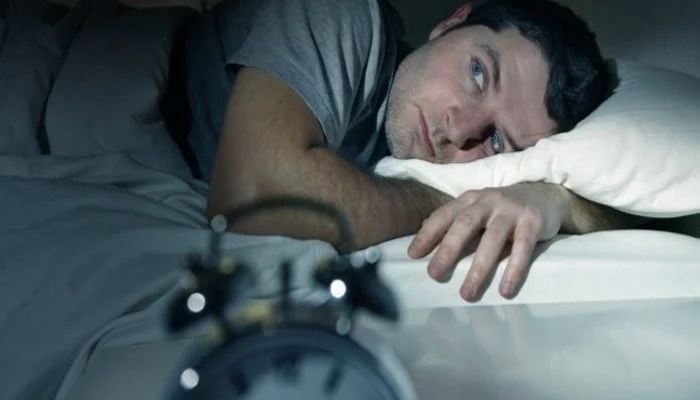
According to new research, sleeping on the "wrong side of the bed" can disturb a person's sleep and affect the rest of the day.
Metro News cited a survey that showed how 1,500 people in Britain wake up at least thrice a night with nearly half of them struggling with anxiousness related to money and work.
The study found that those who slept on the right side of the bed had a worse sleep experience. It also found that the majority of the people insisted on sleeping on the same side every night.
Interestingly, right-side sleepers were found to fall asleep faster than left-side sleepers. However, they woke up more exhausted and irritated.
These sleepers were less likely to feel positive in their life. Right-side sleepers were found to be bothered more at night than left-side sleepers.
The research also added that regardless of the side of the bed, most people were struggling to get enough sleep.
Some respondents attributed sleep disturbances to uncomfortable bedding while others blamed it on their snoring partners.


-
 France steps up Ebola support in Congo as fears of resurgence grow
 -
 Vance’s fraud crackdown may raise health insurance costs for Americans
 -
 One common mistake elevates blood pressure readings by 7 points, study warns
 -
 Moderna loses US government license defense in patent case
 -
 Novo says new Ozempic shows lower cardiovascular risk compared with Lilly’s Mounjaro
 -
 University of Nottingham researchers say new gel could regrow tooth enamel in weeks
 -
 New Chinese drug extends stroke treatment window from hours to 2 days: study finds
 -
 Trump’s FDA nominee Heidi Overton defends vaccines, contradicting his claims