
Obama to send special forces to Syria
Washington: President Barack Obama has authorized the first sustained deployment of special forces to Syria, the White House said Friday, relenting on a long-standing refusal to put US boots on the ground.
Obama okayed a deployment of "fewer than 50" special operations forces in the north of the war-ravaged nation in a bid to strengthen forces fighting the Daesh group,
By AFP
October 30, 2015
Washington: President Barack Obama has authorized the first sustained deployment of special forces to Syria, the White House said Friday, relenting on a long-standing refusal to put US boots on the ground.
Obama okayed a deployment of "fewer than 50" special operations forces in the north of the war-ravaged nation in a bid to strengthen forces fighting the Daesh group, spokesman Josh Earnest said.
The White House denied the move was a reversal of Obama´s pledge not to put combat troops in Syria, saying Americans would not be "leading the charge up the hill" and insisting it was not evidence of "mission creep."
"Our strategy in Syria hasn´t changed," said Earnest.
Instead, officials indicated the mission would echo some US operations in Iraq, where military personnel coordinate local ground forces, channel weapons supplies and direct air support.
But even in Iraq, the line between combat and non-combat troops has been hazy.
US forces took part in a recent raid on a militant-run prison in northern Iraq, resulting in the first death of a US serviceman in action in Iraq since 2011.
For over a year, the US has led a 65-member coalition that has conducted air strikes against more than 13,000 Daesh targets in Iraq and Syria.
But In Syria, efforts to battle militants have been plagued by the complexities of a civil war that has killed more than 240,000 people since March 2011 and prompted the most serious refugee crisis since World War II.
The White House announced Friday the deployment of A-10 ground-attack planes and F-15 tactical fighter jets to the Incirlik base in southern Turkey and increased assistance to Lebanon and Jordan as part of the ramped up effort.
Experts said the US announcement could foreshadow an assault on the Daesh group´s bases in Raqa in Syria and Ramadi in Iraq.
"It´s not clear that this will be enough to take Raqa," said Faysal Itani of the Atlantic Council.
"However, it could help attract local recruits to what will be seen as an empowered effort, and perhaps help build some trust between Kurdish and Arab forces."
Obama okayed a deployment of "fewer than 50" special operations forces in the north of the war-ravaged nation in a bid to strengthen forces fighting the Daesh group, spokesman Josh Earnest said.
The White House denied the move was a reversal of Obama´s pledge not to put combat troops in Syria, saying Americans would not be "leading the charge up the hill" and insisting it was not evidence of "mission creep."
"Our strategy in Syria hasn´t changed," said Earnest.
Instead, officials indicated the mission would echo some US operations in Iraq, where military personnel coordinate local ground forces, channel weapons supplies and direct air support.
But even in Iraq, the line between combat and non-combat troops has been hazy.
US forces took part in a recent raid on a militant-run prison in northern Iraq, resulting in the first death of a US serviceman in action in Iraq since 2011.
For over a year, the US has led a 65-member coalition that has conducted air strikes against more than 13,000 Daesh targets in Iraq and Syria.
But In Syria, efforts to battle militants have been plagued by the complexities of a civil war that has killed more than 240,000 people since March 2011 and prompted the most serious refugee crisis since World War II.
The White House announced Friday the deployment of A-10 ground-attack planes and F-15 tactical fighter jets to the Incirlik base in southern Turkey and increased assistance to Lebanon and Jordan as part of the ramped up effort.
Experts said the US announcement could foreshadow an assault on the Daesh group´s bases in Raqa in Syria and Ramadi in Iraq.
"It´s not clear that this will be enough to take Raqa," said Faysal Itani of the Atlantic Council.
"However, it could help attract local recruits to what will be seen as an empowered effort, and perhaps help build some trust between Kurdish and Arab forces."



-
 Japan Elections: Stock surges record high as PM Sanae Takaichi secures historic victory
 -
 $44B sent by mistake: South Korea demands tougher crypto regulations
 -
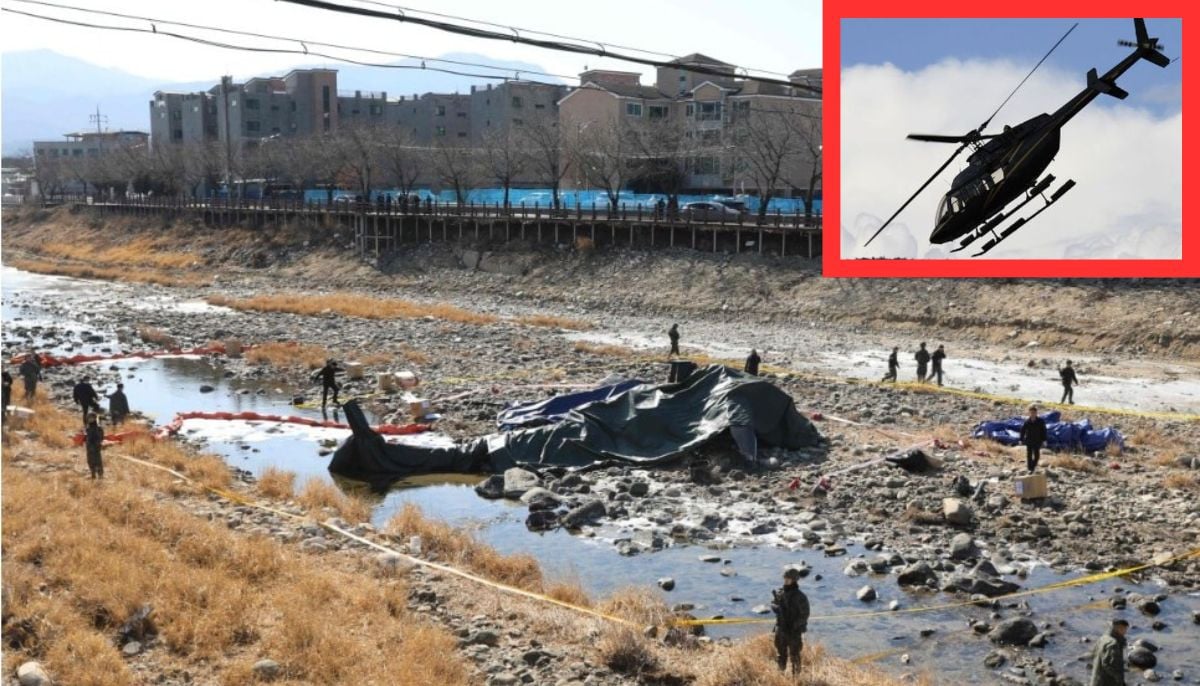 South Korea: Two killed as military helicopter crashes during training
 -
 Jake Paul criticizes Bad Bunny's Super Bowl LX Halftime Show: 'Fake American'
 -
 Hong Kong court sentences media tycoon Jimmy Lai to 20-years: Full list of charges explained
 -
 Trump passes verdict on Bad Bunny’s Super Bowl halftime show
 -
 Blac Chyna reveals her new approach to love, healing after recent heartbreak
 -
 Melissa Jon Hart explains rare reason behind not revisting old roles