No evidence exposure to radio waves from cellphones causes cancer: FDA report
There was "no consistent pattern" in the studies that showed the waves contributed to tumors or cancer, reads the report

A report by the Federal Drug Administration (FDA), after reviewing 11 years of published, scientific studies, said that there was no evidence to prove that exposure to radio waves from mobile phones caused tumors or cancer in human beings.
“The available epidemiological and cancer incidence data continues to support the agency’s determination that there are no quantifiable adverse health effects in humans caused by exposures at or under the current cell-phone exposure limits,” reads a report by the US agency.
The report rejects fears that radio waves from mobile phones pose health risks for human beings, saying that there was "no consistent pattern" in the studies that showed the waves contributed to tumors or cancer.
However, the FDA does not offer a 100% conclusion but urges researchers to carry on their work. It called on researchers to include live animals and human beings in its experiments and include subsets of the human population, many of whom may be predisposed to tumor risk.
Fears that the global expansion of next generation or 5G network have caused alarm bells to ring across the world. A village in Wohlen, Switzerland, has banned wireless antennas for fear of the radio waves.
The tensions have risen because proposed 5G networks require more cell sites than 4G networks and sites need to be closer to users, for example on light posts and sides of buildings.
US companies such as Verizon Communications Inc., AT&T Inc., T-Mobile US Inc. and Sprint Corp are building and expanding their 5G networks.


-
 Artemis II: Key milestones in NASA’s return to the Moon
 -
 NASA Artemis II crew to break Apollo 13 distance record
 -
 New study investigates phenomenon surpassing the speed of light
 -
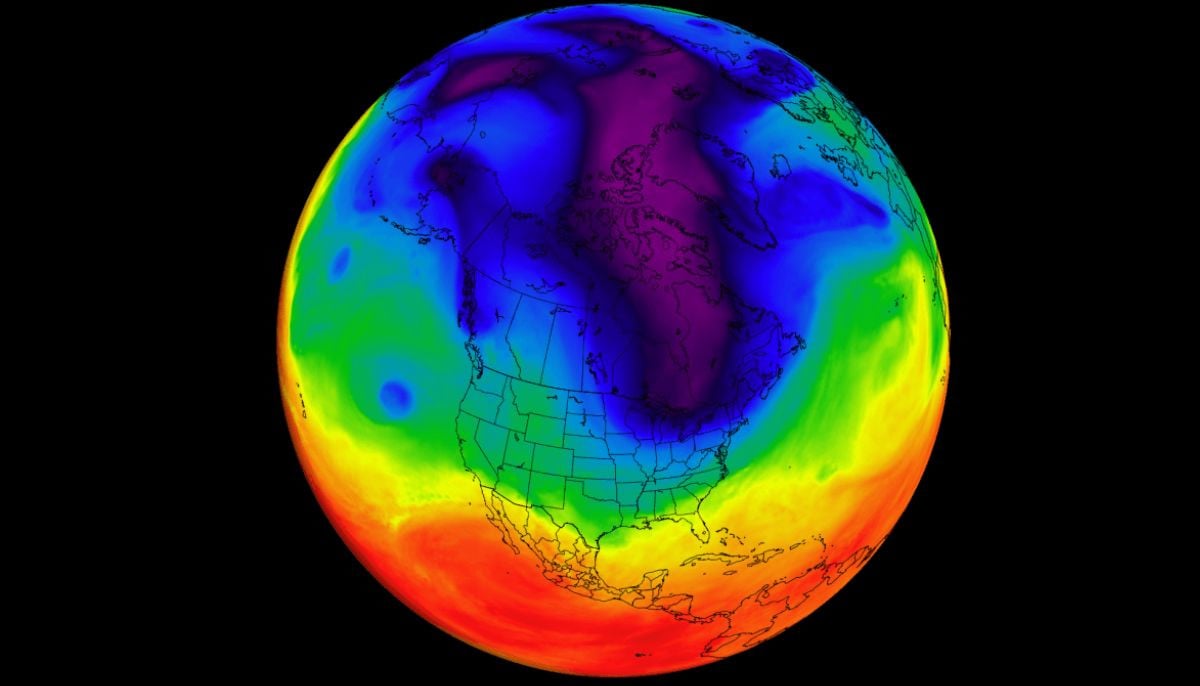 Polar Vortex enters final ‘seasonal’ phase: Rare shift signals winter weather risks into April
 -
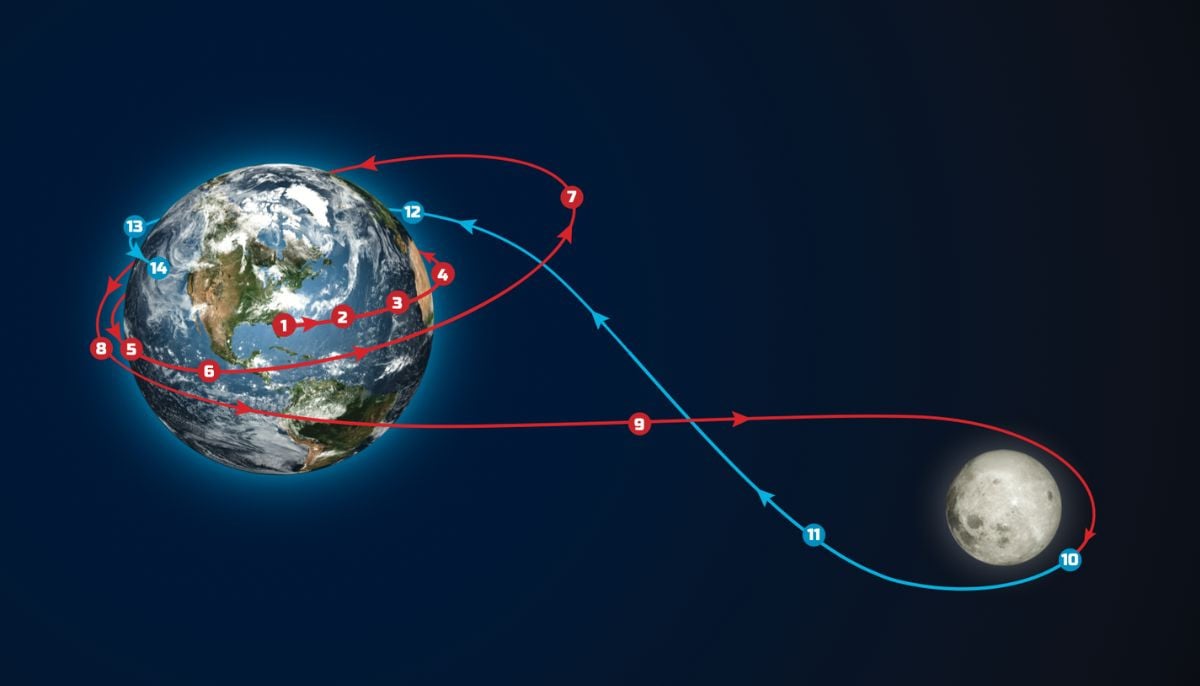 Why NASA Artemis II won’t take straight path to Moon: ‘Figure-8’ route explained
 -
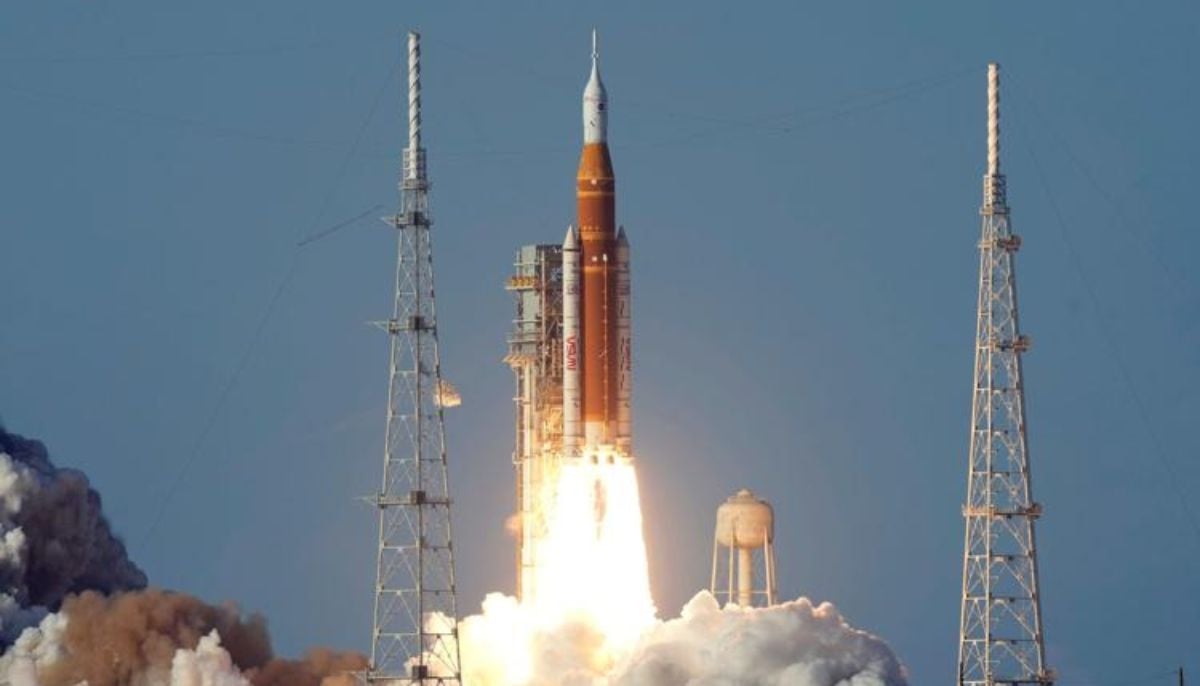 Even in space: NASA Artemis II astronauts hit Outlook glitch mid-mission
 -
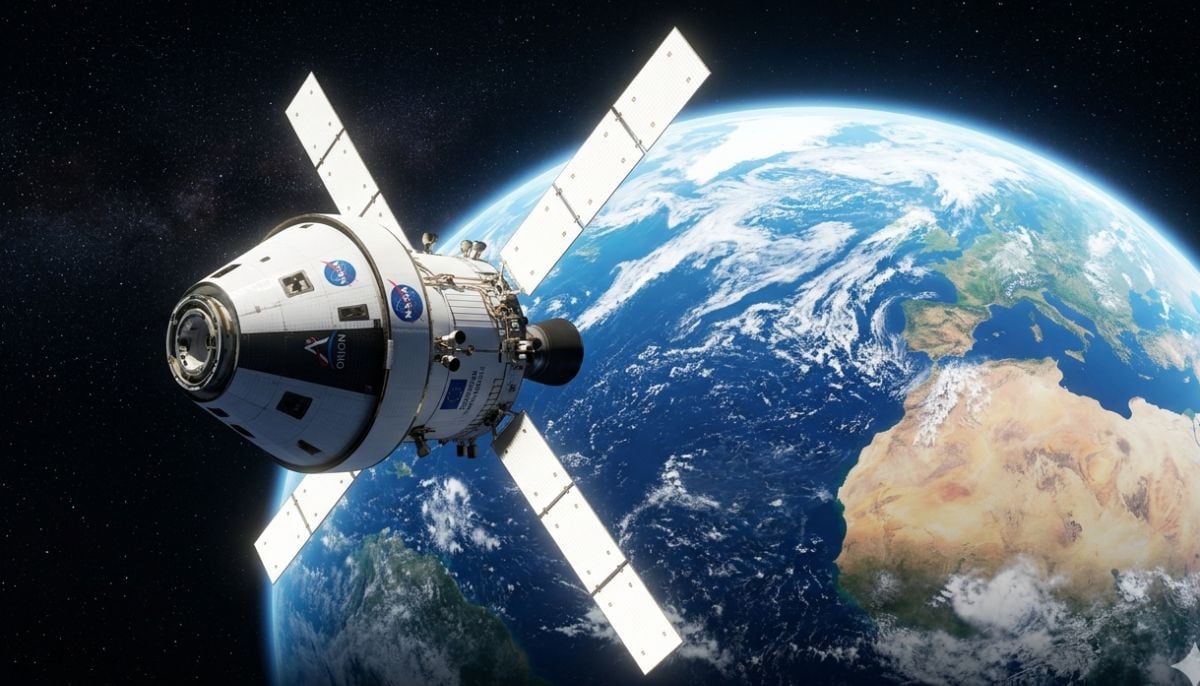 Artemis II hurtles ever closer to the lunar far side
 -
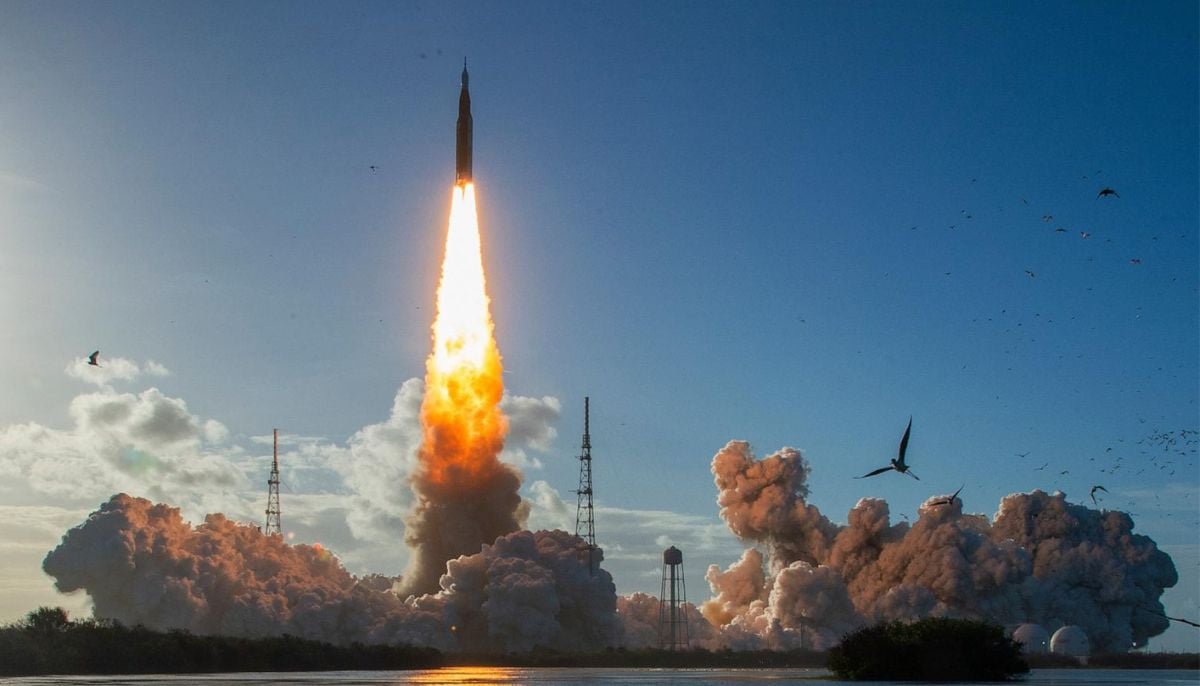 Where is Artemis II today? Here is everything to know about NASA’s journey to the moon