45m children to be administered measles vaccine: Gavi
Cases of measles have surged dramatically in recent years, with nearly 360,000 cases recorded globally in 2018
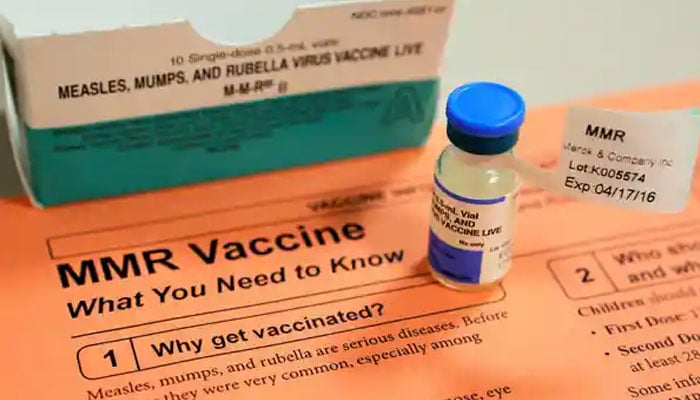
LONDON: Vaccine group Gavi said it would help to innoculate up to 45 million children in countries in Asia and Africa over the next six months.
Gavi, the Vaccine Alliance, will work with governments and groups including the World Health Organization and UNICEF to target children under five years old, the age group most vulnerable to the disease.
Cases have surged dramatically in recent years, with nearly 360,000 cases recorded globally in 2018 and almost 430,000 cases reported for 2019, according to provisional data.
"The measles vaccine is safe, effective and low-cost -- there is no reason children should still be dying of this disease," said Seth Berkley, CEO of the London-based alliance.
"While the headlines might focus on rising cases in Europe and the US, it is sadly still the case that the vast majority of measles deaths are happening in the world´s poorest countries."
The vaccination campaigns will take place in Bangladesh, Central African Republic, Ethiopia, Kenya, Nepal, Somalia and South Sudan.


-
 E-cigarettes: A proving quitting tool that still carries health risks
 -
 Eli Lilly expands $2.75B AI-enabled drug discovery deal with Insilico Medicine
 -
 London sewage detects polio weeks after funding drop
 -
 COVID-19 ‘Cicada’ variant: Here’s everything to know
 -
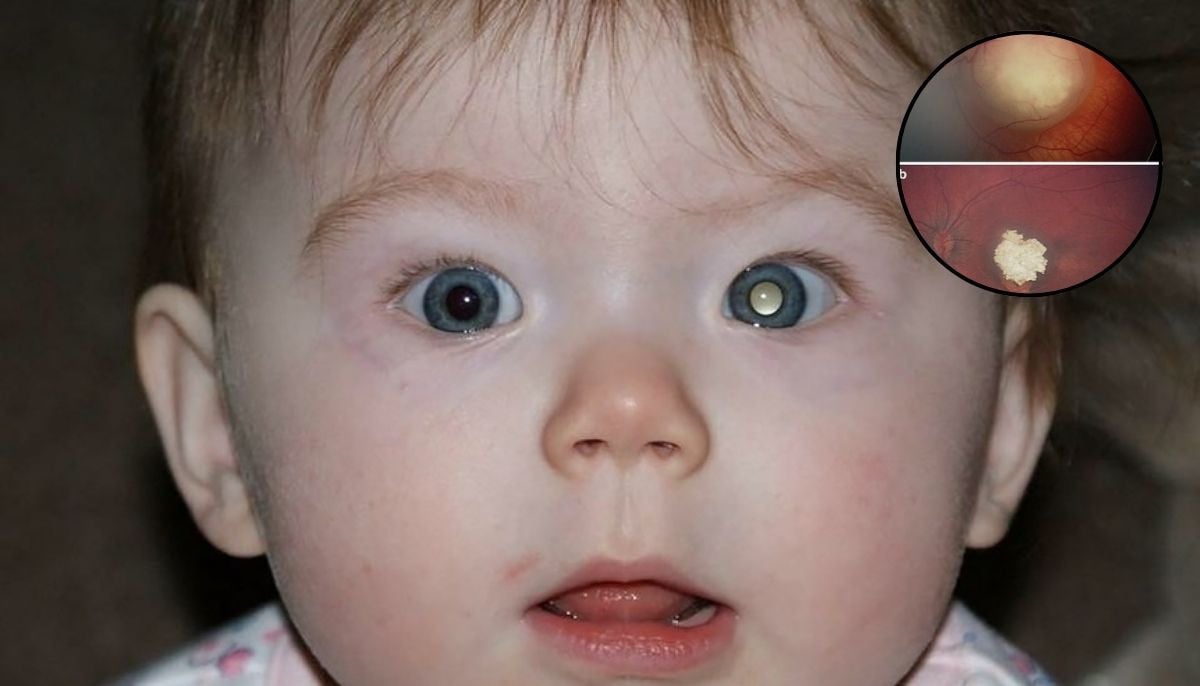 Eye drops made from pig body fluid could revolutionize cancer treatment, new study says
 -
 Paul Conyngham uses ChatGPT, AlphaFold to develop a life-saving cancer vaccine for his dog
 -
 'Cicada' COVID variant detected in multiple countries as experts study mutation risks
 -
 Metformin’s hidden brain pathway uncovered after 60 years
-
 New study shows how an extra 11 minutes of sleep each night reduces heart attack risk
 -
Insulin pills near reality, promising injection-free diabetes care
-
A smarter approach to eating: Why isn't calorie counting enough?
-
Cutting sweet cravings doesn't reduce cravings or improve health: Scientists debunk myth