Sarfraz and Faf du Plessis become first ever captains to record a ‘pair’ in the same Test
Both Pakistan captain Sarfraz Ahmed and South Africa skipper Faf du Plessis were dismissed for a ‘duck’ in both innings of the match.
CENTURION: A rare incident took place, during the first Test of the three-match series between South Africa and Pakistan ended inside three days here on Friday, as the captains of both sides made a ‘pair’.
Both Pakistan captain Sarfraz Ahmed and South Africa skipper Faf du Plessis were dismissed for a ‘duck’ in both innings of the match.
A ‘pair’ in cricket refers to when a batsman is dismissed for a ‘duck’ (without scoring) in both innings. It is called a 'king pair' if the batsman gets out for a ‘golden duck’ (getting out on the first ball he faced) in both innings.
However, du Plessis got out on very first ball he faced in the first innings, which is called a ‘golden duck’. He was dismissed on the sixth ball he faced in the second innings and thus he avoided from getting a ‘king pair’ in the Test.
This is for the first time in Test cricket that two players made ‘pairs’ as captains in the same Test.
In all, 20 captains have been dismissed for a ‘pair’ in the 142-year history of Test cricket. These include four Pakistani captains – Imtiaz Ahmed against England at Dhaka in 1961-62, Rashid Latif against South Africa at Port Elizabeth in 1997-98, Waqar Younis against Australia at Sharjah in 2002-03 and now Sarfraz Ahmed against South Africa at Centurion.


-
 NFL star Antonio Brown shocks fans by joining OnlyFans
 -
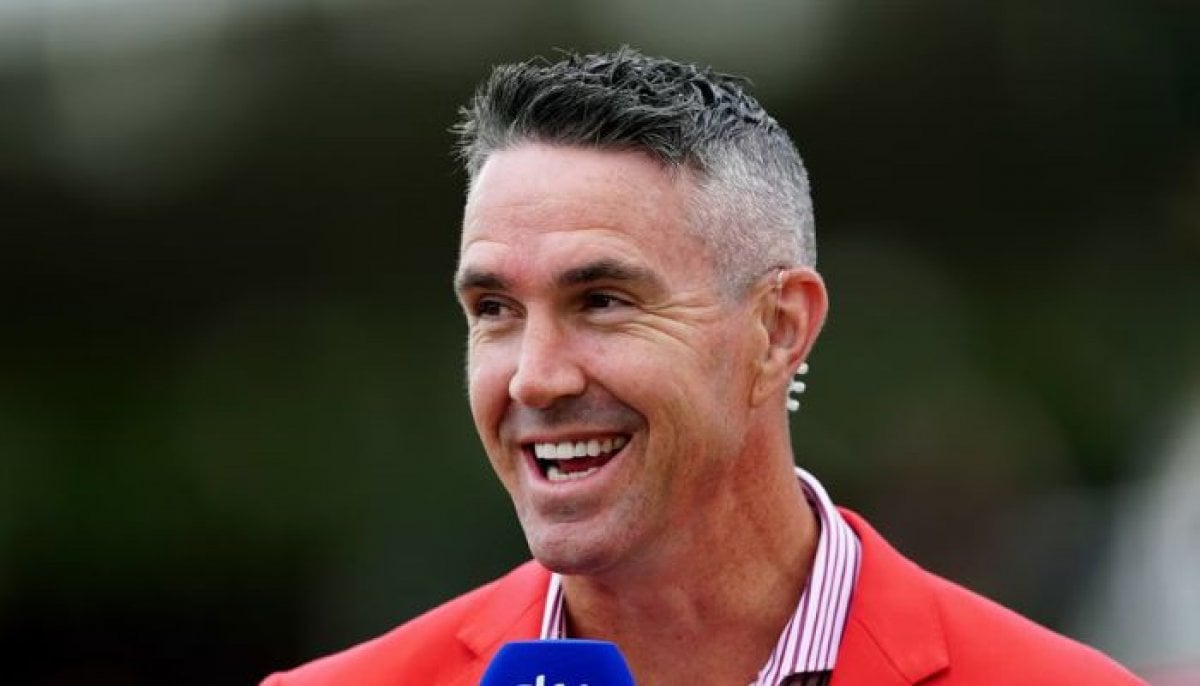 Kevin Pietersen returns to England cricket after 12 years as white-ball mentor
 -
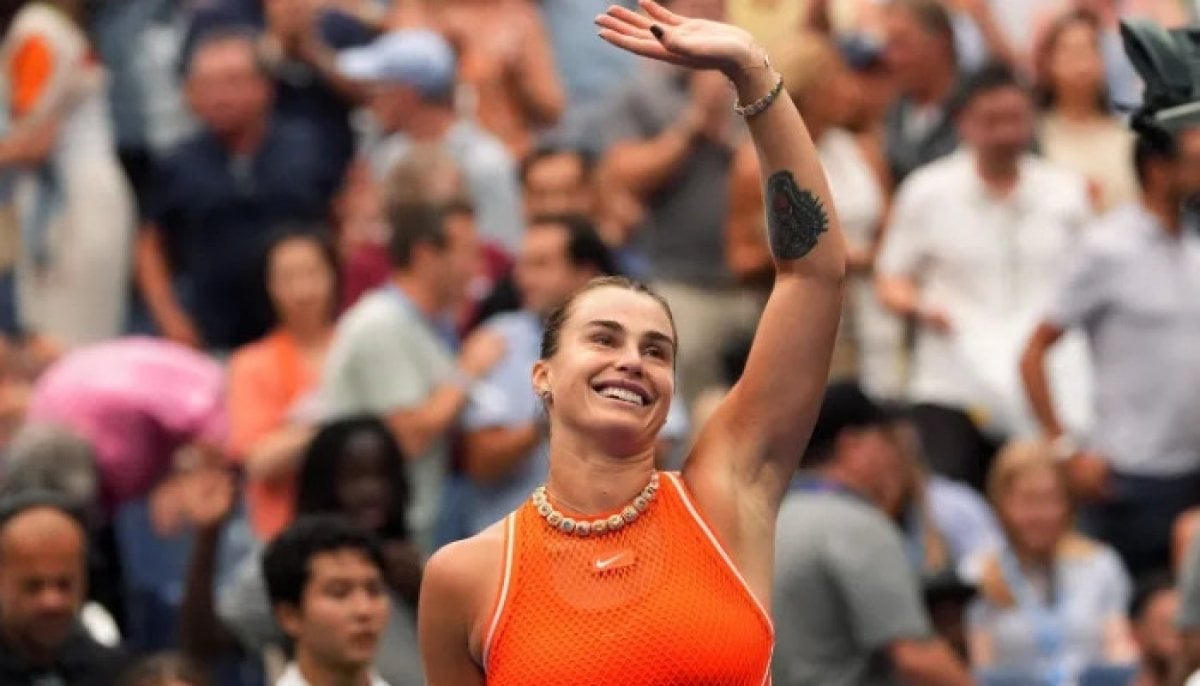 Aryna Sabalenka beats Taylor Townsend to reach US Open quarterfinals
 -
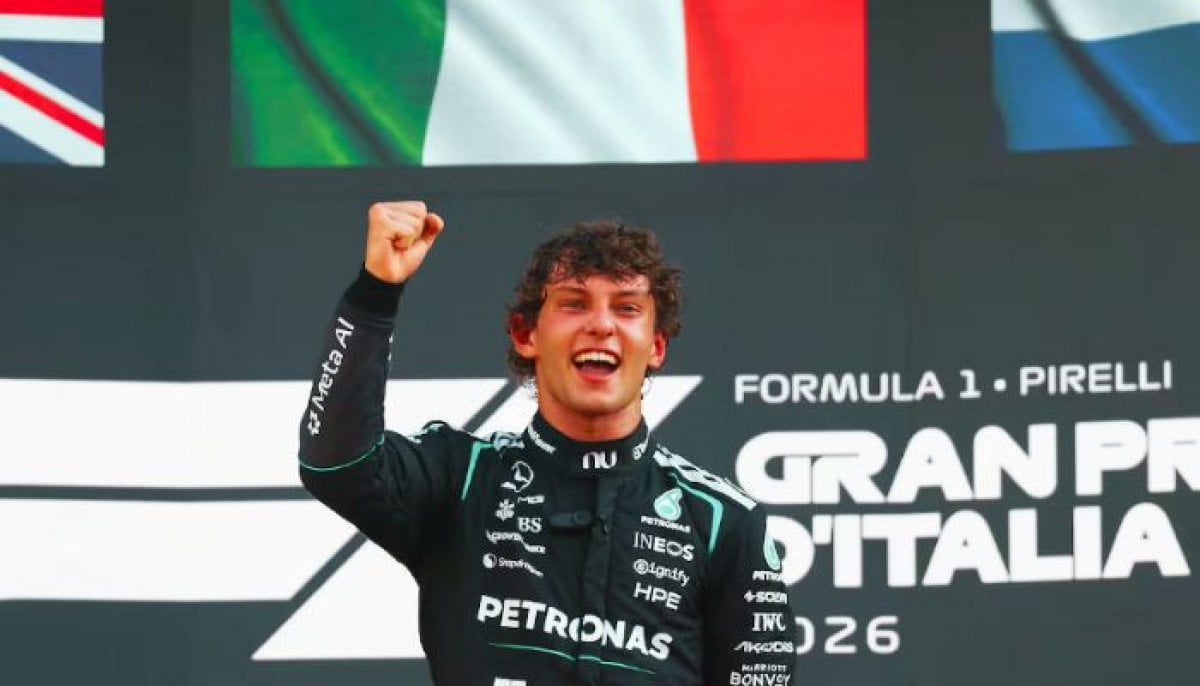 F1 Kimi Antonelli wins Italian GP from 19th on grid at Monza
 -
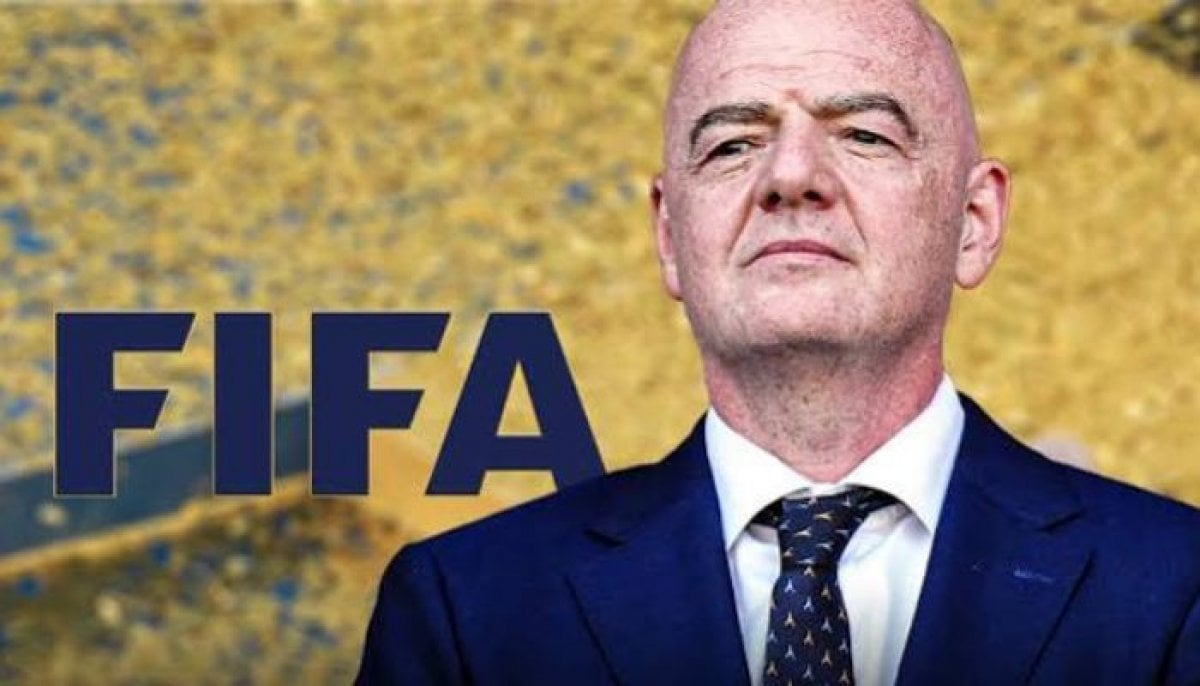 FIFA President Gianni Infantino confirms re-election bid for March 2027
 -
 Richard Hughes steps down at Liverpool, set for new Saudi challenge
 -
 WWE NXT Releases 2026: 10 wrestlers released in major roster shake-up
 -
 Ben Simmons makes NBA comeback after signing $3.5mn Kings contract