Iran bans foreign social media networks in schools
Schools must "only use domestic social networks" for their communication, the ministry said in a statement, according to the reformist-linked news agency.

TEHRAN: Iran´s ministry of education on Sunday banned the use of foreign social media networks in schools, the ILNA news agency reported, amid a push by Tehran to limit the influence of outside online platforms.
Schools must "only use domestic social networks" for their communication, the ministry said in a statement, according to the reformist-linked news agency.
Telegram is the most popular social network in Iran. In 2017, the app claimed it had 40-million monthly users in the Islamic Republic.
Instagram is also very popular, and companies in Iran -- like elsewhere -- often use both platforms to communicate directly with customers.
Less used, Facebook and Twitter are blocked in Iran, but easily accessible using a virtual private network (VPN).
During a wave of protests that hit dozens of Iranian cities over at the start of the year, Iranian authorities temporarily banned Telegram, accusing the app of allowing foreign-based "counter-revolutionary" groups to fuel unrest.
Since then, authorities have sought to develop Iranian social media networks and limit the reliance on foreign-based platforms, which Tehran accuses of hosting sites deemed hostile to the Islamic Republic.
Several Iranian platforms offering services similar to Telegram have emerged in recent months, like the Soroush network, which already claims to have five million subscribers.
According to the official IRNA news agency, Telecommunication Minister Mohammad-Javad Azari Jahromi recently pledged Iranian networks would offer the same guarantees of confidentiality as foreign platforms.
"No message is read, and no (personal) information is communicated to anyone," he told parliament.
In a statement recently posted to his website, Iran´s Supreme Leader Ayatollah Ali Khamenei said the government should guarantee the "security and privacy" of people on the internet.
Khamenei called intrusions into online privacy "haram", or prohibited from a religious standpoint.
Iranian media has appeared to encourage people to join the new networks by assuring viewers they will continue to operate even if Telegram is again banned.


-
 Light aircraft crashes into Beijing's tallest tower, pilot killed
 -
 Trump debuts passport featuring his own portrait ahead of America's 250th anniversary
 -
 What triggered US strikes on Iran? Trump’s ceasefire violation claim explained
 -
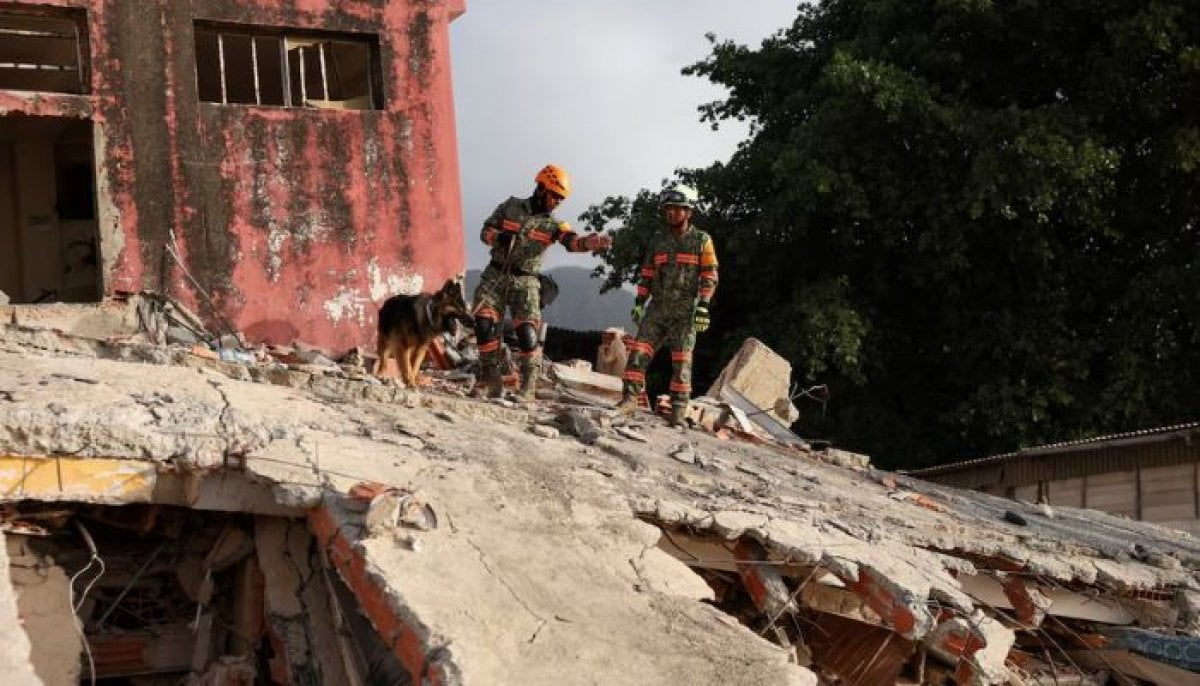 Venezuela earthquake death toll exceeds 920 as rescuers race for survivors
 -
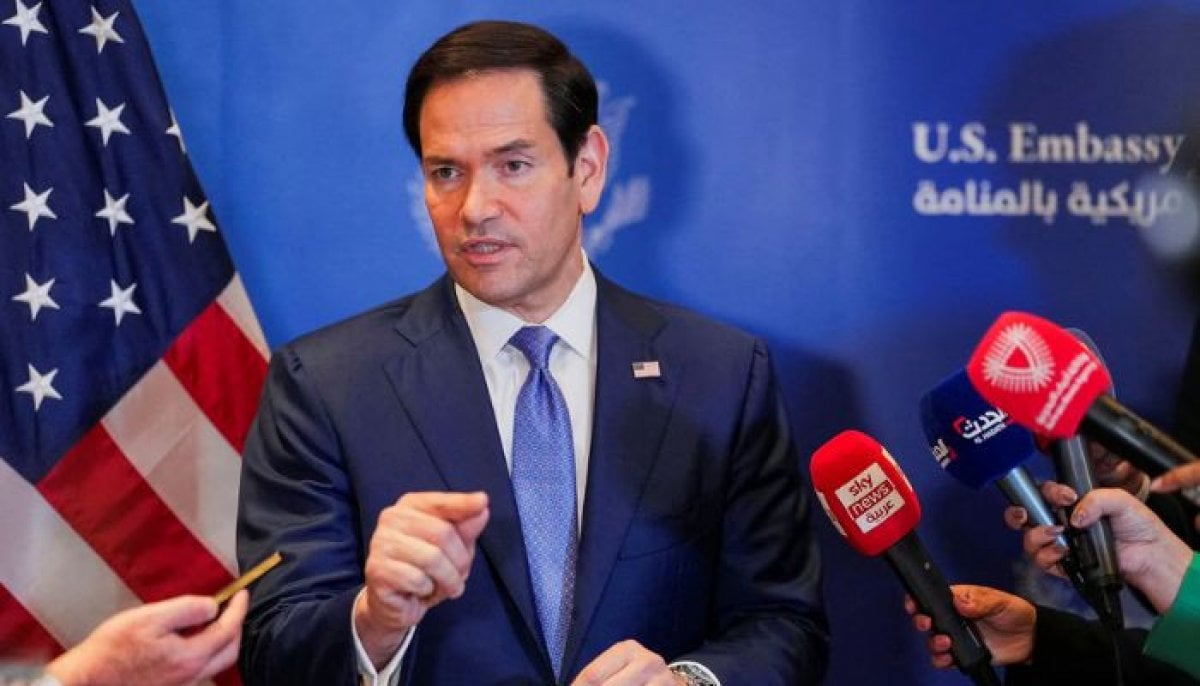 US announces breakthrough framework agreement between Israel and Lebanon
 -
 Billionaire Leon Black abruptly walks out of Epstein investigation hearing
 -
 Trump threatens 100% Tariff on nations imposing digital services taxes
 -
 John Bolton pleads guilty, to be sentenced in October
-
 South Korea ex-First Lady Kim Keon Hee jailed for 7 years in bribery scandal
 -
UK hits 36.9°C: June temperature record broken for third straight day
-
Trump’s former advisor John Bolton expected to plead guilty to mishandling classified information
-
Venezuela death toll hits 590; Global aid mobilizes for earthquake survivors