
Pakistani rupee weakens further after SBP pulls support
Economists and businesses have been urging the government to devalue the rupee, saying it was hurting exports and contributing to the depletion of Pakistan's foreign currency reserves.
KARACHI: The Pakistani rupee weakened further on Monday, after the central bank withdrew its support on Friday, effectively devaluing the currency.
The rupee plunged to as low as 110 per dollar, before recouping some of the losses to stabilise at 108.50 by midday local time (0700 GMT), traders said. The currency weakened to 107 per dollar on Friday from 105.55 at open.
The rupee has mostly traded in a tight range of 104-105 per dollar since December 2015.
The State Bank of Pakistan's (SBP) withdrawal of its support for the rupee was seen as a devaluation measure as the central bank is the biggest player in the thinly traded local foreign exchange market and controls what is widely considered a managed float system.
"Today there is no intervention from the central bank and it seems it has been left up to the market to determine the rate today," said Fawad Khan, Head of Research at BMA Capital.
"It's kind of a policy stance by the central bank continuing from Friday to let the market determine."
Economists and businesses have been urging the government to devalue the rupee, saying it was hurting exports and contributing to the depletion of Pakistan's foreign currency reserves.
The central bank said in a statement after the market closed on Friday that a weaker rupee would help the economy grow and ease balance of payments pressures, comments that market participants interpreted as SBP's approval of a weaker rupee.
"As per Friday's statement by the central bank and today's fluctuation of rupee, it looks like they will maintain the rate around 107-108 in the short term," said Saad Hashemy, director of research for Topline Securities.




-
 Bitwise Crypto Industry innovators ETF: What investors should do in 2026?
 -
 Nintendo shares slide again as momentum fears grow
 -
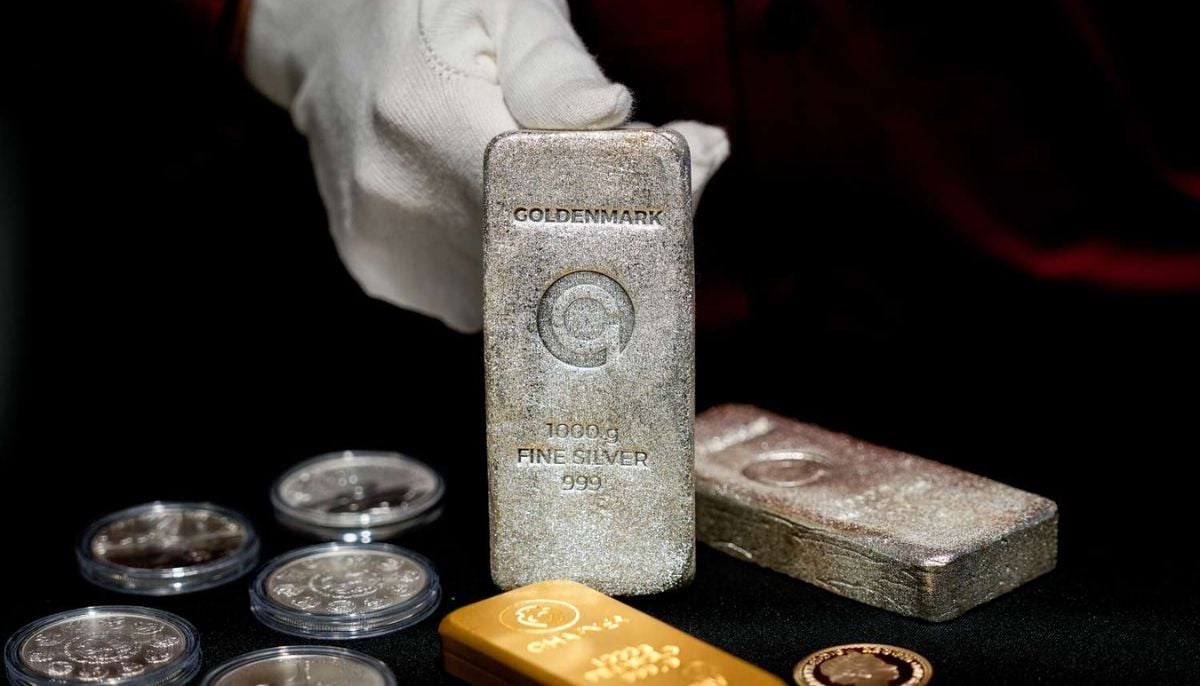 Gold, silver prices fallen sharply; What’s driving the drop?
 -
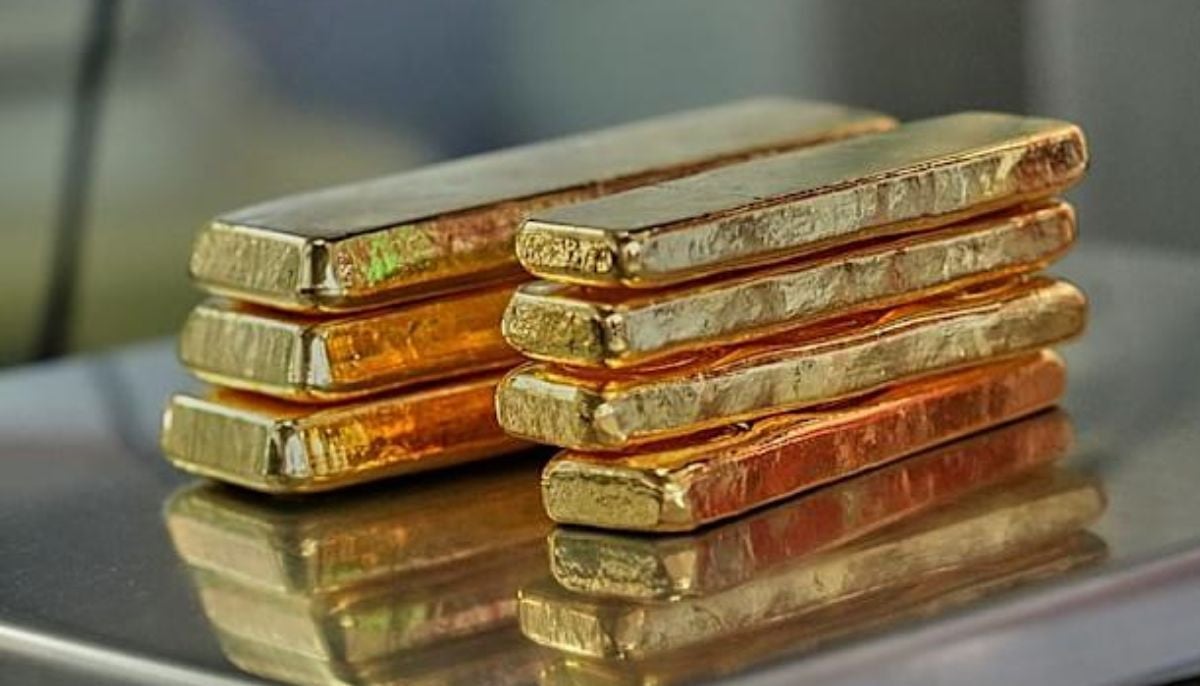 Gold’s record climb: Experts question if its safety is ‘overstated’
 -
 Dubai unveils plans to construct street built with real gold
 -
 Netflix slams Paramount’s bid: 'Doesn't pass sniff test’ as Warner battle escalates
 -
 Ubisoft: Shares plunge amid restructuring plan and wave of games cancellations
 -
 Netflix revises Warner Bros. deal to $83 billion: All-cash offer