London: A student at a British university has uncovered teeth from rat-like creatures who lived 145 million years ago and have distant links to humans, a scientific journal reported Tuesday.
The discovery was made on the coast of Dorset, southwest England, by undergraduate Grant Smith as he sifted through rocks at the University of Portsmouth.
"Quite unexpectedly he found not one but two quite remarkable teeth of a type never before seen from rocks of this age," said Steve Sweetman, a research fellow at the university.
"I was asked to look at them and give an opinion and even at first glance my jaw dropped!" he wrote in the journal Acta Palaeontologica Polonica.
The teeth are believed to have belonged to two different species of small, furry creatures which were probably nocturnal and survived on insects and perhaps plants.
"The teeth are of a highly advanced type that can pierce, cut and crush food," Sweetman said.
"They are also very worn which suggests the animals to which they belonged lived to a good age for their species. No mean feat when you´re sharing your habitat with predatory dinosaurs!"
Despite being markedly different from humans, Sweetman described the animals as "undoubtedly the earliest yet known from the line of mammals that lead to our own species."
The two species have been named Durlstodon ensomi and Durlstotherium newmani, the latter after a local pub landlord, Charlie Newman.
The discovery was made along Dorset´s "Jurassic Coast", a UNESCO World Heritage Site which charts 185 million years of history.


-
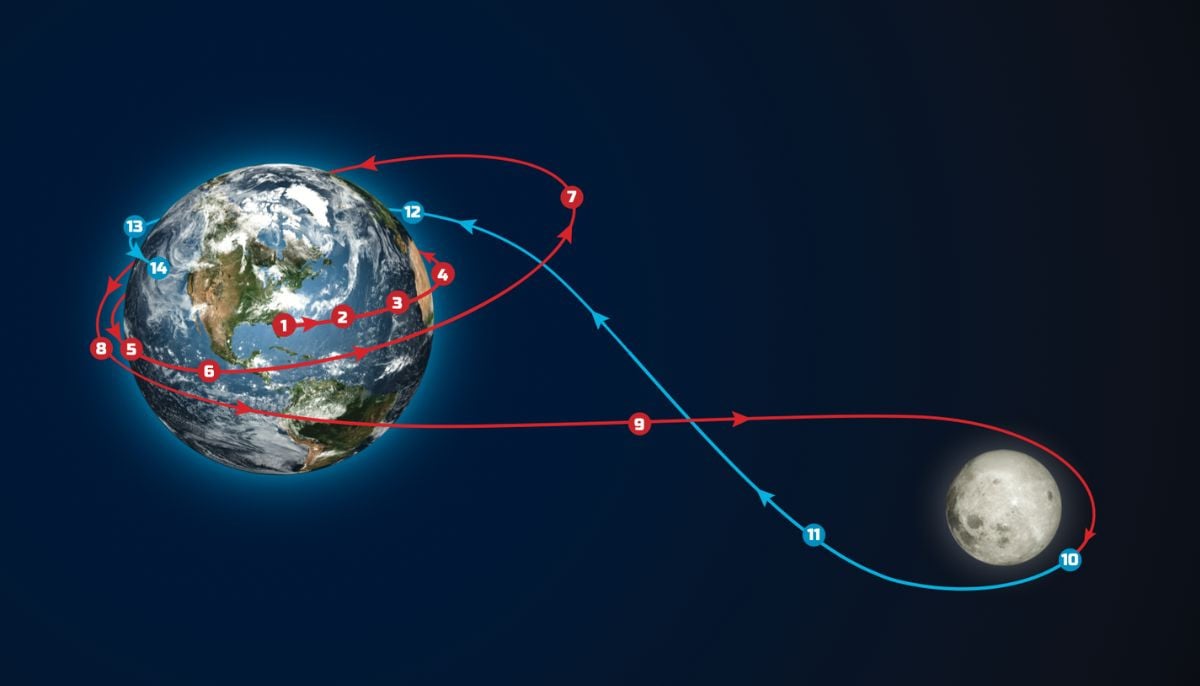 Why NASA Artemis II won’t take straight path to Moon: ‘Figure-8’ route explained
 -
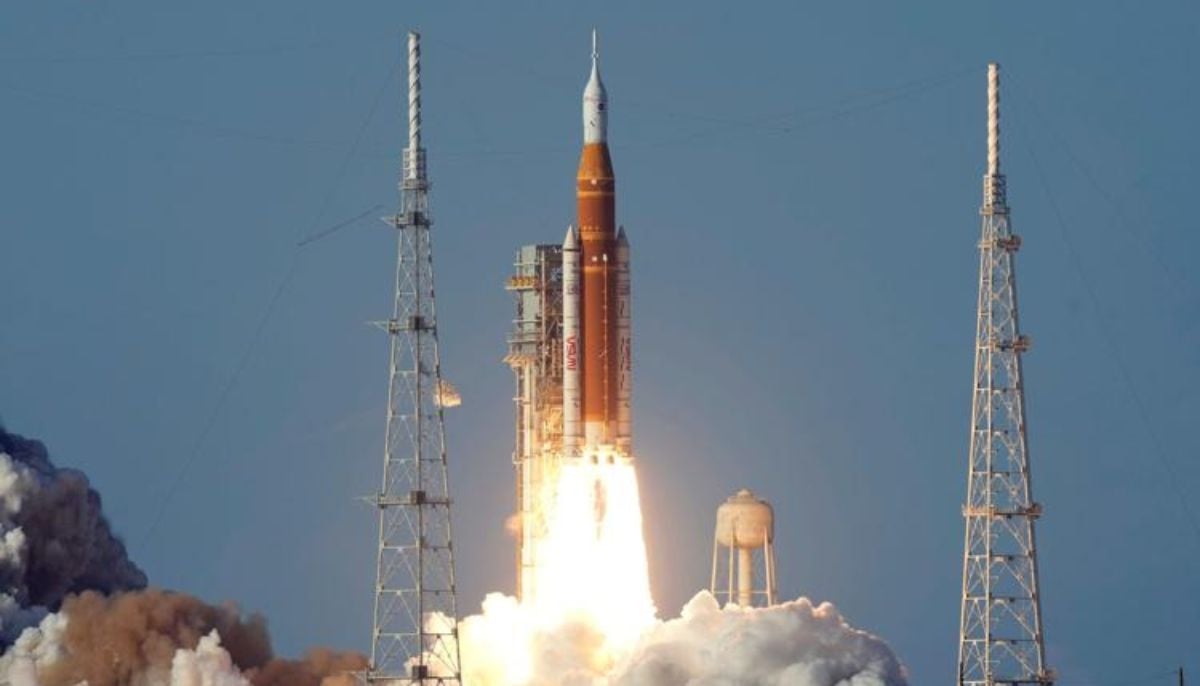 Even in space: NASA Artemis II astronauts hit Outlook glitch mid-mission
 -
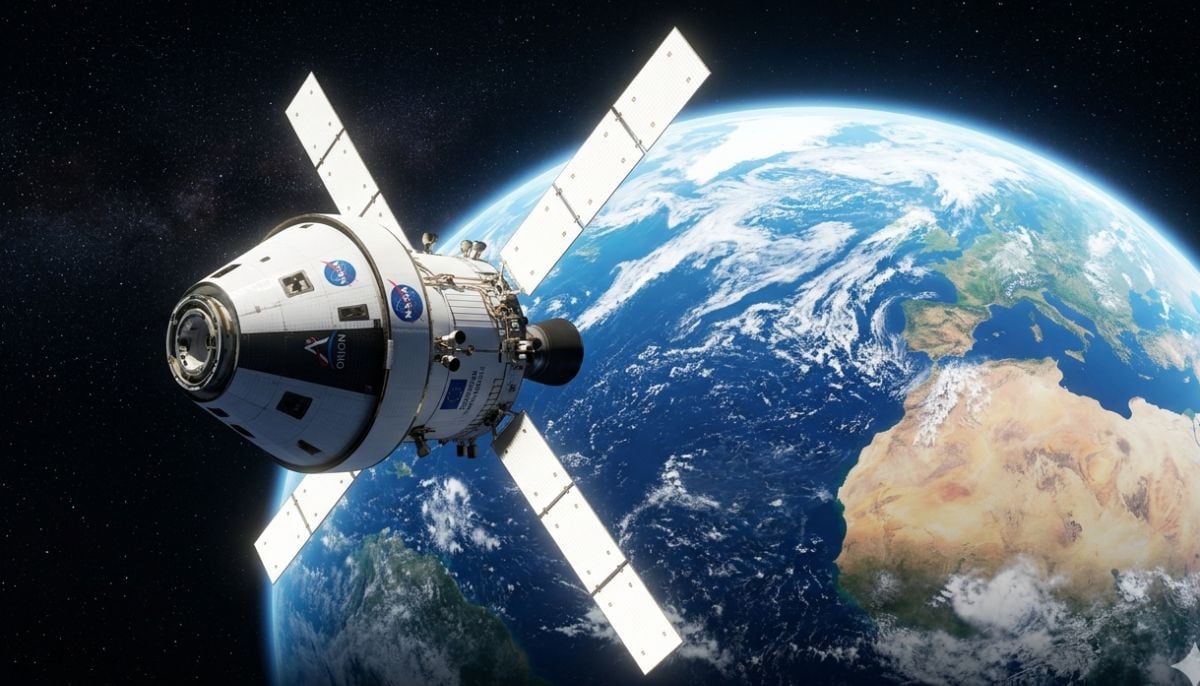 Artemis II hurtles ever closer to the lunar far side
 -
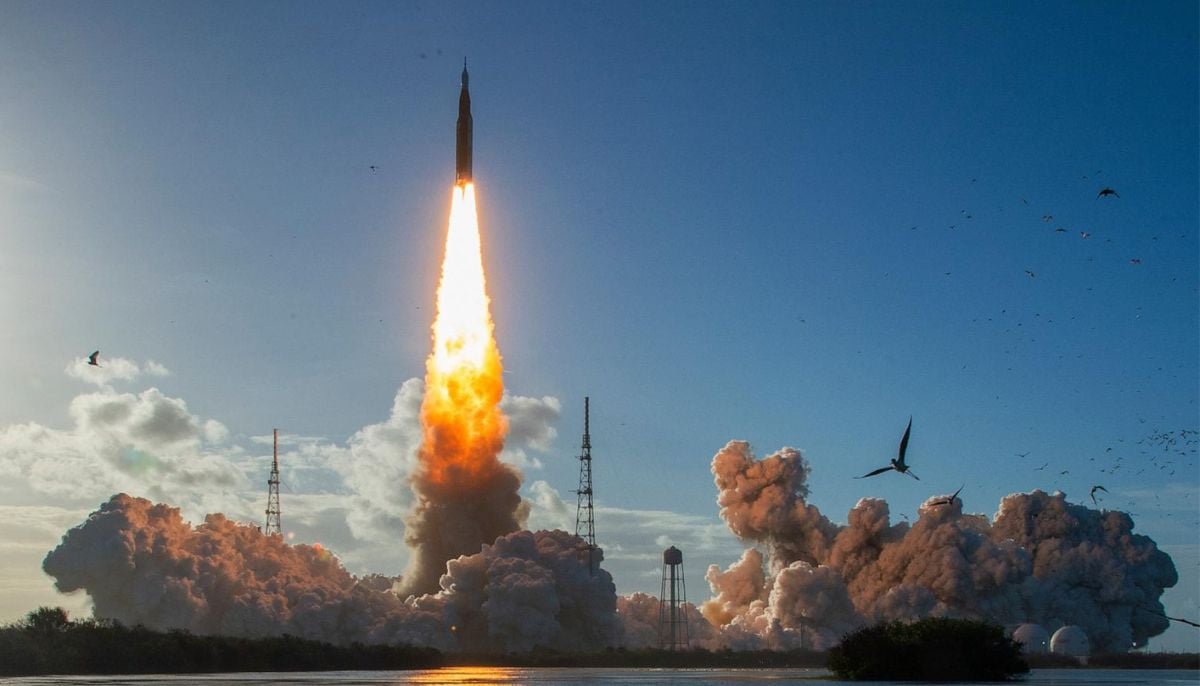 Where is Artemis II today? Here is everything to know about NASA’s journey to the moon
 -
 European Space Agency to negotiate with NASA on future lunar missions
 -
 SpaceX AI satellites plan raises doubts after Microsoft setback
 -
 NASA Artemis II lifts off, sending cubesats into deep space study
 -
 Could there be life on Mars? NASA Jared Isaacman claims chances are 90%