
ISLAMABAD: Teenagers who use their smartphones late at night may suffer poor mental health, reduced coping and self-esteem, a new study warned.
Researchers at Griffith University and Murdoch University tracked changes in late-night mobile phone use, sleep and mental health indicators over three years in a large sample of Australian teens.
Researchers found that adolescents' late-night mobile phone use was directly linked to poor sleep quality, which subsequently led to poorer mental health outcomes, reduced coping,and lowered self-esteem.
"We have demonstrated how poor sleep is the key link connecting an increase in night-time mobile use with subsequent increases in psychosocial issues," lead researcher Lynette Vernon said in the study published in the journal Child Development.
"We found that late night phone use directly contributed to poor sleep habits, which over time led to declines in overall wellbeing and mental health," said Vernon.
The study surveyed 1,100 students from 29 schools annually over four years in total, starting in year 8 and following them until year 11. Students were asked what time of the night they received or sent text messages and phone calls, and their perceptions of their sleep quality.
Results showed that in year 8, more than 85 per cent of students owned a mobile phone and around one-third of these students reported that they never texted or received phone calls after lights out.
However, three years later 93 per cent of the students owned mobiles and only 22 per cent of these year 11 students reported no late night mobile use.
"We found that those teenagers who start out as relatively 'healthy' in terms of theirlate-night mobile use early in high school, tend to show steeper escalations in their late-night mobile use over the next several years," said study co-author Kathryn Modecki.
"What is especially compelling is that these increases in poor sleep, in turn, led to rises in depressed mood and externalising behaviours, and declines in self-esteem and coping one year later," said Modecki.



-
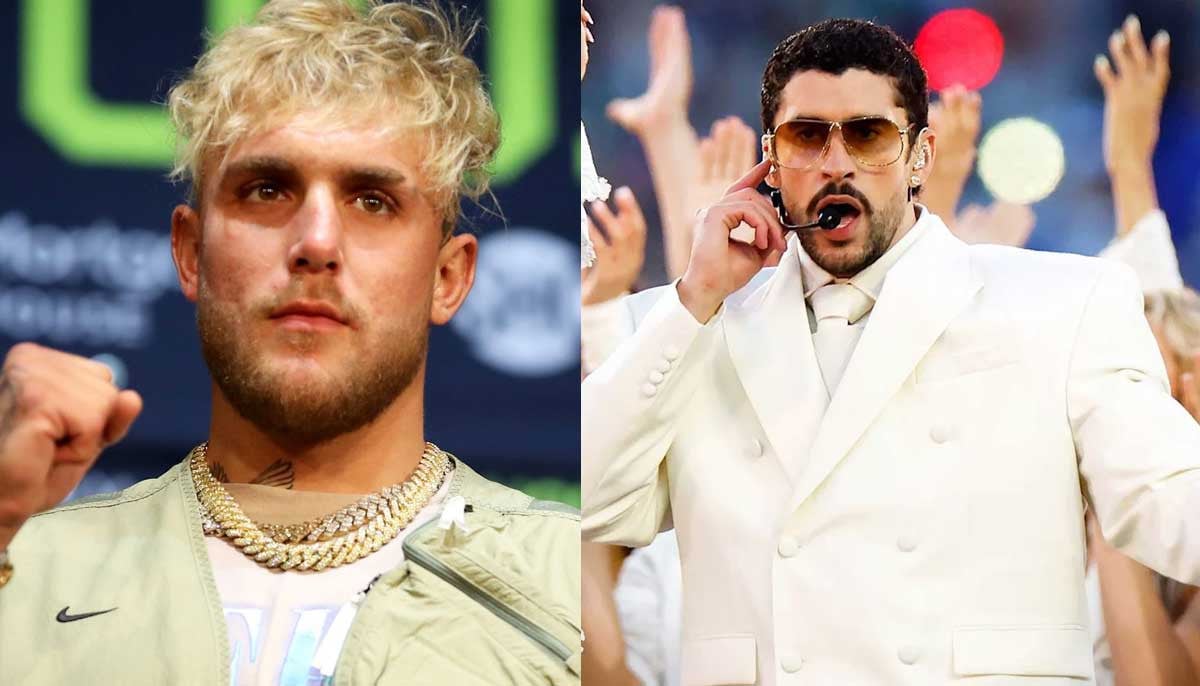 Jake Paul criticizes Bad Bunny's Super Bowl LX Halftime Show: 'Fake American'
 -
 Hong Kong court sentences media tycoon Jimmy Lai to 20-years: Full list of charges explained
 -
 Trump passes verdict on Bad Bunny’s Super Bowl halftime show
 -
 Blac Chyna reveals her new approach to love, healing after recent heartbreak
 -
 Melissa Jon Hart explains rare reason behind not revisting old roles
 -
 Japan elects Takaichi as first woman Prime Minister after sweeping vote
 -
 'We were deceived': Noam Chomsky's wife regrets Epstein association
 -
 Martha Stewart on surviving rigorous times amid upcoming memoir release