UK cancer rates to rise faster among women than men: charity
LONDON: Cancer rates in Britain will rise six times faster among women than men within the next two decades, according to data released on Friday by charity Cancer Research UK.
Nationwide by 2035 there will be a 0.5 percent increase in men being diagnosed with cancer, compared to a 3 percent jump among women, CRUK said.
The increase has been linked to obesity, smoking and drinking alcohol. Womb, ovarian and postmenopausal breast cancer are among those which are linked to being overweight.
The rates of cervical and oral cancers being diagnosed is also rising among women, the latter having being linked to smoking.
Lighting up became popular among women after the habit had been taken up by men, meaning women´s risk of developing lung cancer is increasing now despite smoking rates falling overall.
Drinking alcohol is also having a negative impact on women´s cancer rates, although not to the same level as smoking and obesity, CRUK said.
"The top things we can all do to prevent and reduce the risk of cancer are quitting smoking, maintaining a healthy weight, being physically active and attending cancer screening when invited," said Kevin Fenton from Public Health England, a government agency.
The most common cancers in Britain are breast, prostate, lung and bowel, accounting for 53 percent of new cases annually.
Globally the number of new cases of cancer is expected to rise by around 70 percent within 20 years, according to the 2015 data from the World Health Organization.


-
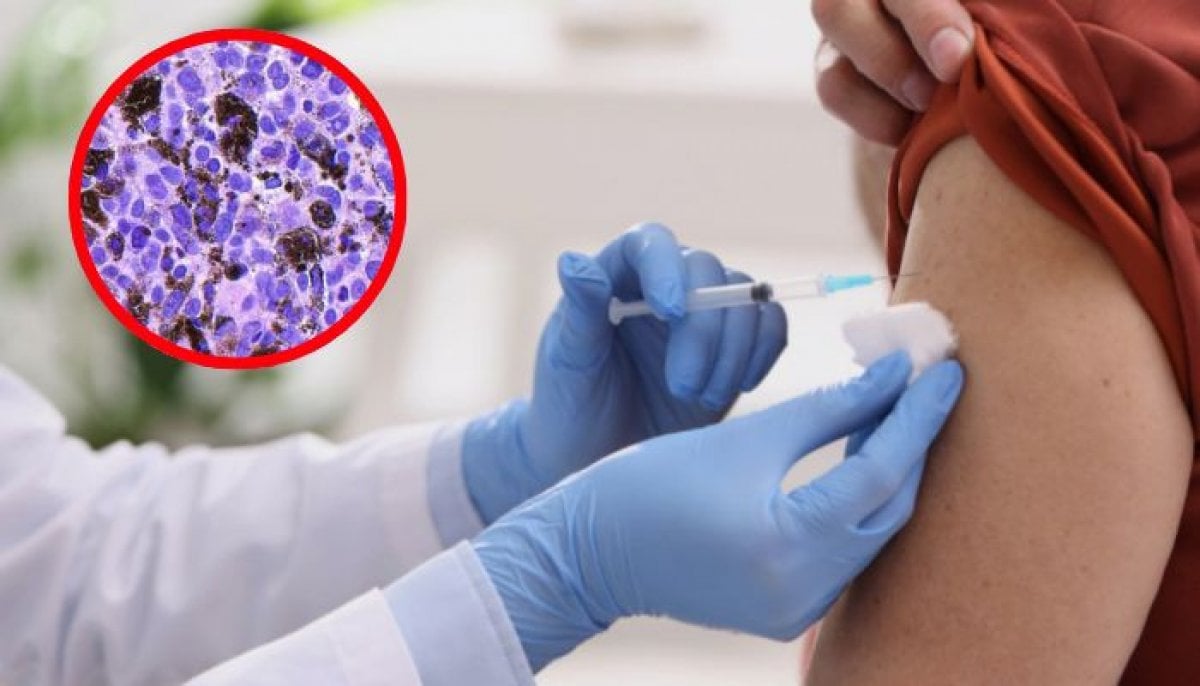 New personalized cancer vaccine cuts Melanoma recurrence risk by 42%, trial shows
 -
 Prime editing rewrites DNA inside human body for the first time
 -
 WHO investigates mystery Ebola case in Nigeria as outbreak spreads beyond DR Congo
 -
 Virginia Sen. Louise Lucas indicted on racketeering and marijuana charges
 -
 France confirms world's first human case of Shamonda virus; patient dies
 -
 OpenAI agents uncover brain disease leads: Here’s how
 -
 AI tool can now predict cancer survival by a single patient selfie: Find out how
 -
 Scientists identify a new type of depression affecting 1 in 4 patients
-
 Everything to know about US FDA’s new guidance on apps used with prescription drugs
 -
‘Immortal’ jellyfish could hold clues to slowing human ageing
-
Ebola crisis worsens in DR Congo as virus reaches eighth province with over 4,500 dead
-
Study finds eating blueberries every day can surprisingly boost your mood