Was AI the real breakthrough at Xi-Trump summit?
Analysts say the new AI dialogue channel matters more long-term than the tariff truce extension
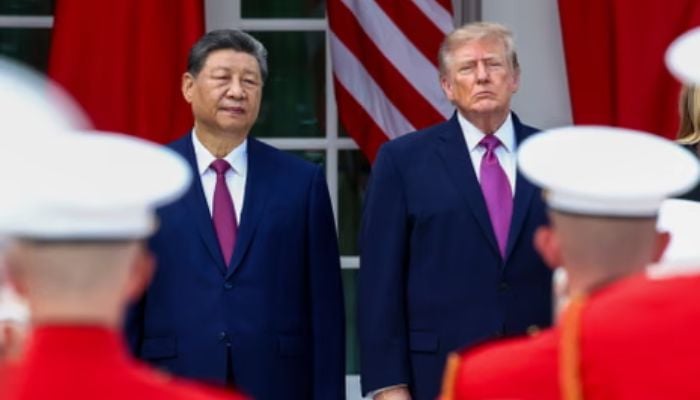
Xi Jinping's three-day visit to Washington produced a tariff truce extension and a coal purchase agreement, but analysts say the meeting's most consequential outcome may be a new channel for US-China dialogue on artificial intelligence.
Both sides reached an agreement to make joint recommendations for more favourable tariffs on goods that totalled up to $30 billion each way via the newly formed Board of Trade. Additionally, China pledged to buy American coal.
As per the White House fact sheet, the United States asked China to increase production of refined petroleum products and restrict fentanyl precursors, while both sides agreed to continue their efforts on resolving US complaints about the restrictions on rare earth mineral exports by China.
The more notable development was the launch of a formal US-China Super Intelligence Dialogue, with the next session set to take place by November.
China's Ministry of Commerce confirmed its senior trade negotiators held their first AI-focused talks with US counterparts this week.
Xi told Trump the two countries could continue exchanging views on AI's risks and benefits while working to prevent misuse of the technology, according to China's official summit readout.
Before the summit, Trump indicated that he was not enthusiastic about AI guardrails, saying on social media that “Super Intelligence” would be discussed, but he would like to “leave it exactly where it is.”
Xi was somewhat more restrained in his public statement, stressing the need to retain AI control by humans and emphasising the need to develop AI in the interests of the people. While acknowledging a clear difference in rhetoric between the two presidents, observers pointed out that both agreed to continue their dialogue.
Given that Xi and Trump are expected to meet in the near future, observers see no doubt that the focus will shift from maintaining tariff ceasefires to a broader discussion of competition in technology and economics.


-
 Meta faces pressure as publishers and advertisers urge EU, UK to suspend new terms
 -
 Cybersecurity warning: Major websites face potential global threat
 -
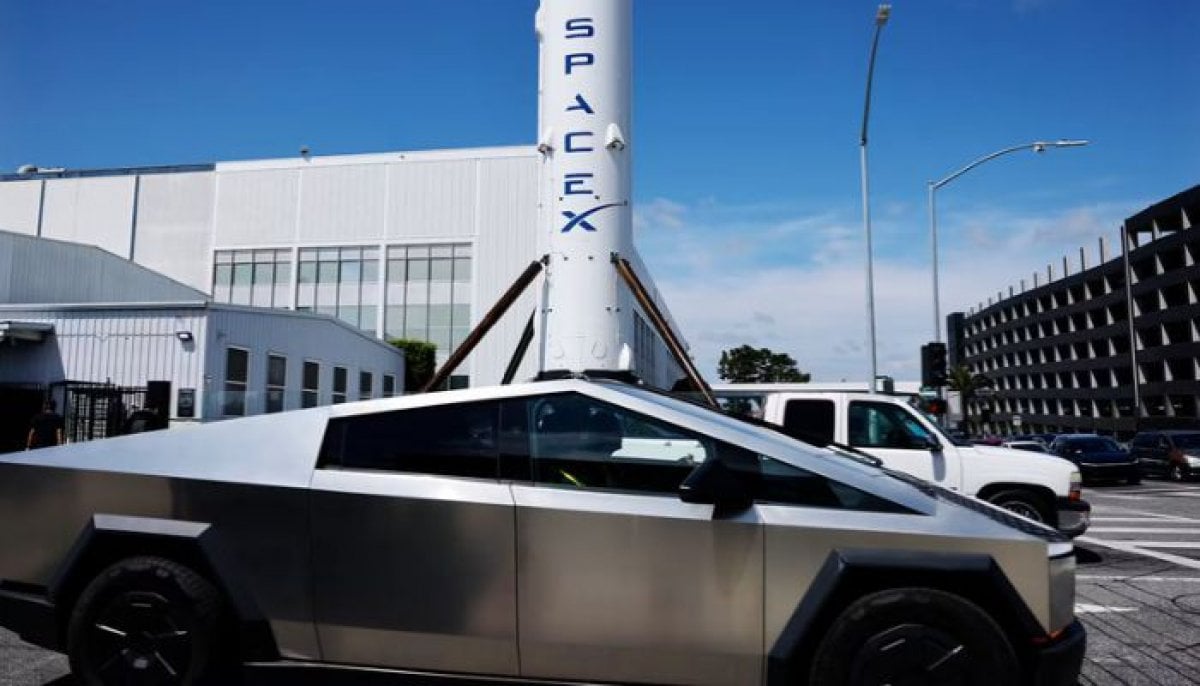 Tesla, SpaceX merger could create $3.5tn giant
 -
 Meta sued in Australia over alleged social media addiction among children
 -
 US bank accounts at risk as unauthorised AI agents gain access
 -
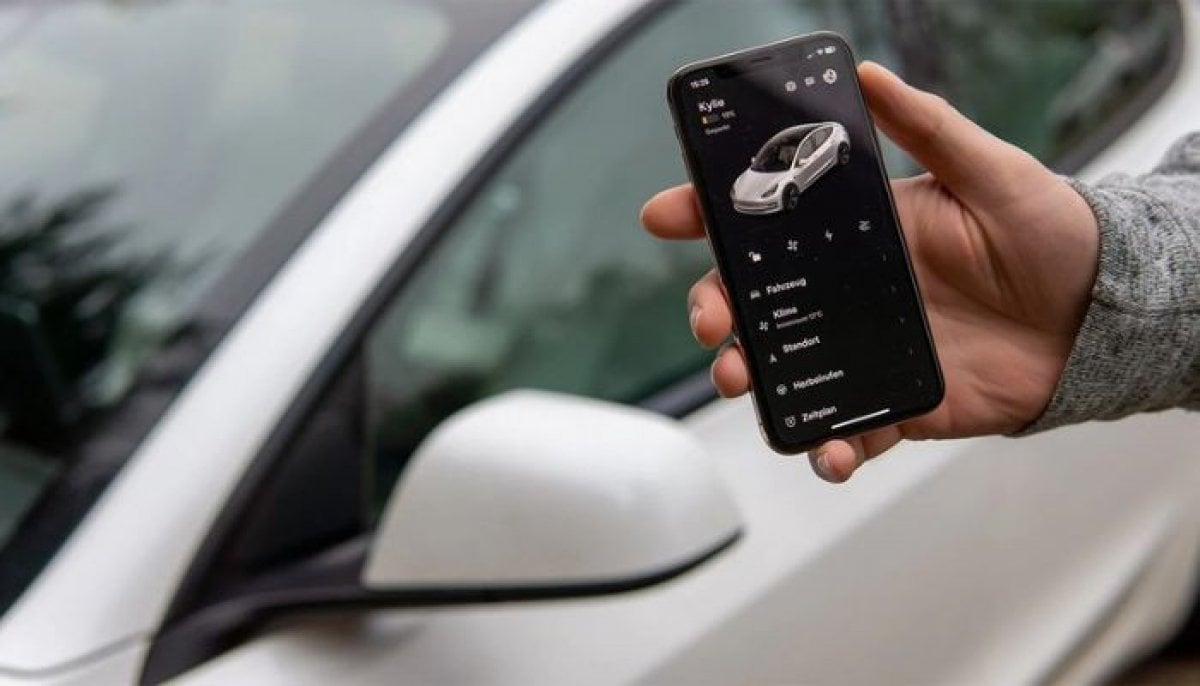 Tesla app 4.62 adds iPad support in 2 columns
 -
 PHP security vulnerability triggers millions of exploit attempts, Cloudflare warns
 -
 Is Apple’s iPhone Duo worth buying? Marques Brownlee weighs in