Oxford gives OpenAI access to Bodleian Library for AI training
Oxford announced partnership with OpenAI in March 2025, allowing its software to digitise texts from the library
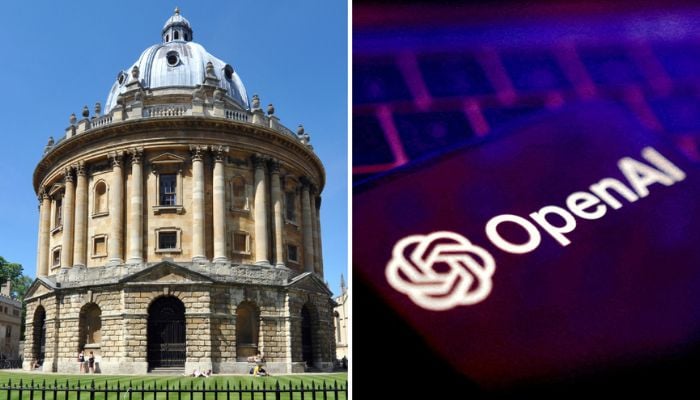
The University of Oxford has given OpenAI access to its Bodleian Library’s historical texts that the ChatGPT maker can use to train its AI models.
According to internal documents as reported by The Guardian, “The Bodleian material digitised by OpenAI has been used to populate the OpenAI training set,” so the AI could learn language patterns.
The revelation is a part of partnership that the university announced with the tech company in March 2025, allowing OpenAI software to digitise texts from the library aimed at facilitating the students and researchers.
But the announcement did not explicitly mention that the digitised material would specifically be used for OpenAI’s models training. These systems process massive amounts of information to recognize linguistic patterns, enabling them to construct complete sentences and execute cognitive functions.
However, Oxford has disputed claims that it hid the model-training part of the deal from staff and public.
The Oxford spokesperson said, “The material digitised through the project with OpenAI is modest in scale, out of copyright, and OpenAI’s use of the material is not exclusive.
“The Bodleian libraries also retain the rights to make the digitised material available themselves, and the library will begin to publish these materials openly online in the next few months, as we do with outputs from other digitisation partnerships.”
The Bodleian's collections remain fully intact, unlike standard practice in some second-hand book acquisitions.
According to an OpenAI spokesperson, by using the ancient texts for training, modern AI models can preserve historical knowledge while reflecting diverse cultures and histories across the world.
“With more than a billion people using this technology in everyday life, it’s important it reflects different cultures, histories and perspectives,” they added.
But this disclosure raised concerns among the staff including members of the Bodleian governance committee over the reputational risk after collaborating with OpenAI.


-
 Samsung to use TSMC's 3nm process for Nvidia's next-gen AI memory chips
 -
 Microsoft scraps UK data center project with Nscale ahead of IPO
 -
 TSMC, Apple eye 1.4nm chips as costs surge ahead of 2028
 -
 New plan would let Americans share in AI gains through stock accounts: Here's how
 -
 Missed iPhone Duo pre-orders? Apple Store walk-ins may be out of luck
 -
 TikTok bans 3-hour Musk documentary account over 'violations'
 -
 AI could boost US GDP to $44 trillion by 2030, Anthropic model forecasts
 -
 What Anthropic's draft AI bill would let Washington block?