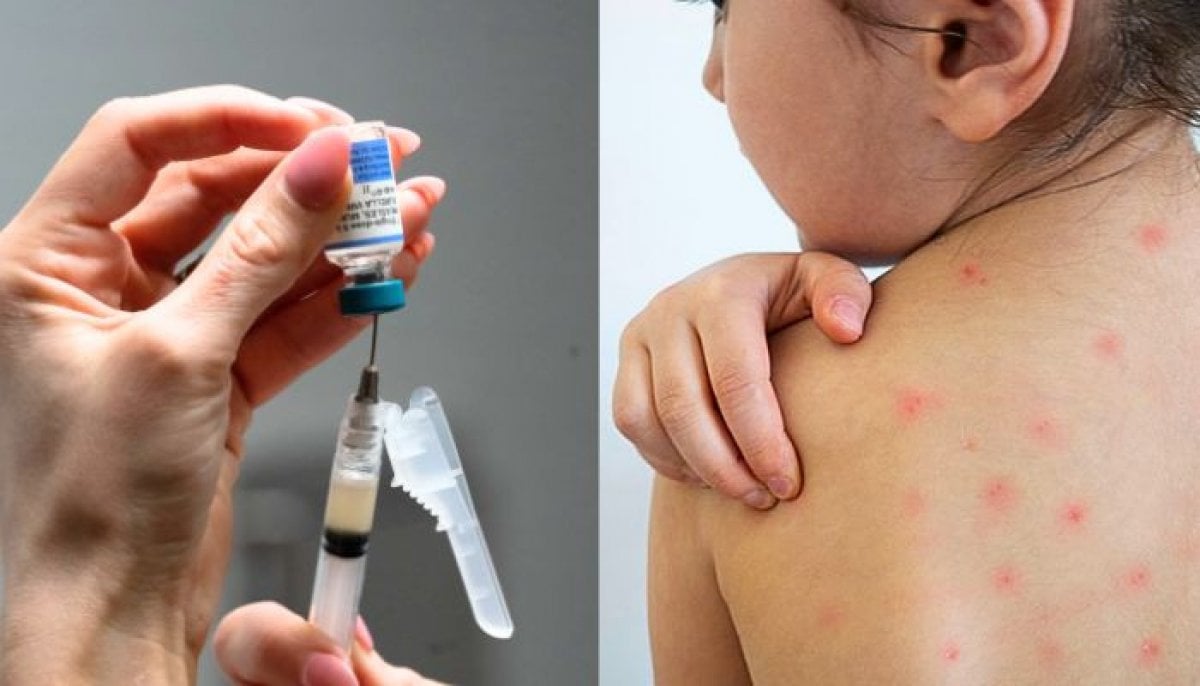
Rabies concerns grow in US, sparking health warnings over fatal virus
The CDC has issued a nationwide health alert following a 17% spike in human rabies exposures; essential guidance on symptoms and prevention explained
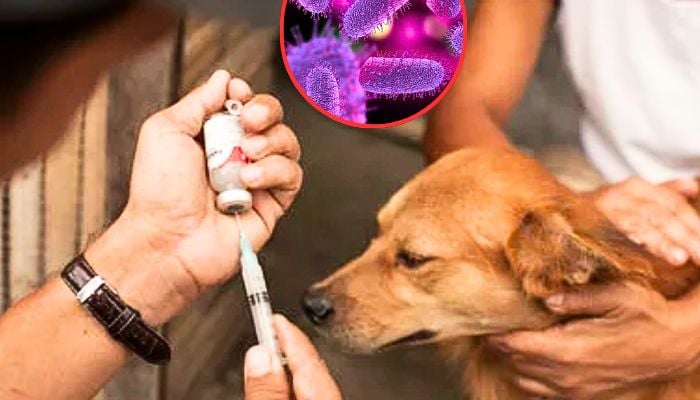
Concerns regarding rabies are growing across the United States following a notable rise in animal exposures, multi-county wildlife encounters, and an increased demand for preventative medical treatments.
The Centers for Disease Control and Prevention (CDC) issued an official Health Alert Network (HAN) advisory highlighting increases in recent animal rabies activity and associated human exposures.
Between July and August, the CDC recorded a 17% increase in rabies-related inquiries compared to the previous year.
Pharmacy data has similarly shown substantial spikes in the utilization of rabies vaccines and human rabies immune globulins.
Public health departments have reported localized outbreaks and mass exposure events, spanning typical wildlife vectors such as bats, raccoons, and skunks as well as less common animal incidents, including rabid beavers and livestock such as a confirmed case in a Minnesota dairy cow that triggered post-exposure treatments for multiple people.
Why is Rabies so dangerous?
Rabies is a viral disease that attacks the central nervous system, ultimately causing disease in the brain encephalopathy and proving fatally destructive once clinical symptoms appear.
Because the virus is almost entirely fatal after symptoms manifest, public health strategies focus heavily on preventing the disease before it reaches that stage.
If bitten, scratched, or exposed to the saliva of an unfamiliar or potentially rabid animal, thoroughly wash the wound with soap and water immediately for 15 minutes, and seek prompt medical attention.
When administered correctly and promptly before symptoms begin, the rabies vaccine series and immune globulin are remarkably effective at preventing the disease.
Health officials strongly advise the public to avoid approaching wild, stray, or sick-acting animals and to ensure that all domestic pets are kept fully up to date on their rabies vaccinations.


-
 Scientists discover hidden drainage route at the back of the eye
 -
 WHO confirms death at Russian research lab, says no plague case registered
 -
 Getting a $90 check from Social Security? Here’s why
 -
 Measles cases in US top 4,000 nationwide, CDC reports
 -
 Sexually transmitted diarrhea spread in US, UK: Why antibiotics are failing against Shigella
 -
 Who is Song Li? China puts her forward for WHO leadership role
 -
 CDC monitors travelers from Siberia after plague worker’s death, director says
 -
 Russia pushes back on plague death reports, defends WHO notification