Meta fights Ofcom over new WhatsApp and Instagram online safety requirements
Meta argued charges should not be based on a company's global revenue
Meta has launched a fresh legal challenge against UK media regulator Ofcom over how the Online Safety Act is being applied to WhatsApp and Instagram.
According to The Guardian, lawyers for the Facebook parent company filed an appeal against placing the two platforms in a category requiring additional responsibilities.
Those duties include greater transparency, stronger user controls, protections against fraudulent advertising and increased recording of illegal content.
The challenge comes after Meta launched separate legal action in May over Ofcom's method for calculating regulatory fees.
Meta argued charges should not be based on a company's global revenue.
Companies that breach the Online Safety Act can face fines of up to 10 percent of qualifying worldwide revenue or £18 million, whichever is higher.
TikTok and X have also launched legal action over information they are required to provide to Ofcom.
Oliver Griffiths, Ofcom's group director for online safety, told a House of Lords committee the regulator was “operating in a highly litigious environment”.
Meta said its legal actions were not challenges to the legislation itself.
“These are not challenges to the law itself, but how Ofcom has interpreted it,” a Meta spokesperson said.
The company said such challenges would help ensure the law is applied “proportionately, accurately and consistently”.


-
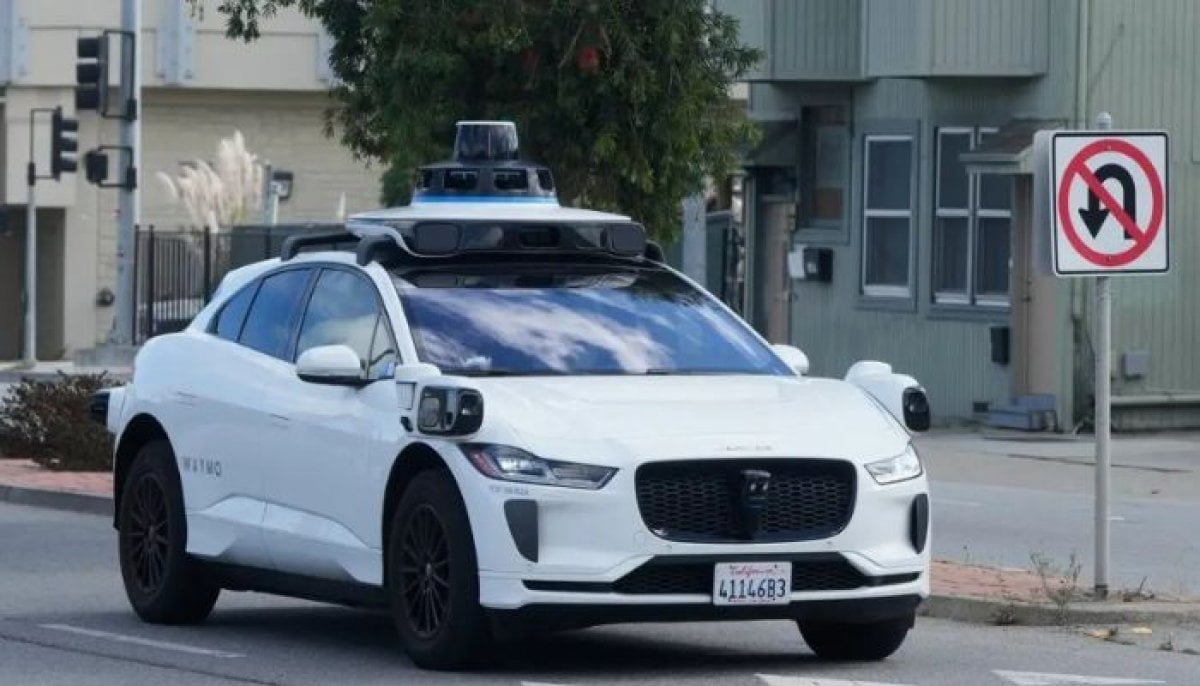 Google's Waymo to launch first Canadian robotaxi service in Toronto by 2028
 -
 UK regulator targets Microsoft’s business software over competition concerns
 -
 China proposes tighter AI export controls amid US rivalry
 -
 WhatsApp tests new way to request someone's location
 -
 China’s Tencent warns AI agents aren’t browsing the web as expected
 -
 Tesla unveils futuristic ‘flying’ sports car—but there’s a catch
 -
 Meta releases Muse Spark for Mac-optimized AI: What to know
 -
 OpenAI, Anthropic subpoenaed by FTC over AI safety incidents and consumer harms