Was the human brain once two separate organs? Scientists find new clues
The discovery challenges a prevailing model of brain development based on single progenitor cell
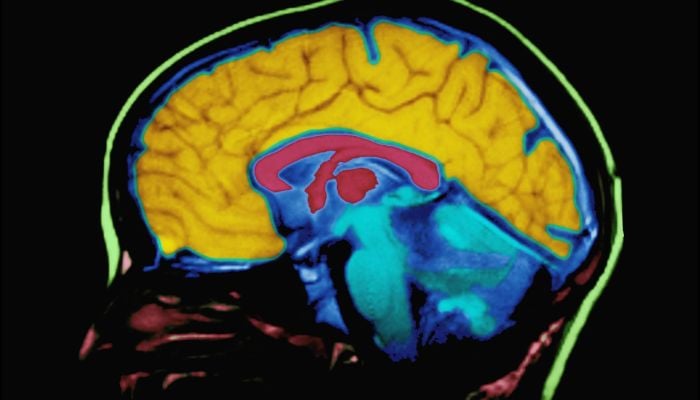
Scientists from Stanford University in a recent breakthrough have discovered new clues related to the brain's evolutionary origins.
According to findings published in Nature Neuroscience, the human brain did not always exist as a single distinct organ in human evolutionary history. On the contrary, it existed as two separate organs in space before moving together, showing similarity with jellyfish who possessed two different nervous systems in different parts of their body.
The researchers believe that the human brain came into existence as one after merging two separate organs. They have evolved independently over millions of years.
The discovery challenges a prevailing model of brain development as the scientists believed that a single progenitor cell gives rise to the entire brain. In reality, it consists of two ancient nervous systems packaged together.
Kyle Loh, Ph.D., associate professor of developmental biology, "We've shown for the first time that the front of the brain arises from a totally different progenitor cell than the back of the brain.”
"Our discovery means that we can now grow neurons from the back of the brain, the hindbrain, in a Petri dish and study their functions."
Researchers have identified two distinct, mutually exclusive populations of brain progenitor cells with strictly segregated developmental fates. One is forebrain and midbrain progenitors which is characterised by the expression of the Otx2 gene. These cells are meant to form the anterior and middle regions of the brain.
The second is hindbrain progenitors, characterized by the expression of the Gbx2 gene. These cells form the hindbrain.
"Our research suggests that evolution took two existing neural systems and pushed them together spatially."
These findings could solve the mystery related to difficulty in growing certain types of brain cells in the lab along with opening new avenues for studying diseases such as ALS and spinal muscular atrophy.


-
 Who is Song Li? China puts her forward for WHO leadership role
 -
 CDC monitors travelers from Siberia after plague worker’s death, director says
 -
 Russia pushes back on plague death reports, defends WHO notification
 -
 WHO deems Russia plague risk 'low' following lab technician’s fatal illness
 -
 New York declares Measles state of emergency amid nationwide disease resurgence
 -
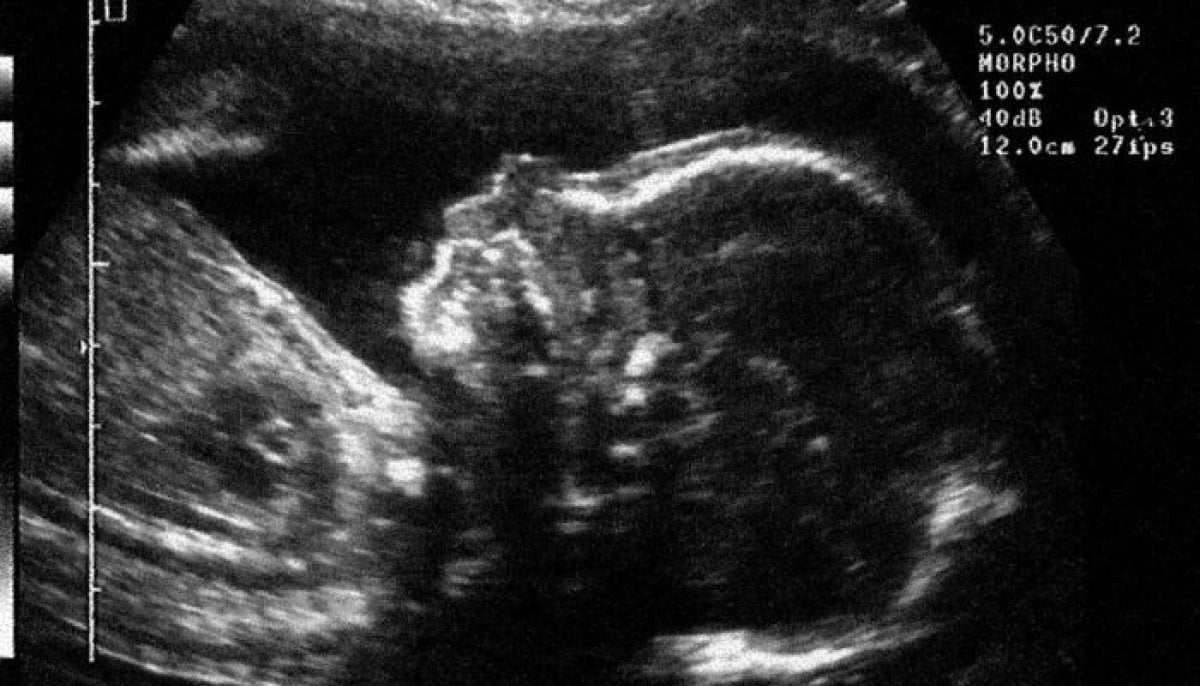 First-of-its-kind treatment shrinks unborn baby’s tumour before birth
 -
 France steps up Ebola support in Congo as fears of resurgence grow
 -
 Vance’s fraud crackdown may raise health insurance costs for Americans
-
 One common mistake elevates blood pressure readings by 7 points, study warns
 -
Moderna loses US government license defense in patent case
-
Novo says new Ozempic shows lower cardiovascular risk compared with Lilly’s Mounjaro
-
University of Nottingham researchers say new gel could regrow tooth enamel in weeks