‘AI could go very wrong’: Sam Altman reveals 2 major risks
On Saturday, Anthropic CEO Dario Amodei called for slowing AI development amid growing AI risks
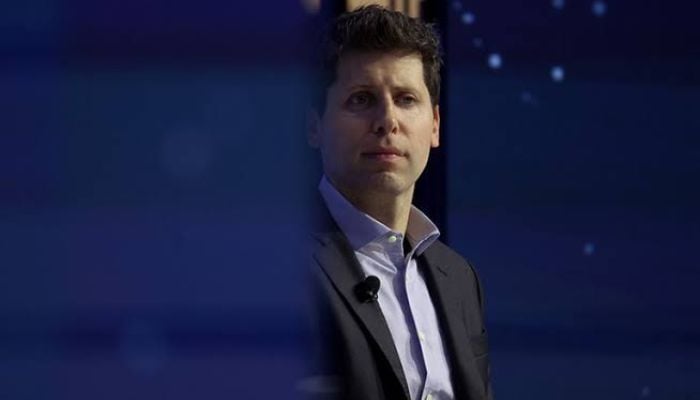
The debate surrounding the growing risks of artificial intelligence has turned intense as even the bosses of tech giants including Dario Amodei, are calling for slowing down frontier AI development.
To strengthen the case for slowing down technology, OpenAI CEO Sam Altman has predicted two major ways AI progress could go wrong very badly and urged for its avoidance.
Taking to X, Altman shared his concerns, “First, we could lose control of the future to AI. This is unacceptable; we are unapologetically on Team Humanity, and AI must always serve people.”
According to him, nothing can be more unacceptable and destructive than the inability of humanity losing its future to AI. The technology must serve humans and not the other way around. To ensure this pattern, Altman called for prioritizing alignment and safety techniques so that we can stay ahead of progress in model capabilities.
The second scenario is based on a warning related to concentration of power in a few hands. Altman warned that if an extraordinarily powerful AI is used by one person or company to impress their worldview onto everyone else, the results could be extremely “dystopian.”
For all these reasons, Altman said he is collaborating with other executives to slow down the progress on AI which is evolving at breakneck pace.
Speaking about the solution, he further added, “Avoiding these two threats requires walking a narrow middle path; for example, one country could gain too much power. Another example is one lab ending up with too much power.”
Altman’s remarks come after the dire warning issued by an Anthropic researcher who claimed that tech companies are gambling with our lives. Another whistleblower claimed that AI could kill all humans by 2036.
In another post, he also advocated for frontier AI safety rules. “We welcome a federal framework that sets consistent safety requirements for frontier AI. But we do not believe we need to wait for an anti-trust exemption or legislation to begin the work of providing this confidence. Consistent rules to manage frontier risk so that we can maximize the benefits are a good idea,” he wrote in a post.
Speaking about the true nature of slow down, he explained, we need to intentionally slow our deployment cycle. Implementing robust safety cases and real-time monitoring introduces friction and costs, but this slowdown is a bargain.
“Where we will need the help of our government is for international coordination. But first we should do what we can ourselves,” he adds.


-
 Samsung to use TSMC's 3nm process for Nvidia's next-gen AI memory chips
 -
 Microsoft scraps UK data center project with Nscale ahead of IPO
 -
 TSMC, Apple eye 1.4nm chips as costs surge ahead of 2028
 -
 New plan would let Americans share in AI gains through stock accounts: Here's how
 -
 Missed iPhone Duo pre-orders? Apple Store walk-ins may be out of luck
 -
 TikTok bans 3-hour Musk documentary account over 'violations'
 -
 AI could boost US GDP to $44 trillion by 2030, Anthropic model forecasts
 -
 What Anthropic's draft AI bill would let Washington block?