UK Parliament urges comprehensive AI bill to tackle human rights threats and regulatory gaps
The joint committee on human rights warns that existing legislation is completely unequipped to manage technology risks, demanding a new statutory oversight regime
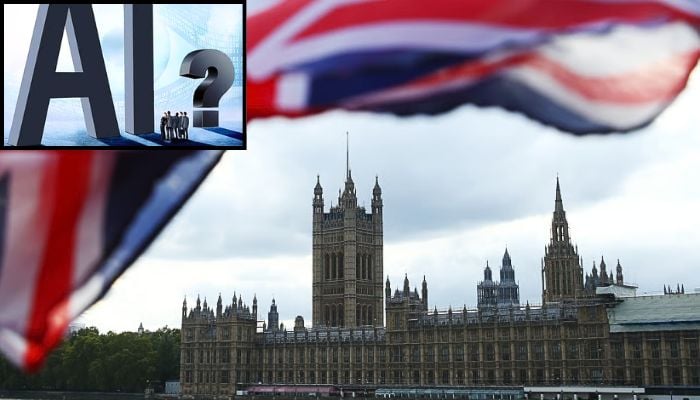
Following surging market panic over artificial intelligence (AI) extinction fears, the UK Parliament’s joint committee on human rights has issued an urgent demand for a comprehensive AI bill, warning that current legislative frameworks are entirely unprepared to handle the rapid expansion of advanced systems.
In a major report published by cross-party MPs and peers, the panel emphasized that existing laws place liability primarily on deployment users rather than system developers, creating dangerous blind spots across the technology supply chain.
The Joint Committee on Human Rights (JCHR) published a report calling for a new bill on AI to "address the scale and seriousness" of such threats.
"Nowhere in the world, including the UK, has a current legislative and regulatory approach to AI that is fit for purpose," said Labour MP and committee chair Alex Sobel.
A government spokesperson said AI is "advancing at an extraordinary pace" and is creating both opportunities and risks.
They said, "We're leading global efforts to test and understand AI, with the best-resourced security institute in the world, that will help us develop the standards and safeguards necessary to keep people safe."
On Saturday, the head of the US AI company Anthropic, Dario Amodei, proposed a plan calling for the regulation of AI.
Amodei's plan includes global regulation, industry-wide regulation and independent monitoring of AI models as they are developed.
Lawmakers pointed out that fragmented, sector-specific regulations fail to prevent foreseeable human rights abuses, ranging from non-consensual biometric tracking to systemic algorithmic bias affecting marginalized communities.
To combat these growing threats, the committee proposed the creation of a single independent regulatory body equipped with statutory enforcement powers to monitor performance and evaluate models before public release.
The findings arrive amid intensifying global discussions regarding the safe trajectory of artificial intelligence development, echoing parallel warnings from international human rights officials concerning unchecked technological power.
Experts argue that establishing strict statutory safeguards is essential to guarantee individual transparency and accountability before emerging automated harms materialize on a mass scale.
The joint committee on human rights warns that existing legislation is completely unequipped to manage technology risks, demanding a new statutory oversight regime.
He also urged the pace of development to be slowed down and the bosses of two rival AI firms, Sam Altman of OpenAI and Elon Musk, said they agreed with him.


-
 Pakistan, Turkiye, Saudi Arabia activate Makkah pact's defense commitments
-
 Quebec voters could bring back separatist Parti Québécois to power
-
 Toronto Pearson gold heist trial begins more than 3 years after $20mn theft
-
 France school protests: 15-year-old loses hand after picking up police grenade
-
 Cornell police sought phone evidence that lawyer says never reached prosecutors
-
 Warnings over Christa Pike’s veins were raised before failed execution, lawyer says
-
 Karoline Leavitt joins Fox News after stepping down as White House press secretary
-
 Ex-House speaker Dennis Hastert dies at 84, years after molestation allegations