How Europe may accelerate space launches to meet growing satellite demand
Europe is aiming to expedite space launches to meet satellite demand
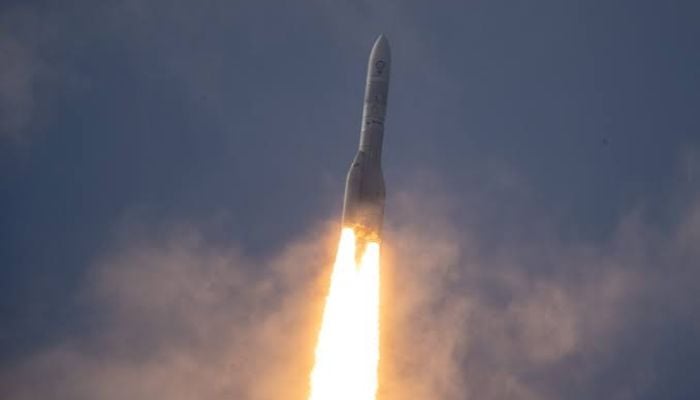
The European Space Agency is expanding its space launch efforts through updated schedules for the Ariane 6 and Vega-C rockets in the coming years to meet growing demand and keep pace with rising competition in the space industry, according to the head of the 23-nation body on Wednesday.
The primary motive behind this decision will soon become clear as demand is estimated to surge sharply and peak in 2030.
According to Aschbacher, this situation is primarily based on demand surpassing planned capacity driven by Europe’s own missions as well as further interest from Amazon and other commercial operations.
“We're investigating the costs, the benefits ... you can imagine this is not trivial,”
“We are already advanced in some of these estimates, but it's also clear that if we want to satisfy launch requirements in 2030 ... we need to make a decision pretty soon to build up the capacities needed, he continued.”
Nonetheless, the US and China are also advancing their preparations for potential warfare in space with spacecraft designed to track, approach and destroy enemy space assets.


-
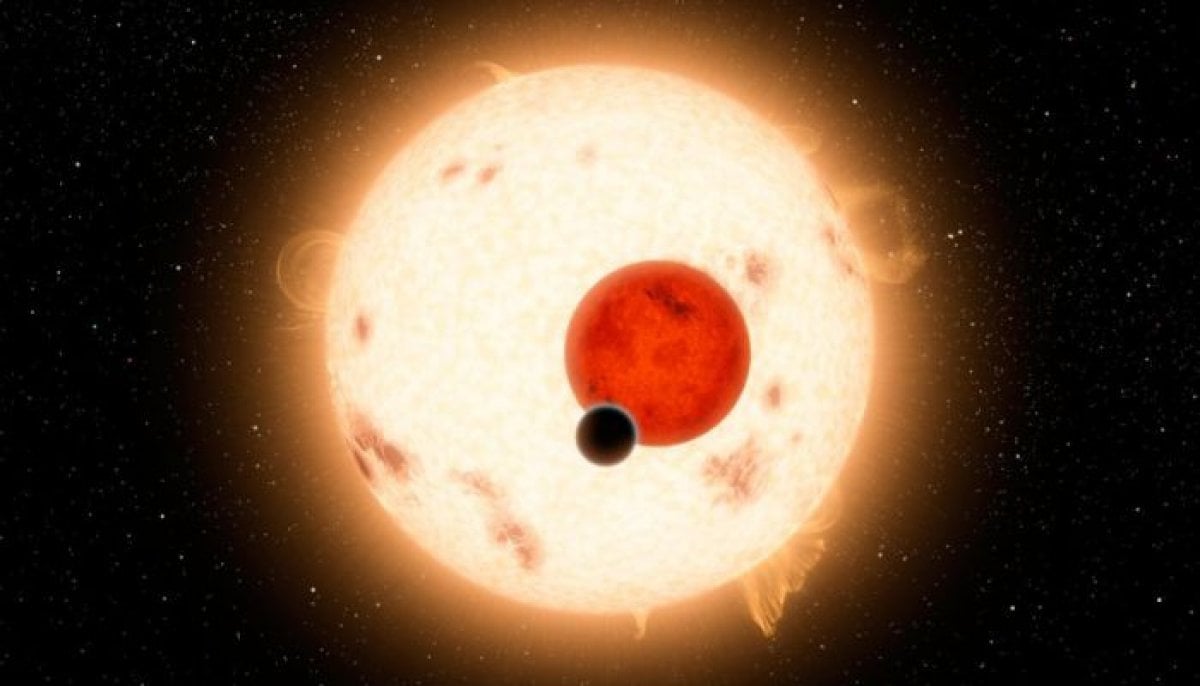 Chinese astronomers discover real-life three-body system unlike Liu Cixin’s fiction
 -
 Hunter’s Moon 2026: When and how to watch October’s full moon
 -
 Elon Musk’s Mars colonization dream faces reality check from Nobel laureate
 -
 NASA competition model 2.0 cuts mission selection by 45%
 -
 A ‘neglected’ neutrino may hold the key to why the Universe exists
 -
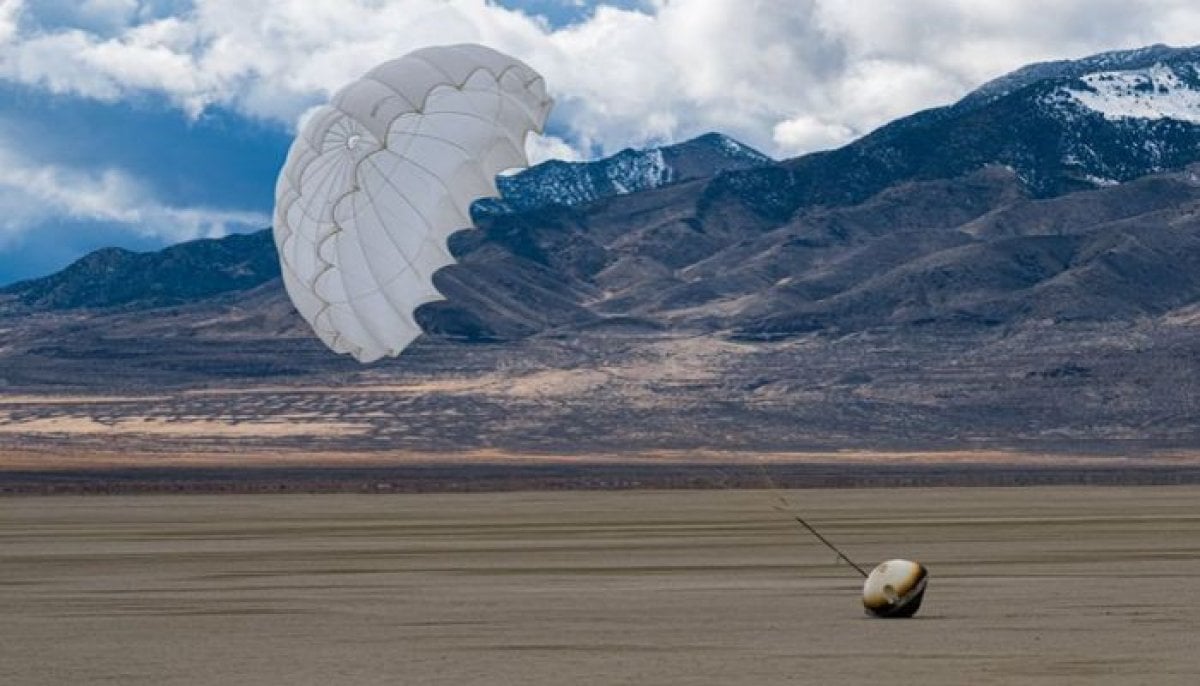 Can cancer drugs be made in space? Here’s what the new mission aims to find out
 -
 SpaceX Falcon 9 successfully launches Bandwagon-5 mission with 32 payloads
 -
 Europe launched 8 orbital rockets last year, can it rival Starlink?