Ukraine rejects IMF-linked parcel tax as billions in foreign aid hang in balance
Lawmakers rejected a tax on parcels worth under €150, putting key IMF and EU funding commitments under pressure as Ukraine faces growing financial needs
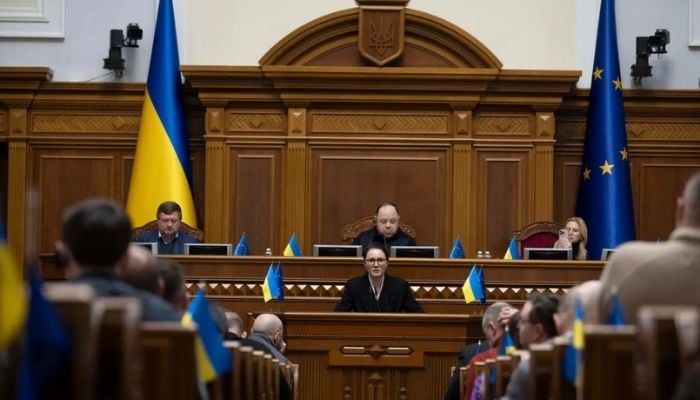
In a recent update Ukraine’s parliament (the Verkhovna Rada) fell well short of the required majority, securing only 194 votes out of the 226 needed to pass a controversial bill removing tax exemptions on international parcels.
Ukraine's path to vital international financial lifelines has hit a sudden legislative roadblock, leaving billions in foreign aid hanging in the balance.
At the heart of the crisis is a high-stakes clash between mounting wartime budget demands and the immediate financial survival of citizens already strained by years of conflict.
As international lenders review Kyiv's progress, the failure to push the reform through highlights the precarious balancing act Ukrainian leaders face as they try to keep the nation's economy afloat.
An IMF monitoring mission is in Ukraine this week to review its lending programme.
"We have $30 billion, this is the amount we can, and should receive from our partners this year, provided we fulfil the commitments we have made. The relevant decisions are in our hands ..." Koretskyi said at the start of a parliamentary session.
"Not all decisions that we agreed with our partners have been made, and our obligations to them have not been fully met. Unless these issues are resolved, the country may face significant financial risks."
The government needed 226 votes for it to pass but got only 194. It was not immediately clear how many lawmakers voted against the bill, or were absent from the session.
The legislation is a strict structural benchmark tied directly to multi-billion-dollar aid disbursements from the International Monetary Fund (IMF) and the European Union.
Lawmakers warned that the failure to pass the reform jeopardizes imminent international tranches as Ukraine navigates a massive defense funding deficit.
The proposed measure aims to eliminate the existing duty-free threshold for foreign packages valued under €150.
While the finance ministry estimates the tax would generate roughly 10 billion hryvnias ($227 million) annually, opposing lawmakers argued that the tax would further burden citizens already struggling with a high cost of living amid the ongoing war.
With an IMF monitoring mission currently reviewing Kyiv's lending program, government officials are urgently pushing for a path forward to prevent a major external financing freeze.


-
 HSBC to phase out fixed-pay allowances by 2028 in major compensation overhaul
 -
 TotalEnergies expands US renewable venture with KKR in $1.2B solar portfolio deal
 -
 Australian telecom shares tumble as SpaceX moves closer to direct-to-cell market
 -
 World Bank in crisis aid talks with dozens of nations amid global shocks
 -
 Deutsche Bank chief explains why German election results alarm foreign investors
 -
 China orders development of national blockchain network in economic blueprint: Here’s why
 -
 Tesla renames 'full self-driving' to 'assisted driving' in Europe: What to know
 -
 US sanctions ICC hours after former judge wins Nobel Prize: What to know