GLP-1 drugs cut US obesity from 39.9% to 36.4%
Chronic disease drives $1.3 trillion in US healthcare spending, GLP-1s and generative AI offer a new fix
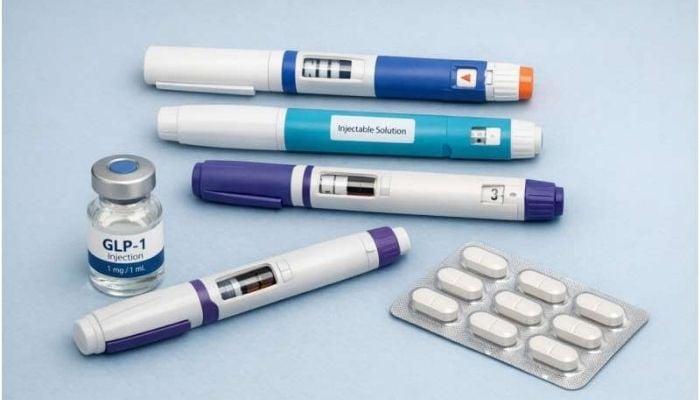
America's obesity rate just did something it hasn't done in decades: it fell. Gallup data shows the adult obesity rate dropped from a record 39.9% in 2022 to 36.4% in 2026, tracking almost exactly with a surge in GLP-1 medication use, a rare bright spot in a healthcare system where national spending topped $5.7 trillion last year and is projected to reach $9 trillion by 2034.
There are five chronic diseases, namely obesity, diabetes, cardiovascular diseases, cancer, and dementia, which contribute over $1.3 trillion in annual US health care costs, according to published estimates. Conventional means of reducing cost, such as prior authorisation and benefit reductions, have failed to affect this trend.
Two recent innovations, namely GLP-1 drugs and generative artificial intelligence, provide a new approach to this problem, namely prevention and early detection of chronic diseases where there is no problem.
Clinical studies have shown that adult patients who do not have diabetes have lost about 20% of their body mass in 72 weeks due to tirzepatide, which is marketed as Zepbound. Moreover, they have lower incidence rates of prediabetes transitioning into diabetes.
With oral GLP-1 formulations now available, uptake has climbed further among patients who previously avoided injections. Still, no medication prevents every case of hypertension or heart failure; hypertension alone affects 48% of American adults, yet fewer than a quarter have it under control, contributing to over 680,000 deaths and roughly $220 billion in costs in 2024.
At Cedars-Sinai Connect, a virtual urgent care clinic, independent physician reviewers rated AI-generated treatment recommendations as optimal in 77% of 461 visits, compared with 67% for physicians' own decisions.
Generative AI connected to home monitoring devices could extend that advantage to chronic disease management, flagging failing treatments between the quarterly visits most patients currently rely on.
The Centers for Medicare & Medicaid Services has already piloted one affordability model: its Medicare GLP-1 Bridge caps beneficiary copayments at $50 a month.


-
 Eli Lilly’s Foundayo weight-loss pill gets European approval recommendation
 -
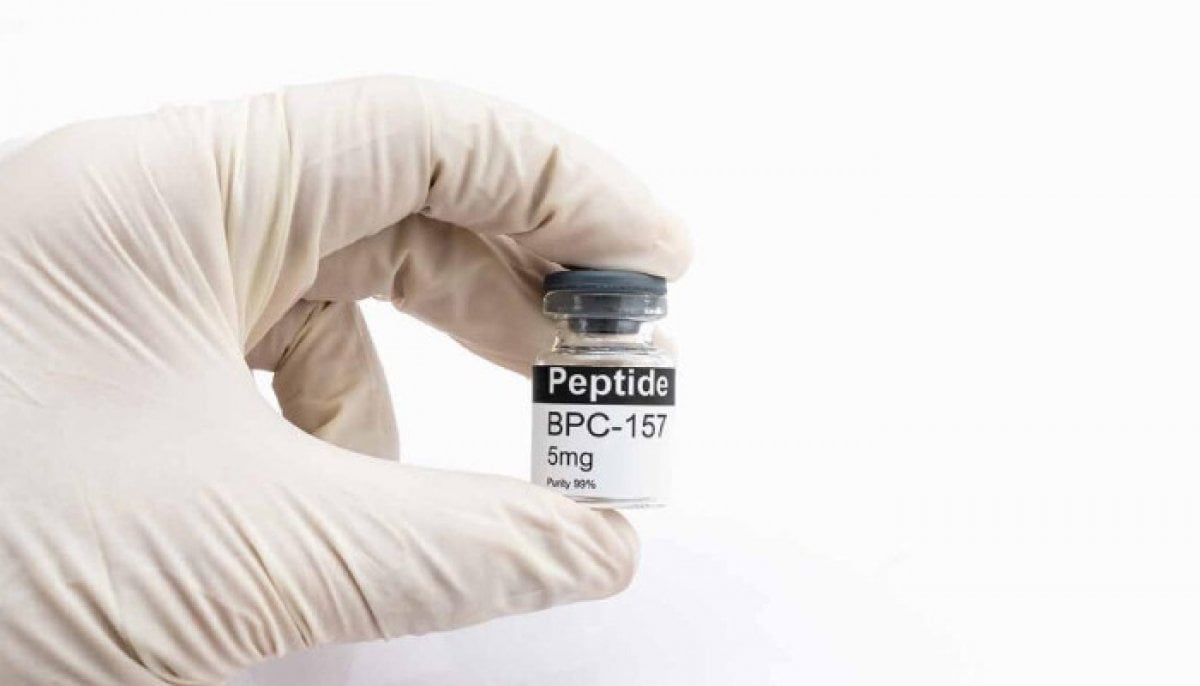 What is BPC-157? Trump administration considers easing rules on popular peptide injections
 -
 West Nile virus: Europe reports 141 deaths as human cases rise in 2026
 -
 Health Canada reviewing new mRNA flu vaccine that could prevent more hospitalisations
 -
 Scientists discover hidden drainage route at the back of the eye
 -
 WHO confirms death at Russian research lab, says no plague case registered
 -
 Getting a $90 check from Social Security? Here’s why
 -
 Measles cases in US top 4,000 nationwide, CDC reports
-
 Sexually transmitted diarrhea spread in US, UK: Why antibiotics are failing against Shigella
 -
Who is Song Li? China puts her forward for WHO leadership role
-
CDC monitors travelers from Siberia after plague worker’s death, director says
-
Russia pushes back on plague death reports, defends WHO notification