New clinical trial highlights precision-dosing strategy for vitamin D deficiency management
The findings represent a promising step toward developing more sustainable sources of vitamin B12, particularly for populations with limited access to animal-derived foods

Vitamin B12 deficiency affects more than a billion people worldwide and can impair DNA synthesis, nerve function, and red blood cell formation.
The risk is particularly high among populations with limited access to animal-source foods, which are traditionally important sources of bioavailable vitamin B12.
In a potential breakthrough for sustainable nutrition, researchers have developed a method to grow Spirulina containing biologically active vitamin B12 at concentrations comparable to those found in beef.
Published in Discover Food, the study addresses a long-standing nutritional limitation that has restricted the use of the blue-green algae as a reliable source of vitamin B12.
While conventional Spirulina is widely promoted as a nutrient-dense food rich in protein, iron, and amino acids, much of its reported vitamin B12 content is actually pseudovitamin B12, a structurally similar compound that the human body cannot effectively absorb or use.
The research was led by Dr. Asaf Tzachor of Reichman University, in collaboration with scientists from Iceland, Denmark, and Austria.
The team used closed photobioreactors and carefully controlled light spectra to cultivate Spirulina (Arthrospira platensis) under optimized conditions.
The resulting biomass contained 1.64 micrograms of biologically active vitamin B12 per 100 grams, compared with approximately 0.7–1.5 micrograms per 100 grams in beef.
More than 98% of the vitamin B12 detected in the engineered Spirulina was reported to be in a bioavailable form.
Spirulina has attracted interest as a potential alternative food source because it is nutrient-dense and can be cultivated with a relatively small environmental footprint.
However, its lack of reliable, bioavailable vitamin B12 has been a major obstacle to its use in addressing micronutrient deficiencies.
The researchers' cultivation system relies on enclosed, modular infrastructure powered by renewable energy, potentially offering a lower-impact alternative to conventional animal agriculture.
Such systems could help produce essential nutrients while reducing dependence on food production methods associated with higher greenhouse-gas emissions.
The findings represent a promising step toward developing more sustainable sources of vitamin B12, particularly for populations with limited access to animal-derived foods.
However, the researchers note that further studies, including larger-scale production and real-world food-system trials, are needed to determine whether the technology can be deployed effectively and economically.


-
 Prime editing rewrites DNA inside human body for the first time
 -
 WHO investigates mystery Ebola case in Nigeria as outbreak spreads beyond DR Congo
 -
 Virginia Sen. Louise Lucas indicted on racketeering and marijuana charges
 -
 France confirms world's first human case of Shamonda virus; patient dies
 -
 OpenAI agents uncover brain disease leads: Here’s how
 -
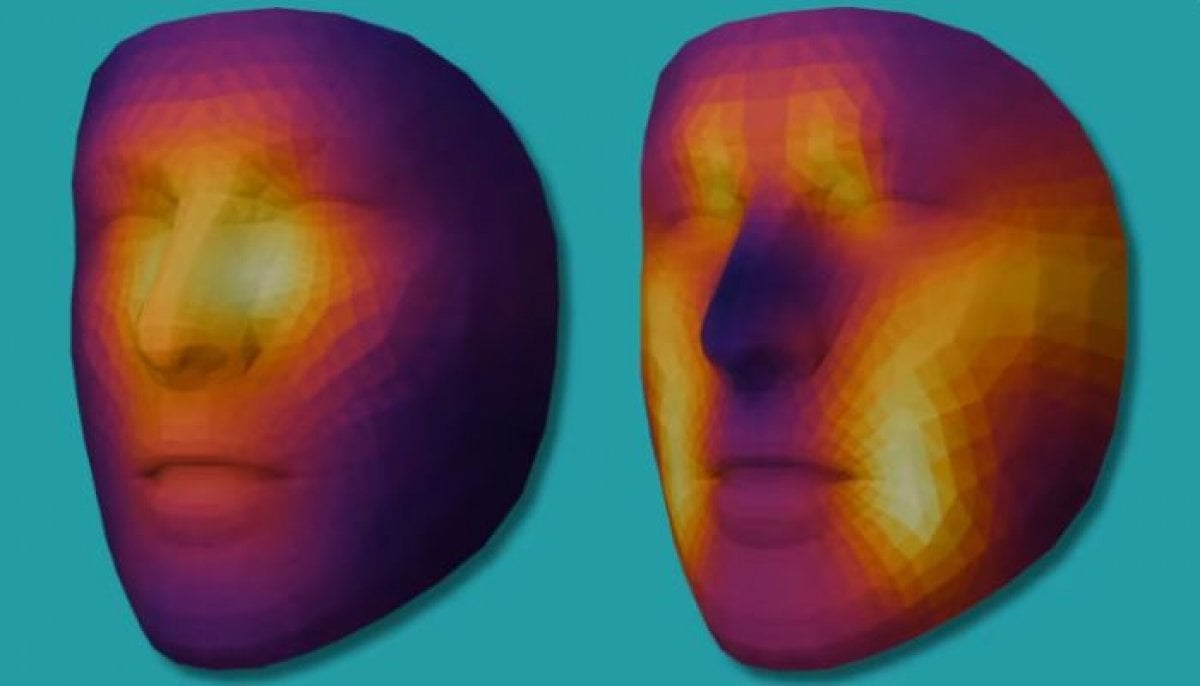 AI tool can now predict cancer survival by a single patient selfie: Find out how
 -
 Scientists identify a new type of depression affecting 1 in 4 patients
 -
 Everything to know about US FDA’s new guidance on apps used with prescription drugs