AI tool flags severe heart failure with 91% sensitivity
Guangxi Medical University researchers used 13 routine blood markers to build a heart failure triage model
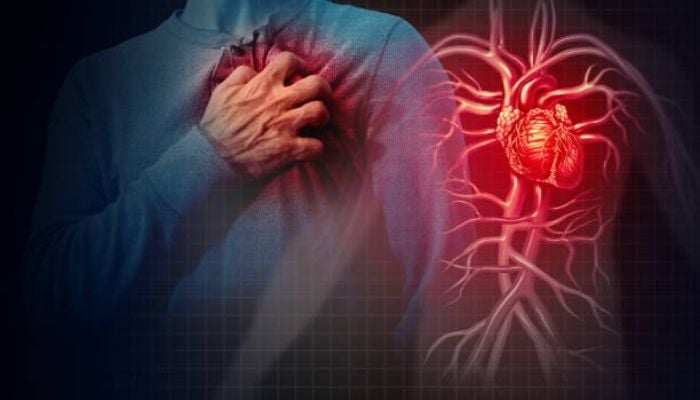
Adjusting a single decision threshold turned an ordinary blood panel into a tool that caught 91.2% of severe heart failure cases without a single echocardiogram.
Researchers led by Zhiping Meng at the Eighth Affiliated Hospital of Guangxi Medical University in Guigang, China, built the model using data from 1,480 hospitalised chronic heart failure patients, split between 377 with the reduced-ejection-fraction form (HFrEF) and 1,103 with the mildly reduced or preserved forms.
Rather than relying on cardiac imaging, the team trained six machine-learning algorithms on 13 indicators already measured in standard blood draws, hunting for a way to flag high-risk patients before echocardiography.
All patients diagnosed with HFrEF displayed greater concentrations of proBNP, blood urea nitrogen, total and direct bilirubin, gamma-glutamyl transferase, haemoglobin, and uric acid compared to patients from less severe groups.
The random forest and XGBoost algorithms proved to be the most discriminative models, obtaining an AUC of 0.789 for both of them, whereas logistic regression performed similarly with 0.784 with strong calibration.
According to the SHAP method that estimates the contribution of each variable to a model's prediction, proBNP became the most significant parameter.
With default model settings, the random forest model was too insensitive to HFrEF cases to be clinically valuable.
However, lowering the classification cut-off to 0.15 would increase the sensitivity of the tool to 91.2% and its negative predictive value to 93.5%, values sufficiently high to consider the tool a triage aid that prioritises which patient needs echocardiography.
"The model should be regarded as an adjunctive triage tool pending external and prospective validation, not as a substitute for echocardiographic phenotyping." This point was explicitly made by the authors of the paper.


-
 New personalized cancer vaccine cuts Melanoma recurrence risk by 42%, trial shows
 -
 Prime editing rewrites DNA inside human body for the first time
 -
 WHO investigates mystery Ebola case in Nigeria as outbreak spreads beyond DR Congo
 -
 Virginia Sen. Louise Lucas indicted on racketeering and marijuana charges
 -
 France confirms world's first human case of Shamonda virus; patient dies
 -
 OpenAI agents uncover brain disease leads: Here’s how
 -
 AI tool can now predict cancer survival by a single patient selfie: Find out how
 -
 Scientists identify a new type of depression affecting 1 in 4 patients
-
 Everything to know about US FDA’s new guidance on apps used with prescription drugs
 -
‘Immortal’ jellyfish could hold clues to slowing human ageing
-
Ebola crisis worsens in DR Congo as virus reaches eighth province with over 4,500 dead
-
Study finds eating blueberries every day can surprisingly boost your mood