New discovery reveals how the brain could turn off chronic pain
A new study reveals researchers discovered a brain-based 'brake' that can shut down chronic nerve pain in mice by calming an overactive pain circuit
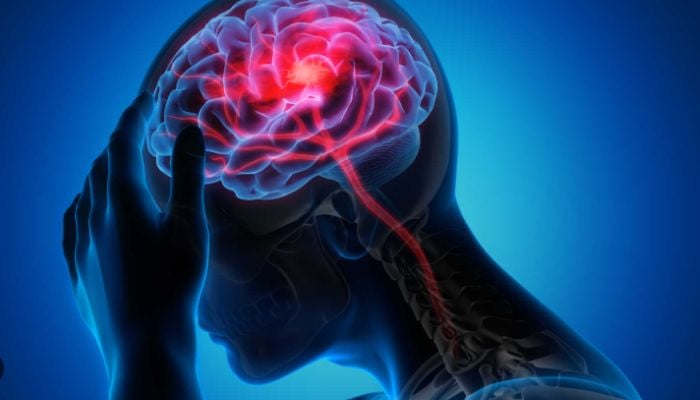
Imagine living with an invisible fire under your body or constant discomfort that never goes out, where even a gentle breeze or a soft touch feels like a shock.
For the more than 1.5 billion people worldwide battling chronic pain, this is the exhausting daily reality.
Traditional treatments often force an impossible choice as it suffer through relentless nerve damage, or risk the heavy side effects and addiction traps of systemic opioids.
But now, neuroscientists have unlocked a 'game-changing' secret hidden deep within our own biology—a master control switch that could finally teach the brain how to turn the agony off.
A new study reveals researchers discovered a brain-based “brake” that can shut down chronic nerve pain in mice by calming an overactive pain circuit.
Targeting this system more precisely could one day lead to powerful pain relief without affecting opioid receptors throughout the entire body.
Researchers at the Washington University School of Medicine in St. Louis have uncovered a neural mechanism deep within the brain that acts as a biological "brake" to shut down chronic neuropathic pain.
As informed by the scientists the research was focused on the locus coeruleus, a small region at the base of the brain heavily involved in stress, alertness, and pain regulation.
The researchers found that specific receptors within this region, namely 'mu opioid receptors'—serve as a molecular brake that can suppress hyperactive pain pathways.
As informed, ordinarily, this circuit helps keep pain signals in check. However, chronic nerve injury transforms the locus coeruleus into an active driver of pain, effectively disabling the brain's natural ability to suppress abnormal, shooting, or burning sensations.
Study reveals, current opioid treatments (like morphine or fentanyl) flood receptors throughout the entire central nervous system and body, leading to heavy side effects, tolerance, and high risks of addiction.
Published in Current Biology, the findings point toward a promising new pathway for treating severe nerve pain without the widespread, addictive side effects of traditional, system-wide opioid medications.
Researchers believe future treatments could potentially be designed to engage mu opioid receptors exclusively within this specific brain region, giving new hope to treat pain.


-
 Health Canada reviewing new mRNA flu vaccine that could prevent more hospitalisations
 -
 Scientists discover hidden drainage route at the back of the eye
 -
 WHO confirms death at Russian research lab, says no plague case registered
 -
 Getting a $90 check from Social Security? Here’s why
 -
 Measles cases in US top 4,000 nationwide, CDC reports
 -
 Sexually transmitted diarrhea spread in US, UK: Why antibiotics are failing against Shigella
 -
 Who is Song Li? China puts her forward for WHO leadership role
 -
 CDC monitors travelers from Siberia after plague worker’s death, director says