Malaria outbreak at Frankfurt airport leaves two dead, six infected
Four other infected workers were treated in hospital and are now out of danger, according to Frankfurt's public health department

German health officials are investigating a rare malaria outbreak linked to Frankfurt airport after six workers became infected and two died.
The cases of malaria tropica, considered the most dangerous form of the disease, have been identified since July.
Four other infected workers were treated in hospital and are now out of danger, according to Frankfurt's public health department.
Officials have installed mosquito traps at Germany's largest airport and launched monitoring to determine how the infections occurred.
The Robert Koch Institute believes the cases may have been caused by an Anopheles stephensi mosquito transported to Germany aboard an aircraft.
The phenomenon, known as “airport malaria”, can occur when infected mosquitoes from malaria-endemic regions travel in aircraft cabins or baggage holds.
Health officials stressed that malaria cannot spread directly between people and said the risk to the wider public remains low.
“The mosquito is probably already dead,” Frankfurt health department chief Peter Tinnemann told broadcaster Hessische Rundfunk.
“Not everyone should assume that just because they have a headache, fever and nonspecific symptoms they are now infected with malaria because of the case at the airport,” he added.
Airport workers have been advised to watch for symptoms, while doctors have been asked to consider malaria in employees experiencing unexplained fever.


-
 Scientists discover hidden drainage route at the back of the eye
 -
 WHO confirms death at Russian research lab, says no plague case registered
 -
 Getting a $90 check from Social Security? Here’s why
 -
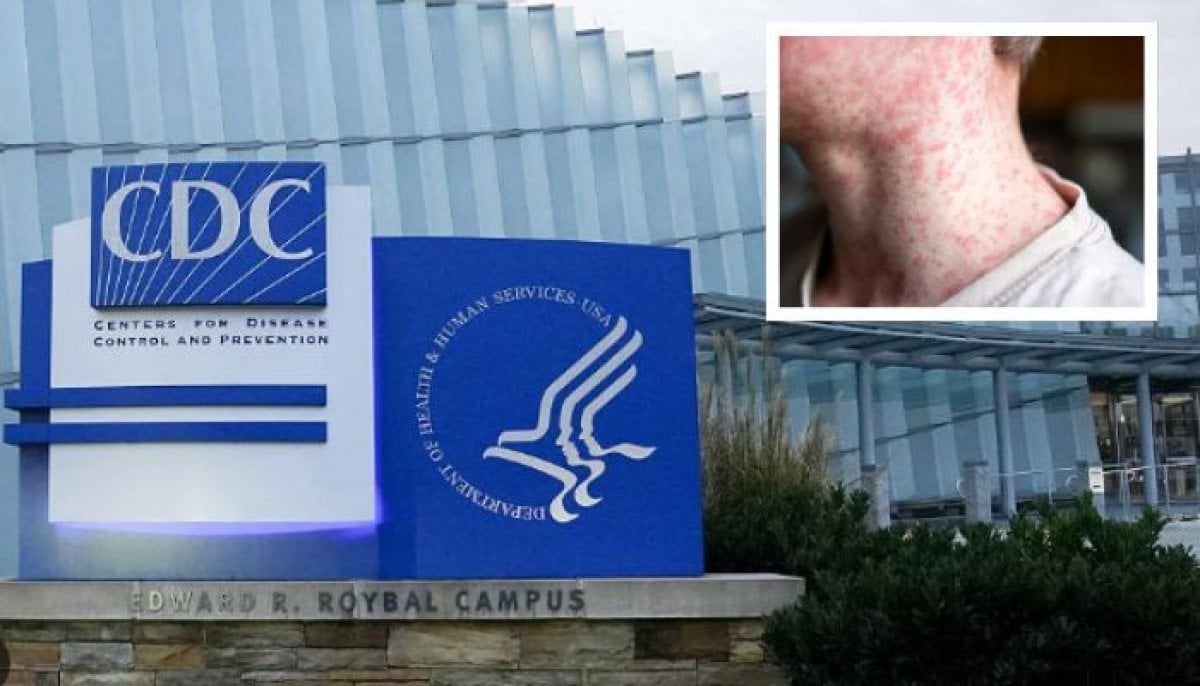 Measles cases in US top 4,000 nationwide, CDC reports
 -
 Sexually transmitted diarrhea spread in US, UK: Why antibiotics are failing against Shigella
 -
 Who is Song Li? China puts her forward for WHO leadership role
 -
 CDC monitors travelers from Siberia after plague worker’s death, director says
 -
 Russia pushes back on plague death reports, defends WHO notification