Trump administration eyes ban on Chinese AI models, including Kimi K3: Report
US companies rely on Chinese open-source AI models, thereby threatening America's dominance
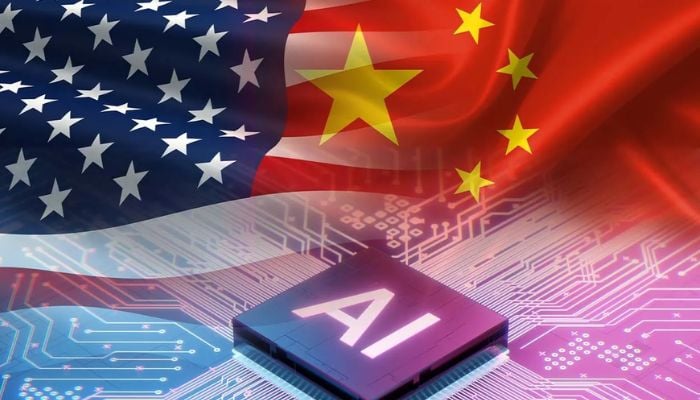
The Trump administration is considering a ban on Chinese AI models, aiming to restrict the US companies from using these cutting-edge artificial intelligence models.
As reported by Axios, rather than imposing an outright ban, the government is exploring the various other options. For instance, last year the Commerce Department considered adding Chinese AI labs to the “Entity List” to cut off the access.
The US companies are relying on open-source Chinese models because of their restriction-less nature and cost-effectiveness.
Other options of curbing the access to these models include issuing cybersecurity advisories to discourage adoption, implementing procurement rules or executive orders that place security liability on US companies using Chinese software, and leveraging supply chain authorities to target foreign open-source models.
The announcement comes after the Chinese AI startup Moonshot unveiled Kimi K3 which is a 2.8 trillion-parameter system. The release of this reportedly “largest open-weight AI model” has kept the tech giants on the edge due to its remarkable performance that closely challenges OpenAI and Anthropic.
Recently, it is reported that Kimi K3 found fixing 15 critical security bugs that Codex and Fable 5 refused to fix due to AI guardrails.
On Monday, Alibaba’s shares also surged after releasing a preview of its flagship largest open-weight AI model Qwen 3.8 Max models. As per resorts, it is only second to Anthropic’s Fable 5.
Given the capabilities of Chinese models, the experts warn of growing risks of cybersecurity attacks while calling for placing the restrictions.
What's actually happening is slower and more durable," one source familiar with government discussions shed light on the tactics such as procurement rules, Entity List threats and public pressure campaigns aimed at US companies using Chinese models.
According to pro-competition voices such as David Sacks, Chair of the President's Council of Advisors on Science and Technology, such restrictions or ban could stifle innovation and make America less competitive in the field of AI.
He posted on X, “There’s no reason to limit American models on tasks that Chinese models handle without issue. We’re only making ourselves less competitive.”


-
 Samsung to use TSMC's 3nm process for Nvidia's next-gen AI memory chips
 -
 Microsoft scraps UK data center project with Nscale ahead of IPO
 -
 TSMC, Apple eye 1.4nm chips as costs surge ahead of 2028
 -
 New plan would let Americans share in AI gains through stock accounts: Here's how
 -
 Missed iPhone Duo pre-orders? Apple Store walk-ins may be out of luck
 -
 TikTok bans 3-hour Musk documentary account over 'violations'
 -
 AI could boost US GDP to $44 trillion by 2030, Anthropic model forecasts
 -
 What Anthropic's draft AI bill would let Washington block?