FCC proposes ID checks to buy prepaid phones in US
Draft rule FCC 26-27 would require ID verification for all US phone service activations
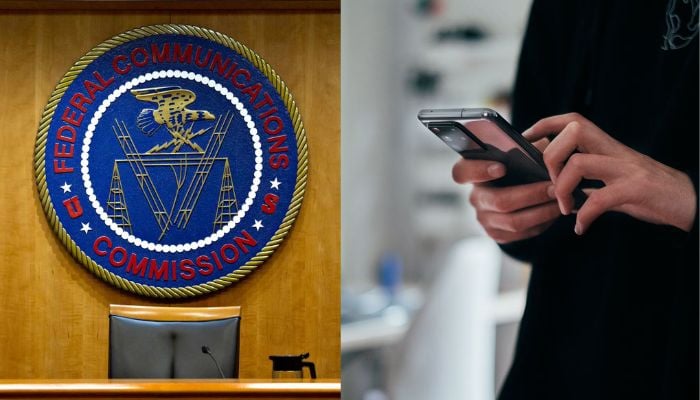
Buying a prepaid phone without handing over your identity may soon be off the table in the US. The Federal Communications Commission is weighing a rule that would require carriers and VoIP providers to verify a customer's full name, physical address, government-issued ID number, and an alternate phone number before activating or renewing service, according to Fortune's reporting on the draft proposal.
The draft, FCC 26-27, was adopted April 30, 2026, under the agency's long-running robocall docket and modelled on the "know your customer" standards banks use to screen account holders.
The FCC frames it as a tool against spam robocalls, though its own filing acknowledges the resulting database could also support investigations into national security concerns, espionage, and fraud. Public comments on the proposal were due June 25, with reply comments open until July 27.
These organisations state that the proposed regulation will become an unofficial national telephone registry in practice. In their united comments, the Electronic Frontier Foundation and ACLU refer to estimates suggesting that 15 million adult US citizens do not possess a driver's licence, while 2.6 million citizens have no identification card at all.
The addition of the address requirement makes the matter even worse, since such an address could be either a post office box or a forwarding service that is used by unhoused individuals and domestic abuse survivors in order to protect their privacy.
"The Know Your Customer rule of the FCC is misdirected and unhelpful," says Sydney Saubestre, a senior policy analyst at the Center for Democracy and Technology, saying it contradicts itself in its Safe Connections Act.
‘Critics also point to telecoms' track record on data security. AT&T disclosed in 2024 that hackers accessed call and text records for 109 million accounts, while Comcast's Xfinity division reported a 2023 breach exposing nearly 36 million account holders.
Centralising ID numbers and home addresses inside the same companies, opponents argue, would hand attackers an even more valuable target.


-
 AI chatbots of deceased loved ones may help people cope with grief, study finds
 -
 Elon Musk announces plan to open-source X codebase with 'no exceptions'
 -
 Apple Intelligence approved in China with Alibaba’s Qwen, Baidu AI integration
 -
 9 new emoji coming in 2027, from pickles to meteors
 -
 Will Google escape $1.7 billion EU fine? Top court hears appeal
 -
 Google Play Store opens to rivals starting July 22
 -
 YouTube cracks down on low-effort content with new monetization rules
 -
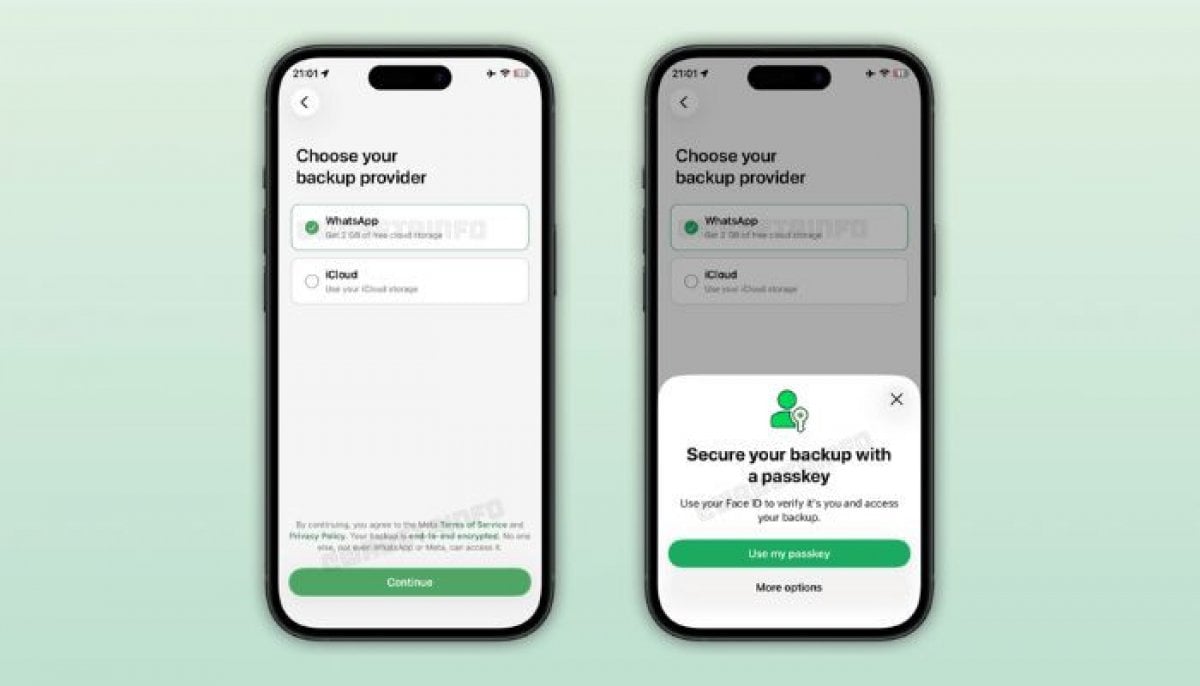 WhatsApp may let iPhone users skip iCloud backups