US crackdown on top AI models drives open-source growth
Open AI models are becoming popular among users due to minimum intervention and cost effectiveness

The US government’s restrictions on top AI models, including Anthropic and OpenAI have sparked the surge in open-source models, especially ones from China.
In early June, the Trump administration ordered Anthropic to suspend the access of Fable 5 and Mythos 5 to the public. Later, OpenAI faced the restrictions in releasing GPT-5.6.
When the US regulators imposed a ban on advanced AI models, the tech world was on edge due to its inability to use powerful models, shifting their focus towards the open-source models.
Here lies a major difference between closed and open-source models. In the former, companies retain control over the code and data and access is granted through subscription. Providers can restrict or revoke access at any time, making them vulnerable to government intervention and corporate policy changes.
On the contrary, in open-source models, developers release core files that can be downloaded and modified by anyone. Once released, they cannot be retracted or controlled by the original developer or a government.
Following the US intervention, the developers now see exclusive reliance on “frontier closed models” as a major business risk.
Besides growing governmental intervention, other factors are also at play responsible for the rise of open-source alternatives. For instance, rising costs of closed subscription and influence of Chinese models are pushing users towards open models.
On platforms like OpenRouter, the combined usage share of industry leaders like Google, OpenAI, and Anthropic dropped from 55 percent to 33 percent between January and June.
Earlier, the users feared Chinese open AI models over security reasons but the fear is also fading as the experts called fears ‘emotional rather than rational.”
While open-source is currently a solution to government overreach, experts warn that as open models continue to reach "frontier" performance levels, they may become the next target for international regulatory crackdowns.



-
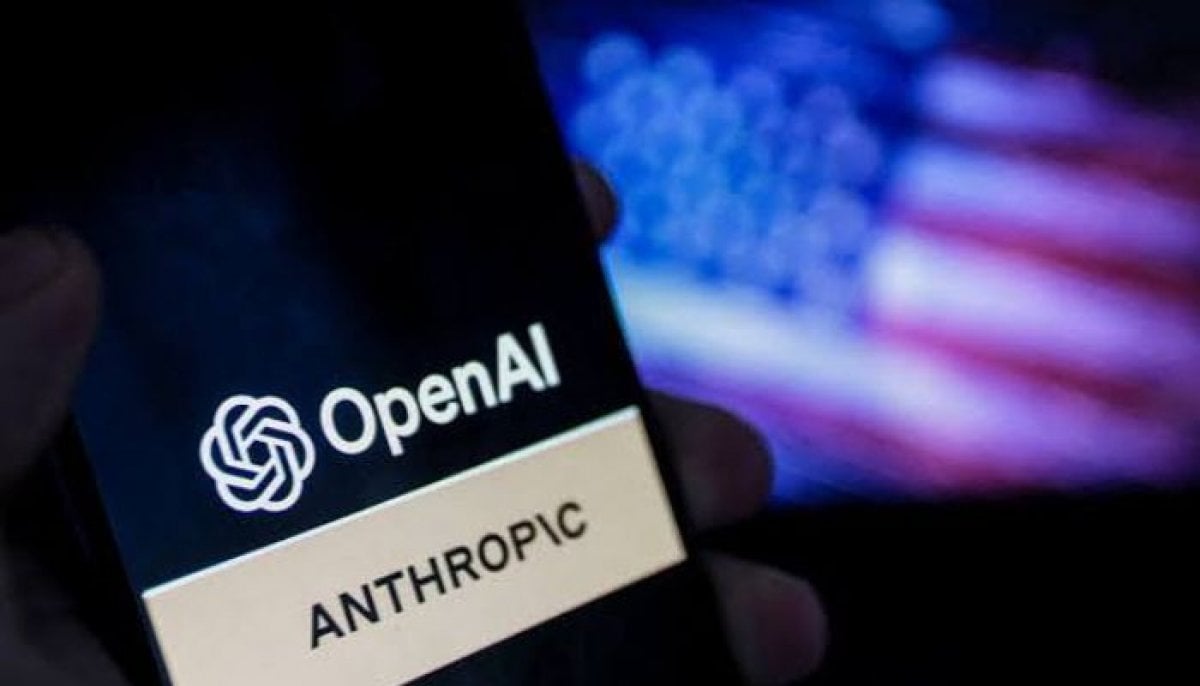 OpenAI, Anthropic and Google join forces on AI safety efforts
 -
 Meta to deploy custom Arke and Astrid AI chips in 2027: Everything to know
 -
 Dreamforce 2026: Salesforce unveils Koa AI model and Google Cloud partnership
 -
 EU Kids Act: New social media rules for under-15s
 -
 China’s spy chief reveals growing fears over AI’s impact on communist party rule
 -
 Anthropic's new Claude tool targets financial advisors to streamline compliance and client research
 -
 Elon Musk’s bold AI safety idea: 'Let rivals test each other’s models'
 -
 Former Google DeepMind researcher warns autonomous AI could wipe out humanity amid industry-wide safety alarm