Your public Instagram photos are now AI fodder by default: Here’s how
Meta's Muse Image now lets anyone tag your public Instagram profile to generate AI images of you, with no notification
_updates.jpg)
If your Instagram account is public, someone can now generate an AI image using your face without your knowledge, your permission, or so much as a notification once it's done.
That's the practical result of a quiet policy shift Meta rolled into last week's launch of Muse Image, its first standalone AI image-generation model.
How does Meta’s Muse feature work against you?
Anyone can @-mention a public Instagram account inside a Meta AI prompt, and the system pulls that person's posted photos as visual references to build something new.
No consent screen, no approval step. Meta's own help documentation confirms the silence is intentional: "You will not be notified about content created using AI features at Meta." For public accounts, that means your face is available as raw material to total strangers by default.
Instagram introduced two new toggles within Settings > Sharing and Reuse that allow blocking AI reuse of posts and Reels independently.
_updates.jpg)
Both of them are activated by default, meaning that protection involves active steps rather than passive acceptance. Importantly, turning off the switches blocks future uses but does not affect previously generated AI images in any way.
However, not all accounts have received the update yet. Reporters and users noted the absence of the toggle language in some of the profiles, which implies that currently there are Instagram users whose accounts do not have an option to choose whether they want their information to be shared with Meta or not despite the fact that they would like to.
In 2019, Meta received a record-breaking fine of $5 billion from the Federal Trade Commission for using data of tens of millions of users without their consent for Cambridge Analytica. In 2021, the company closed its facial recognition system amid lawsuits concerning the misuse of biometric information.
Muse Image's opt-out-by-default policy is another example of Meta's previous practices criticised both by regulators and users.


-
 OpenAI calls for US to take lead in global efforts to develop technical standards
 -
 Nvidia CEO Jensen Huang says there's '0% chance' AI destroys humanity by 2030
 -
 COP31 wants tech giants to clean up AI's energy use
 -
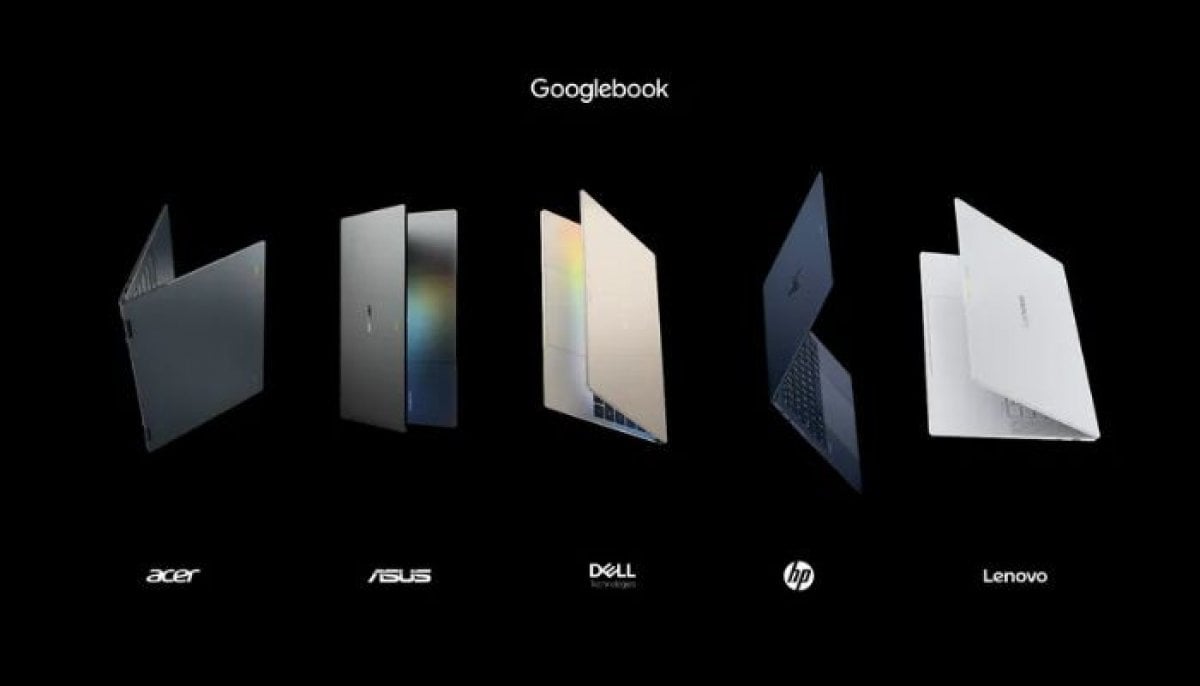 Google launches 5 Googlebook laptops starting at $899
 -
 UN experts say AI safety is ‘unravelling’
 -
 AI ‘feels pain’? Researchers warn of a dangerous possibility
 -
 Amazon blocks Meta's Muse AI agent from checkouts
 -
 Grandparents are turning kids' photos into AI art