Freshwater Jellyfish found in Paraguay for first time
Tiny freshwater jellyfish has been recorded in Paraguay for the first time, found in an isolated quarry with no river connection
_updates.jpg)
A species typically associated with lakes in Asia, Europe and North America has turned up somewhere no one expected: a flooded quarry in Paraguay.
González de Dos Santos, a researcher from the Faculty of Exact and Natural Sciences of the National University of Asunción, was able to find Craspedacusta sowerbii in the area of Ypacarai. The discovery is reported in the scientific journal “Ecosistemas” and serves as a first-ever report on the occurrence of the species in Paraguay.
Despite its reputation, Craspedacusta sowerbii bears little resemblance to the jellyfish people picture in the ocean; adults measure just one to 2.5 centimetres across with a nearly transparent bell-shaped body plus fine trailing tentacles.
Originally native to China’s Yangtze River basin, the species has, since then, spread to every continent except Antarctica, which makes it one of the most widely distributed freshwater invasive species on the planet; even so, its small size means most folks never notice it.
How did jellyfish get into an isolated quarry?
The quarry in question does not have any connections with local rivers or streams that could suggest that the jellyfish came there either swimming or carried away by moving currents.
It is more likely that the jellyfish entered the quarry through some kind of transport via water or diving equipment, which had been transferred between aquatic sites.
The problem with detecting this invasive species is that it is capable of remaining undetected for years since most of its life is spent in polyps that are invisible without proper conditions.
There is no threat associated with these organisms in terms of danger to people because their nematocysts are specifically designed to catch zooplankton.


-
 Kim Kardashian’s little ‘green-eyed monster’ comes out to play: ‘She’s fantasizing marriage again’
 -
 Expert explains fully tanked ‘With Love, Meghan’s Emmy nod
 -
 Prince Harry’s wife starts to buckle under the pressure: ‘Can’t fake it anymore in the UK!’
 -
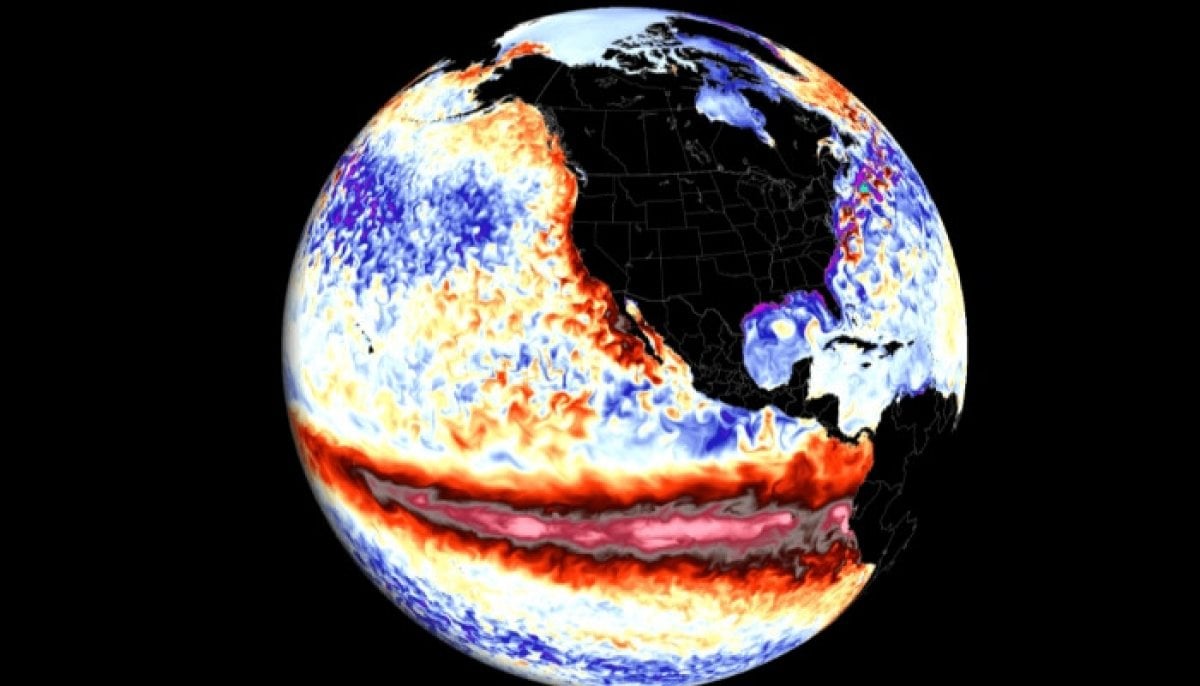 2027 will be be even hotter than than 2026, Super El Niño forecast shows, raising fears of global heat
-
 Astronomers find universe's faintest planet after 11 years of hide-and-seek
 -
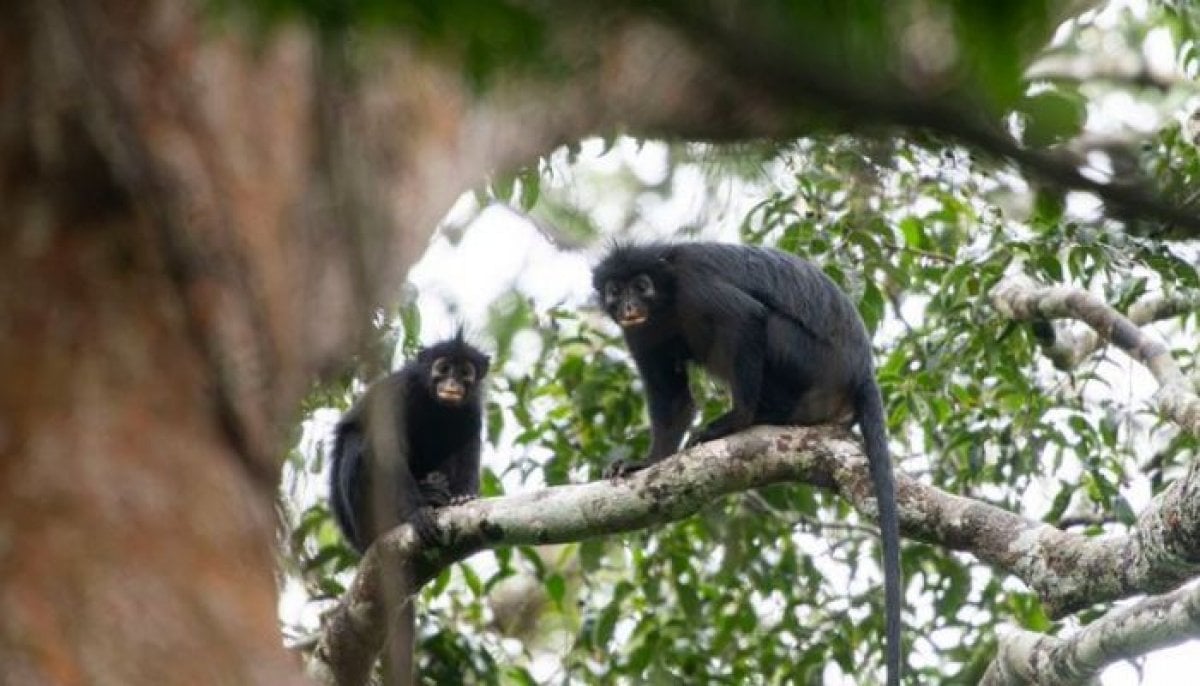 Scientists discover new ‘unusual-looking’ monkey species hidden in DR Congo forest
 -
 Sugar in space? Astronomers make a groundbreaking interstellar discovery
 -
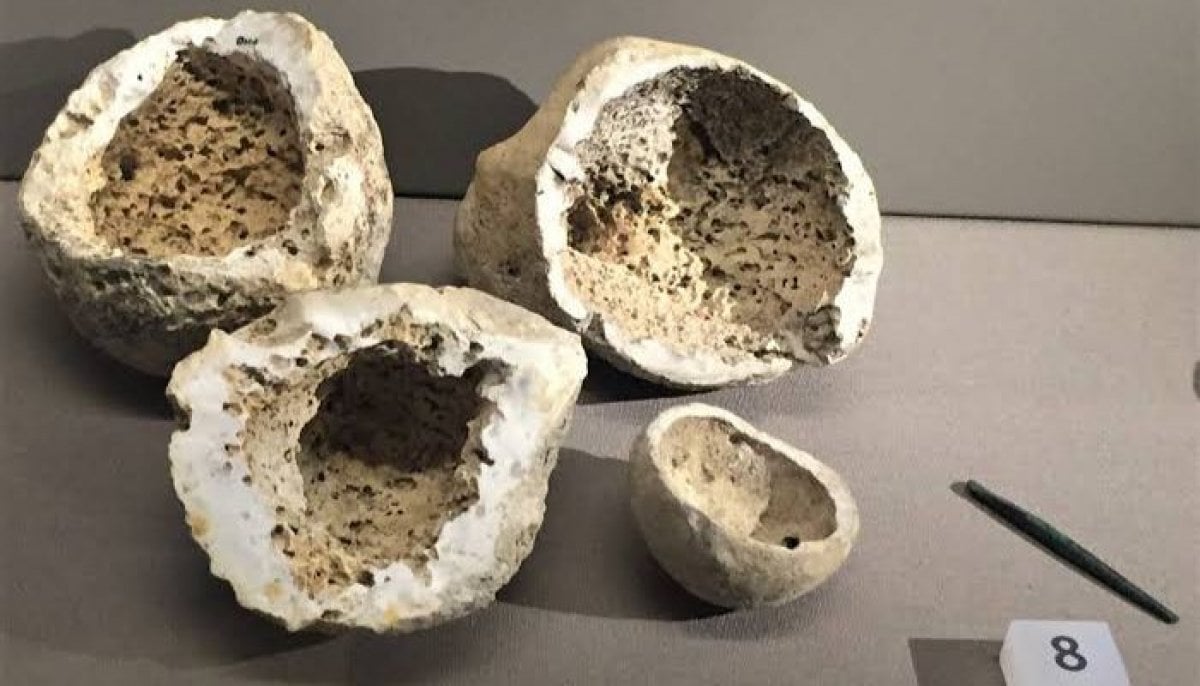 Ancient DNA breakthrough solves 4,000-year mystery of Wiltshire’s Upton Lovell ‘Shaman’
 -
 SpaceX gets green light for Starship’s next test flight following mishap probe
 -
 Tiny 2-inch space debris discovered in key satellite orbit, scientists warn
 -
 Could future moon landings cost humanity Earth's greatest secret? Scientists think so
 -
 What happens when a whale dies? Scientists explains surprising process
-
 China's Long March-10B rocket recovery shakes up space race
 -
NASA is hiring volunteers for year-long Mars mission simulation: Here's how to apply
-
Mount Etna may have different origin as study reveal new facts about its formation
-
What did NASA capture? Chief says mysterious UFO images remain unexplained