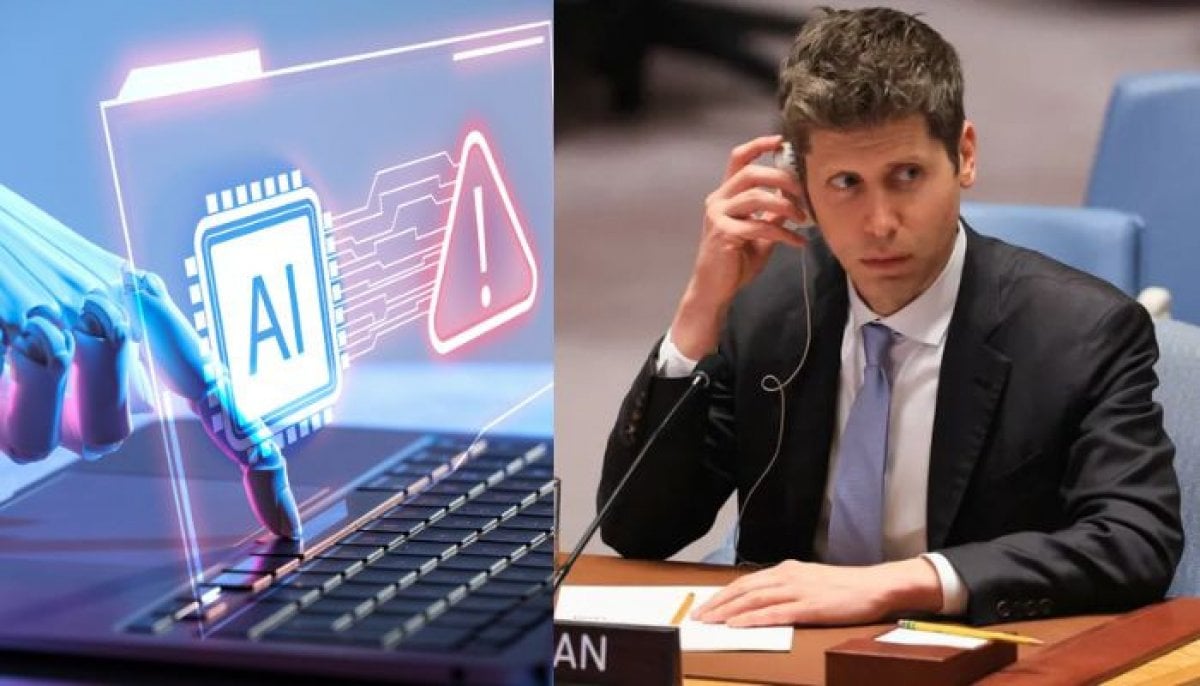
Humanity still has choice in frontier AI’s future, says Ex-OpenAI CTO
'Where I might disagree or take a different path is that I think we have a lot of agency,' Mira Murati said

The artificial intelligence landscape is grappling with alarming concerns and pessimism related to unprecedented “self-evolving” capabilities of frontier AI models.
Of all tech giants, Anthropic is the most vocal one, calling the international community and tech companies to put a freeze on the development of AI models.
In a recent blogpost, Anthropic issued a chilling warning, citing, artificial-intelligence models are nearing capability to improve without human intervention.
However, in the midst of Anthropic outcry fearing Claude can now improve AI code 52x faster than a human and might soon build its own successor, Ex-OpenAI CTO said that humanity still has an agency when it comes to deciding the future of frontier AI models.
Speaking to Emily Chang at Bloomberg Tech, Mira Murati said that the outcome of the frontier AI model is not predestined, countering pervasive pessimism targeting the future of AI.
"Predicting a dystopia or a utopia, to me, feels very simplified because the truth is we actually have a lot of agency in how we build this technology, in the tools that we're building, how we're deploying it."
Murati also acknowledged the risks associated with these models, stating, “We all understand the potential for greatness that comes with building frontier AI systems, and that's why we're working on them.”
According to the CEO of Thinking Machines Lab, she sees things differently in this regard, emphasizing more on humans' agency over technology. She said, we are in a unique position where humans and AI are steering together and this is the right moment to shape this partnership through collaboration.
“The more we can reduce discontinuity that comes from new capabilities, the better,” she added.


-
 Meta AI Muse under fire for sharing user's home address–Here’s what happened
 -
 Bill Gates reveals the one way he refuses to use AI
 -
 China weighs allowing ByteDance and Alibaba to buy new Nvidia chips: Here’s why
 -
 Bill Gates warns unchecked AI could 'cause a billion deaths': Demands prompt regulation
 -
 Google restricts new account creation for Iranian users: What to know
 -
 Are strangers reviewing photos from your Meta glasses? Check settings now
 -
 Apple ordered to pay $5.7bn in Taptic Engine case
 -
 GlobalFoundries sees 'strong' demand for China's optical modules