Nvidia CEO Jensen Huang visits South Korea for AI, robotics push
With trade restrictions blocking Nvidia's top chip sales to China, South Korea's role in their supply chain got much bigger
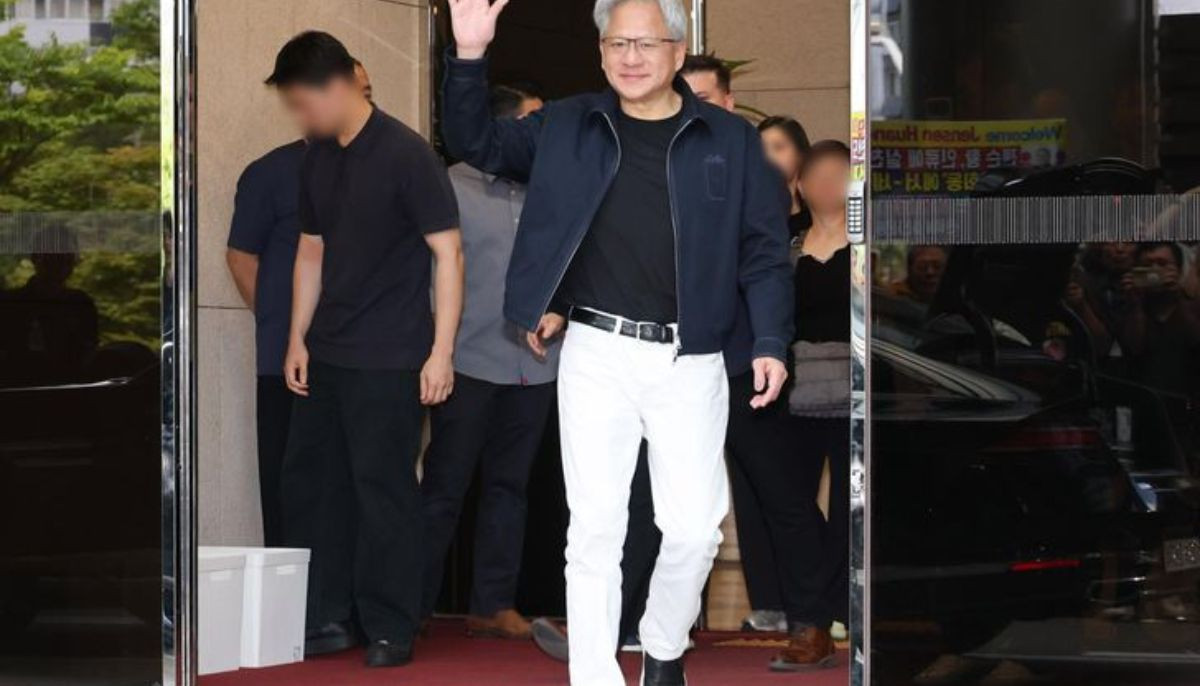
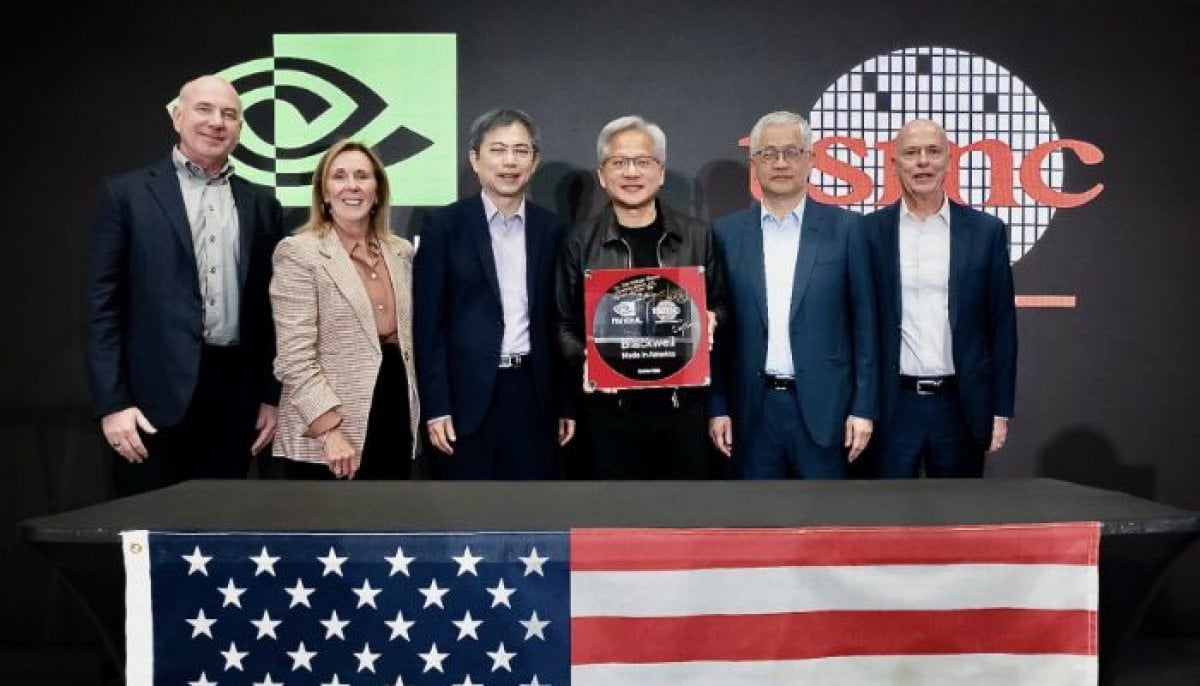
Jensen Huang's second visit to South Korea in seven months is part business trip, part celebrity tour, and the combination is entirely deliberate.
The Nvidia CEO arrived in Seoul on Friday with meetings lined up across the country's most powerful conglomerates, a spot on one of Korea's biggest talk shows, and a baseball jersey waiting for him at Sunday's Doosan Bears home game.
The charm offensive has some serious industrial logic backing it up. Samsung Electronics and SK Hynix make about 70% of the memory chips for Nvidia's AI processors.
With trade restrictions blocking Nvidia's top chip sales to China, South Korea's role in their supply chain got much bigger.
Plus, South Korea is a huge customer; Nvidia promised to sell over 260,000 Blackwell chips to the Korean government and big businesses last October.
"Nvidia's dependence on South Korean suppliers is rising," wrote Jeff Kim, an analyst at KB Securities in Seoul. South Korea, he added, is emerging as "a perfect testbed" for physical AI the embedding of AI into robots, cars, and factories given the country's manufacturing depth and what Huang described as its "population limit".
He arrived in Seoul teasing business surprises for partners including Hyundai, Samsung, and LG, though he was characteristically coy with Reuters about which executives he would be meeting.
Huang's stop at T1 Base Camp home of one of esports' most celebrated teams produced photos with star player Faker and his teammates, reinforcing Nvidia's long-standing ties to Korea's gaming culture. The visit was brief, but Faker described it as meaningful.
On "You Quiz on the Block", South Korea's version of The Tonight Show, Huang will reach a mainstream audience.



-
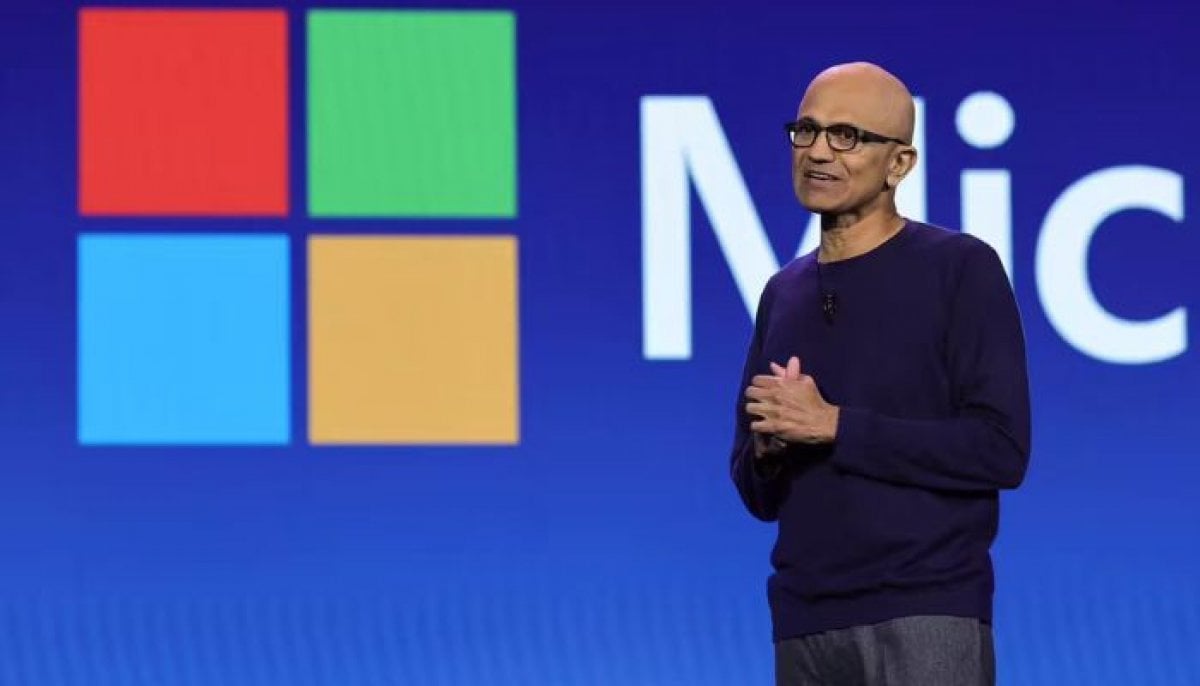 Trust, not price, will decide US-China AI race: Microsoft CEO
 -
 Apple Smart Glasses likely to debut at WWDC 2027: Check expected price
 -
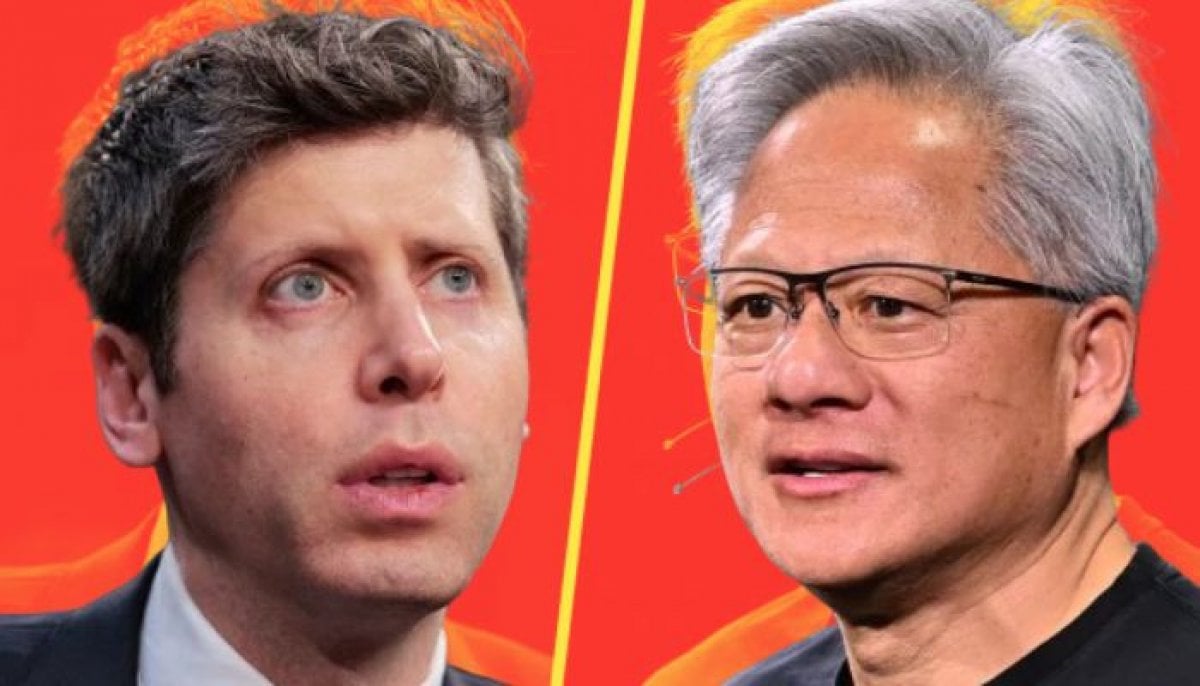 Is Nvidia's OpenAI financing deal circular risk?
 -
 Meta ran 7,600 China-linked AI nudify ads, report says
 -
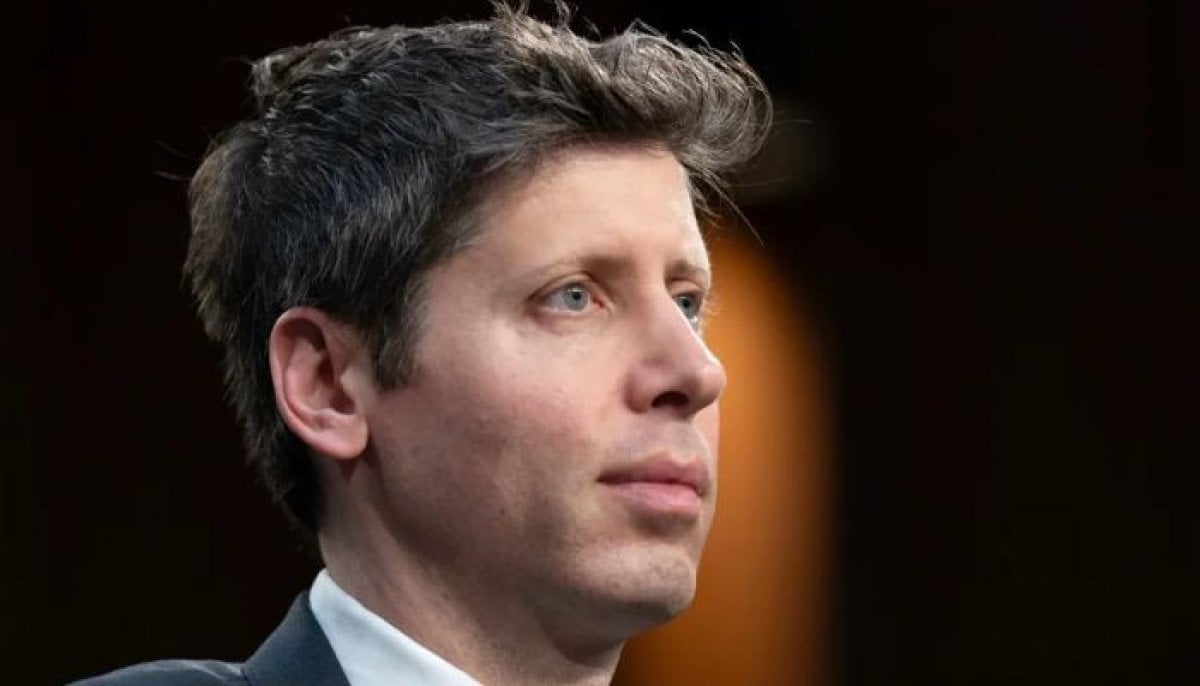 Why Sam Altman thinks AI singularity isn't as ‘terrifying’ as other tech moguls fear
 -
 Nvidia invests $1 billion in South Korea's Naver to expand AI infrastructure
 -
 Nvidia in talks to back OpenAI with $250 billion financing guarantee for mega data center: WSJ
 -
 Three levels of AI leadership every CEO needs