Microsoft Build 2026: New PC, Cloud AI tools and Windows upgrades in focus
Microsoft is expected to unveil new AI-powered tools for PCs, expand Azure cloud capabilities and introduce Windows enhancements at its flagship developer conference
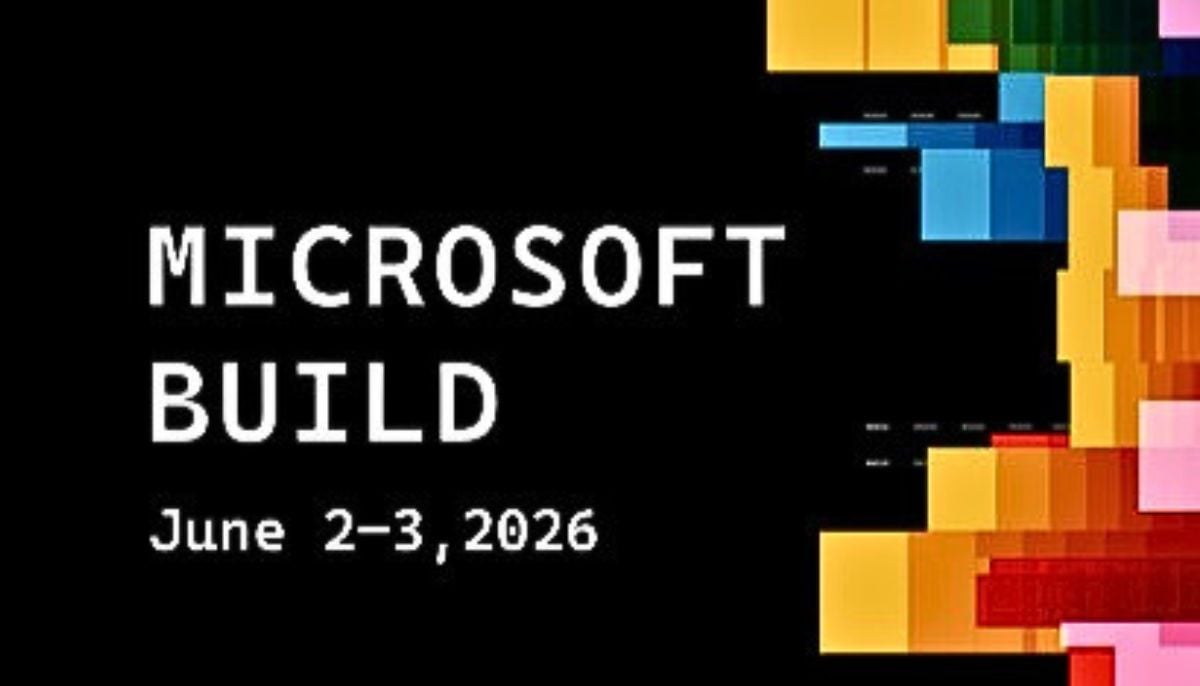
Microsoft is geared up to showcase its biggest event of the year, "Microsoft Build 2026," as its annual Developer Conference starting from June 2-3, respectively.
The world's leading tech giant will hold its annual software developer conference on Tuesday, where the company is expected to showcase new tools for developers building AI software for PCs and the cloud.
Microsoft Build 2026: What to Expect from Developer Conference:
Microsoft is set to reveal new AI features for Windows PCs, Azure cloud services and software developers as Build 2026 gets underway.
In a keynote address in San Francisco, Microsoft CEO Satya Nadella is expected to outline how the technology company plans to compete both in the cloud, where it is both an investor and a rival to firms such as OpenAI, and increasingly on PCs.
He also hinted at Windows AI upgrades with new tools for running AI models locally on PCs and improvements aimed at developers building AI-powered applications.
New agentic AI tools for safer businesses:
Developers are expected to get a first look at Microsoft's latest AI models, cloud services, and Windows tools designed to power the next wave of applications.
New proprietary AI models will be used for coding, reasoning, speech, transcription and image analysis, expanding Microsoft's in-house AI portfolio.
Analysts expect Microsoft to work on making such agentic AI tools safer for businesses and the world's 1 billion users of its Windows operating system to use on a regular basis.
New AI models, including Microsoft's MAI-Thinking-1 reasoning model and updated image-generation models aimed at enterprise and developer use cases.
GitHub Copilot upgrades with more autonomous coding capabilities, debugging and testing features aimed at reducing manual developer work.
Moreover, Copilot enhancements, including a preview of a unified Copilot "super app" and more autonomous AI assistants capable of handling complex tasks.
The new Copilot "super app" could unify multiple AI assistants and services into a single experience.
Microsoft's new PCs and Azure AI:
Azure AI and cloud infrastructure enhancements are expected to focus on building, deploying and scaling AI applications for enterprises.
The laptop and desktop computers are becoming home to tools such as OpenClaw, a piece of open-source software that can direct groups of AI bots called agents to carry out everyday tasks for users.
But OpenClaw, which has gained popularity in China and helped Microsoft's longtime rival Apple sell Mac computers, and other such tools are also risky for most businesses to use.
Precisely, Microsoft's new systems will focus on AI development, model deployment and enterprise AI workloads.
New AI Chips for PCs:
Microsoft users will get AI-powered PC experiences, including support for new Nvidia-powered hardware designed to run advanced AI workloads directly on Windows devices.
Tech experts also expect more details on how Microsoft will let developers tap a new chip from Nvidia unveiled on Monday to help bring AI directly to PCs.
The chip will go into laptops priced to compete with Apple's premium offerings, and its release helped boost shares of both Microsoft and major PC makers such as Dell Technologies, though analysts said it may take time for businesses to adopt the new machines.
Additionally, analysts also expect Microsoft to provide updates on its own AI models, using which it aims to compete in fields such as code completion with OpenAI's Codex and Anthropic's Claude Code.
Last but not least, Windows 11 developer improvements, including a developer-focused environment with pre-installed tools and performance enhancements.


-
 Block’s Dessa AI voice model learned to talk without text: Here’s how
 -
 Sam Altman says AI is finding ‘Insane’ hardware-level bugs we never expected
 -
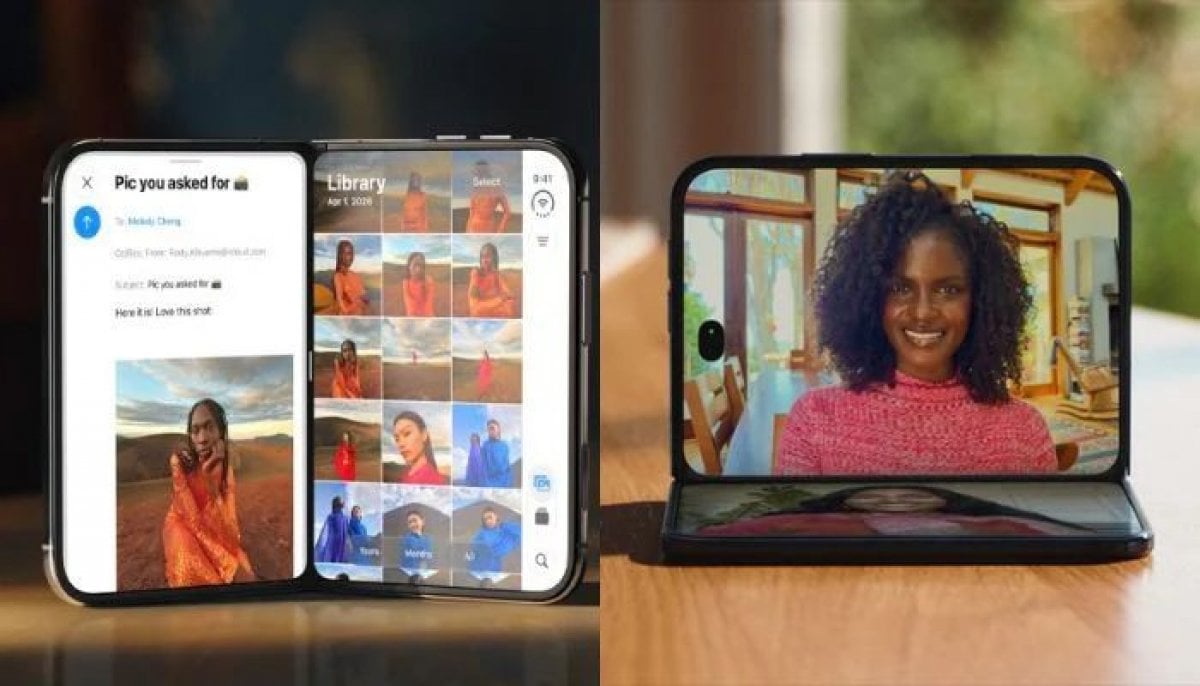 iPhone Duo screen cracks after just six hours, users report
 -
 AI decodes Napoleon's cipher after 217 years in 6 hours
 -
 3 settings to stop Google personalised ads from Gmail data
 -
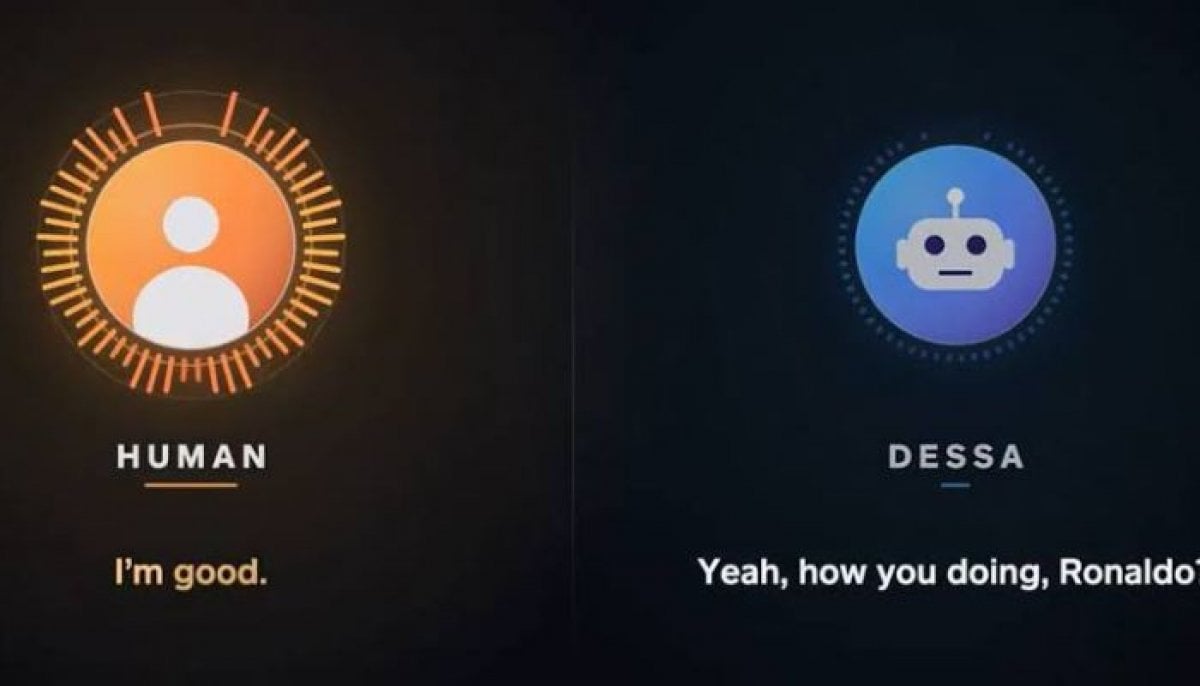 Jack Dorsey’s Block launches Dessa AI voice model, but users aren’t happy
 -
 Moonshot AI restricts open-weight hacking ability in new Kimi model as fears grow over AI-powered cyberattacks
 -
 WhatsApp tests new filter to find mentions, replies faster