Google to release 32 million mosquitoes in Florida, California–Why critics are concerned
Google is also seeking federal approval for the debug project
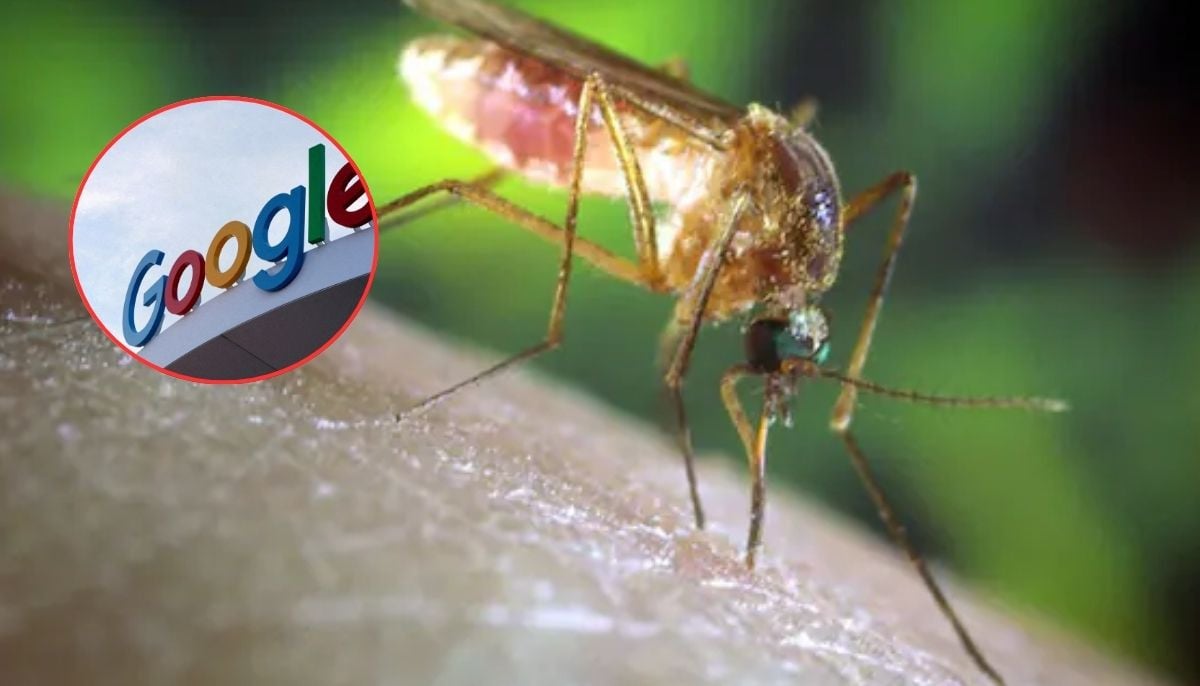
Google is set to release around 32 million mosquitos in California and Florida a part of its “debug” program.
Under this project, Google aims to “stop bad bugs with good bugs” by releasing millions of sterile yet “good bugs” that will stop the reproduction of bad bugs.
According to Google Debug webpage, the good bugs are male Culex quinquefasciatus mosquitoes that contain naturally-occurring bacteria Wolbachia that would prevent the bad bugs from having “offspring with wild female mosquitos,” thereby effectively preventing the eggs from hatching.
“Male mosquitoes can’t bite or spread disease, so good bugs will stop bad ones from reproducing. Over time, there will be fewer and fewer bad mosquitoes.”
Not only in the US but also globally, mosquitos have become the one of deadliest insects responsible for causing life-threatening diseases as reported by the Centers for Disease Control.
Among all the species of mosquitos, Aedes aegypti causes dengue fever, Zika and chikungunya, putting the lives of hundreds of millions of people at risk per year.
“Attacking mosquitoes with pesticides is unsustainable because they’re becoming less effective over time and can be toxic.”
“We need a new approach,” Google added and the approach is the use of “good bugs.”
According to Google Debug scientists, this technique is quite safe as it does not involve any chemicals, toxins and genetic modification. This is not the first-of-its-kind experiment, in fact similar approaches have been used to tackle such deadly pests for years.
By leveraging AI-driven sorting, robotics, and large-scale automated rearing, the initiative addresses the critical bottlenecks preventing the mass production and sex-sorting of mosquitoes, ultimately making large-scale population control viable.
Talking about the current status of the project, Google is seeking federal approval for the project. According to a notice from the Federal Register, the Environmental Protection Agency is currently reviewing Google’s Experimental Use Permit applications under the Federal Insecticide, Fungicide and Rodenticide Act.
As per provided details, in its first year, Google will release 16 million mosquitos in Florida followed by the remaining half in Florida in the second year.
Even the public has its say in the project. They can raise any objections or make comments on this matter by going to the Federal eRulemaking Portal at www.regulations.gov and entering the docket identification number EPA-HQ-OPP-2025-395 until June 5, 2026.
But the critics are concerned because of various reasons. Some environmentalists have raised concerns regarding the project's long-term impact on insect population and it could also disturb the food chain balance in the ecosystem.
Some have raised concerns regarding the involvement of tech corporate entities in deploying large-scale biological operations if the primary goal is public health.






-
 Ed Sheeran responds to Macklemore backlash with major change to Philadelphia show
 -
 Nick Reiner claims he's been denied access to his own money
 -
 Ed Sheeran's cousin exposes 'selfish' singer after Macklemore firing: 'He screwed me over too'
 -
 Tony and Grammy-winning singer-composer Duncan Sheik dead at 56
 -
 Charles Spencer stands firm on his King Charles, Princess Diana claim
 -
 Why California gas prices are drawing ‘I am legend’ movie comparisons
 -
 Elon Musk's Neuralink patient uses brain implant to say 'I Love You'
 -
 Tilly Norwood malfunctions during Piers Morgan interview: Here’s what happened