China tightens rules on overseas investment as tech rivalry with US intensifies
The rules will take effect from July 1, 2026
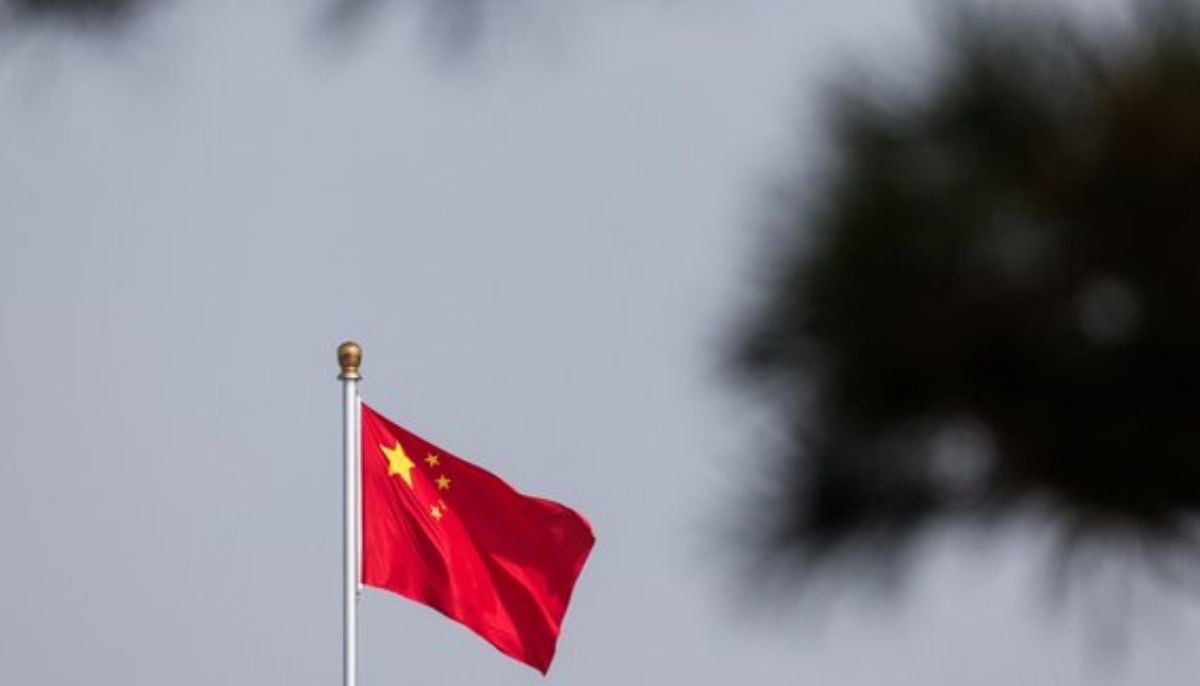
China in a recent move has tightened outbound investment rules in bid to protect the economy and national security amid intensified technology rivalry with the US.
The tightened scrutiny of overseas capital flow comes after China’s push to block Meta-Manus deal earlier this year on the grounds of violating unspecified outbound investment laws.
According to the State Council, acting as the country’s cabinet, the government will not allow Chinese businesses or investors to export goods, services, technology and data without permission.
This is for the first time, Beijing has issued comprehensive legal rules managing overseas transactions, escalating compliance risks for global investors in sensitive sectors including AI and Chinese which the government considers critical to national security.
Besides the authorized exports, the rule will also prohibit indirect transfers, banning the transfer of restricted data or technology through cross-border personnel deployments, technical guidance and training programs.
Investors "shall not transfer goods, technologies, services and related data that are prohibited from export... by means of sending technical personnel across borders, organising personnel to work in other countries (regions), providing technical guidance across borders, or arranging cross-border training,” the document reads.
As per new rules and regulations, China will hold the power to penalize foreign entities considered harmful to national security and the country’s interests.
As a result of violating the rules, the foreign investors will be banned from taking part in China-related trade and investment. Moreover, they would not be given visas, thereby revoking residency permits.
The government can take action against the entity if its country prevents the firm from trading with China. Moreover, the rules will also follow two new supply chain security decrees. For instance, if the US sanctions a Chinese tech firm Beijing can take counter measures by blocking a US firm’s unrelated acquisition of a Chinese-linked entity.
In the case of breach of rules, the firms would face strict penalties such as fines and investment bans.
For existing unapproved investments, authorities can mandate that entities halt operations and divest shares or assets within a specific timeframe.
The rules will take effect from July 1, 2026.
As per analysts observations, China is tightening these export-oriented rules to counter Western sanctions, strengthen its footprint in global supply chains, and boost domestic capabilities.


-
 Mexico on alert as Hurricane Polo reaches Category 5 strength
 -
 Tucson police arrest five teens after stolen car incident and recover replica handgun
 -
 Net zero may not end climate inequality for poorer nations, research warns
 -
 Kamala Harris rallies behind progressive Abdul El-Sayed in Michigan Senate battle
 -
 Republican senator calls for investigation into Trump family business dealings: What to know
 -
 Trump insists US weapons stockpile remains strong despite Iran war concerns
 -
 UK PM Andy Burnham refuses to rule out EU rejoin pledge in next Labour manifesto
 -
 US F-16 reportedly crashes near American air base in Germany