Can aspirin reduce cancer risk? New findings show how it works
The research points to more common pain treatments for spreading tumors and its findings are prompting changes in health policy

A drug originally derived from willow bark thousands of years ago is sparking a medical revolution. New clinical data and policy shots in 2026 are confirming that aspirin which is the common-over-the counter painkiller- can significantly prevent certain tumors from forming and spreading.
The evidence is most striking for those with Lynch Syndrome, a genetic condition that gives carriers an 80% lifetime risk of developing bowel cancer. A landmark trial led by Professor John Burn at Newcastle University found that a daily dose of aspirin for two years halved the risk of colorectal cancer in these patients.
In this connection, Professor Burn said: “The people who took aspirin..had 50% fewer cancers in the colon,”
The success of these trials has already changed health policies. Since January 2026, Sweden has begun screening bowel cancer patients for specific mutations and offering low-dose aspirin as a standard treatment to prevent recurrence.
Similarly, UK guidelines now recommend aspirin for high-risk individuals as young as 20. While aspirin has been used since ancient Mesopotamia to treat pain, scientists are only now understanding its anti-cancer properties. The drug works in two main ways:
- Primarily, it inhibits the Cox-2 enzyme, which prevents the production of hormones that trigger uncontrolled cell growth.
- By thinning the blood and inhibiting thromboxane A2, aspirin may stop cancer cells from hiding in blood clots, making them visible to the immune system’s T-cells.
Despite the excitement, experts warn that aspirin is not a risk-free miracle. It is pertinent to note that regular use can cause internal bleeding, stomach ulcers, and brain hemorrhages.
While some researchers argue that every person in their 50s should take a “baby” aspirin to reduce national mortality rates, others, like Professor Anna Martling of the Karolinska Institute-urge caution.
“It's one thing to give aspirin to a cancer population but it's a totally different thing to offer the healthy population something that might harm them as well,” says Martling.
Experts insist that regular aspirin be reserved for high-risk groups under strict medical supervision. Ongoing trials involving 11,000 participants across the UK, Ireland and India are testing whether aspirin protects against breast, prostate, and esophageal cancers; results are expected in 2027.


-
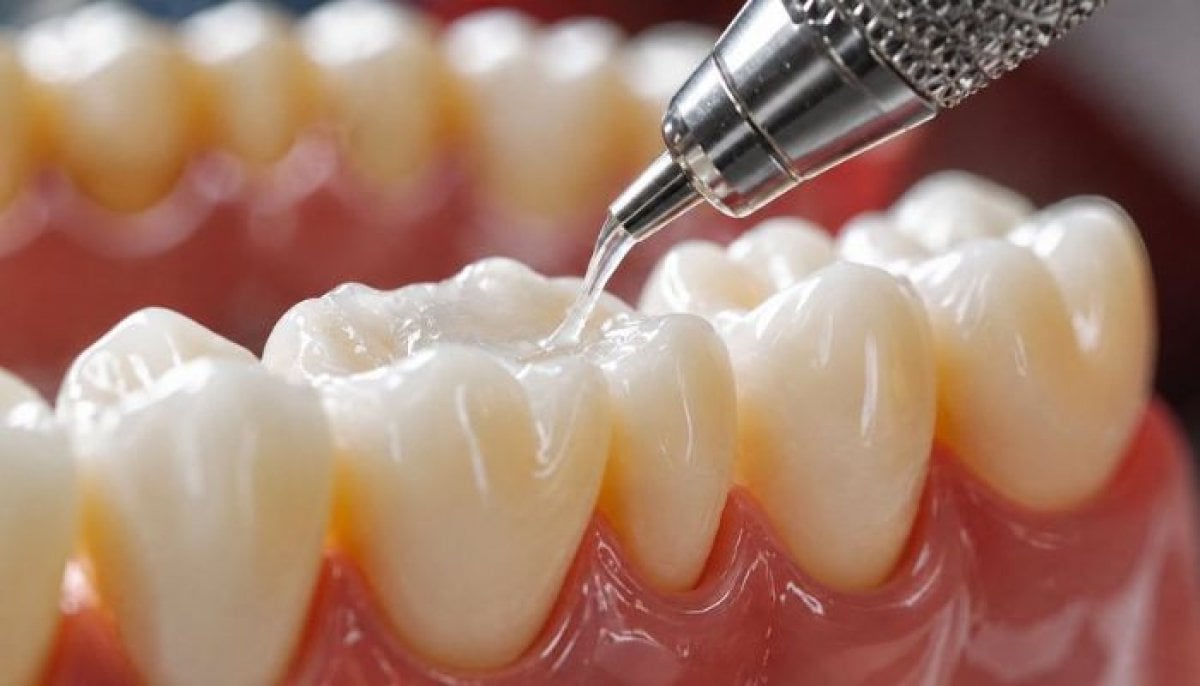 University of Nottingham researchers say new gel could regrow tooth enamel in weeks
 -
 New Chinese drug extends stroke treatment window from hours to 2 days: study finds
 -
 Trump’s FDA nominee Heidi Overton defends vaccines, contradicting his claims
 -
 New once-weekly insulin injection for type 2 diabetes wins FDA approval
 -
 Study identifies key cause of fatigue and brain fog
 -
 Apple’s screenless fitness tracker plans revealed: What to know
 -
 Rabies concerns grow in US, sparking health warnings over fatal virus
 -
 This popular cooking garnish may offer surprising benefits for brain health