Mars breakthrough: NASA rover finds new evidence of life’s building blocks
The experiment was first launched in 2020 and until now more than 20 organic molecules have been detected

The Mars mission once again comes closer to another breakthrough as NASA rover has found more building blocks of life on the Red Planet.
NASA scientists stressed that while these organic molecules are not guarantee of alien life as these molecules could also be formed as the result of meteorites and local chemical reactions. But the good news is that such clues enduring on the surface for 3 billion years are important to build a case supporting Martian history.
Previously it was thought that the surface of Mars was enriched with huge lakes and flowing rivers, highlighting the possibility of life on the planet. Hence, to uncover this mystery, NASA’s Curiosity rover explored the region consisting of a former lake bed previously called the Gale crater in 2012.
Equipped with just two small tubes of the chemical TMAH, a substance designed to break down organic matter for analysis, the car-sized rover embarked on a high-stakes mission.
According to a recent study led by astrobiologist Amy Williams, "This experiment's never been run before on another world.”
The team faced immense pressure during the process, as Williams noted they had only "two shots to get it right."
The experiment was first launched in 2020 and until now more than 20 organic molecules have been detected. Some molecules are those that had never before been confirmed on Mars.
"The same stuff that rained down on Mars from meteorites is what rained down on Earth, and it probably provided the building blocks for life as we know it on our planet," Williams said.
Another molecule containing nitrogen "is a precursor to how DNA is eventually built. We're seeing the building blocks for life -- prebiotic chemistry on Mars -- preserved in these rocks for billions of years,” she added.
But these findings cannot surely tell that life, even the microbial organisms, once existed on Mars. As per researchers, the only way of finding the clues of life is closer analysis of Martian rocks by bringing them back on Earth.


-
 A ‘neglected’ neutrino may hold the key to why the Universe exists
 -
 Can cancer drugs be made in space? Here’s what the new mission aims to find out
 -
 SpaceX Falcon 9 successfully launches Bandwagon-5 mission with 32 payloads
 -
 Europe launched 8 orbital rockets last year, can it rival Starlink?
 -
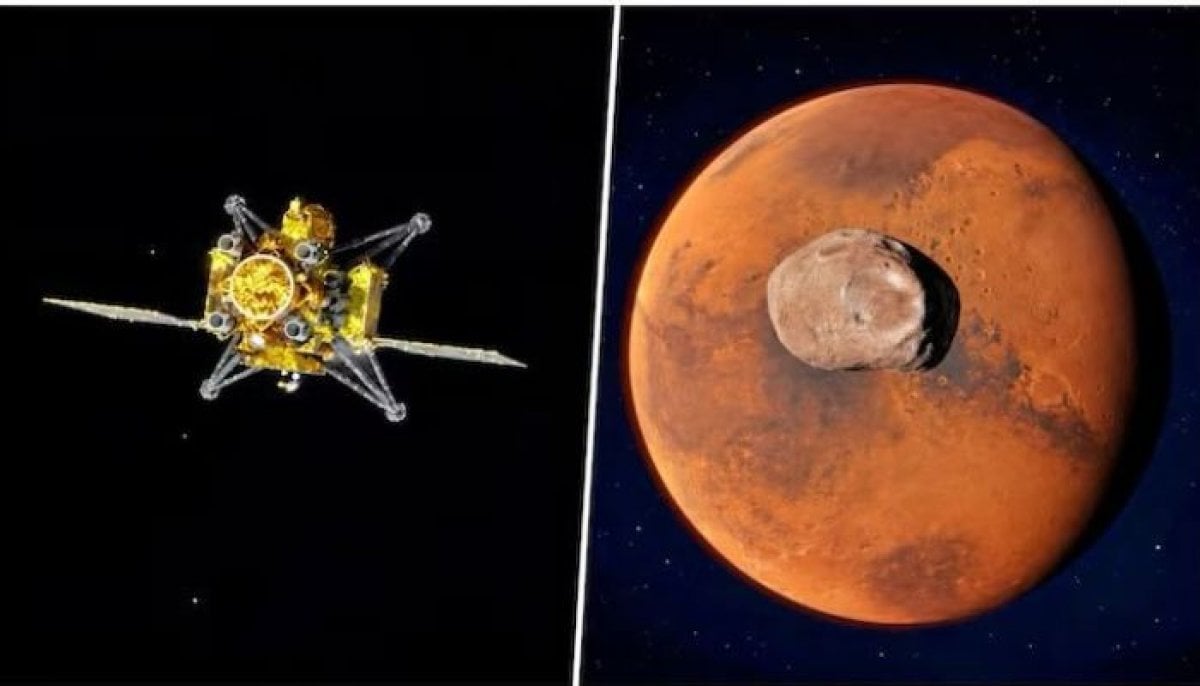 Japan launches world’s first mission to bring sample back from phobos
 -
 Orionid meteor shower 2026: Peak date, viewing tips and what to expect
 -
 Why Mars looks blue in NASA’s unedited curiosity panorama?
 -
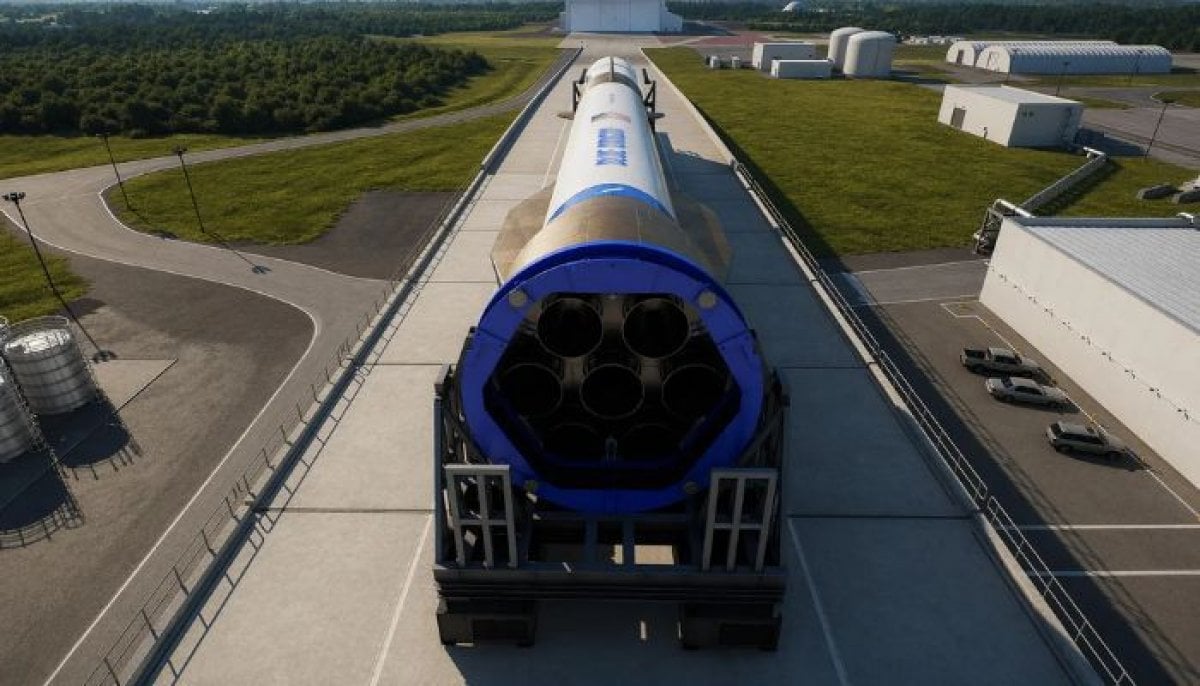 Blue Origin upgrades new Glenn rocket launch infrastructure to take on SpaceX