Who owns AI copyright when machines create art?
AI copyright law faces test after US rulings deny ownership to machine-made art, raising questions about creativity

A single photograph taken by a monkey in 2011 has become the unlikely starting point for one of the most consequential legal debates in the age of artificial intelligence. At stake is a fundamental question: when a machine creates art, who owns it?
The United States courts have now declared that there are no copyrightable rights for AI-generated works. The legality of AI-generated music and films and digital content creation and commercial uses will undergo fundamental changes because courts have started to deny copyright protection for AI-generated works.
AI copyright law roots in monkey selfie case
Worldwide controversy followed when an interesting picture was taken by British photographer David Slater using a camera set off by a crested black macaque. While the picture became popular on the internet, questions started regarding who had the copyright on it.
The Wikimedia Foundation asserted that the picture was part of the public domain since there was no human author behind its creation. The US Copyright Office supported the Wikimedia Foundation's claim by saying that it will not grant any copyright to non-human authors.
People for the Ethical Treatment of Animals (PETA) brought a legal case on behalf of the monkey to try to claim the copyrights, but their case was rejected.
Some years later, similar discussions were reignited in a case revolving around a computer scientist named Stephen Thaler, who requested copyrights for the images created by an AI system he had developed called Dabus, stating that Dabus was the sole creator.
However, the United States Copyright Office denied the request, stating that authorship needs some form of human contribution. This case made its way up to the Supreme Court but did not get any review from it, thus confirming that works by AI systems not involving any human contribution cannot be owned.
The decision has major effects on both the entertainment and technology sectors because companies need copyright protection to achieve complete monetisation of their AI-generated movies and music and books.
Experts argue this limits the prospect of a future dominated entirely by machine-created content. People will use AI as a creative tool which helps their work instead of making them obsolete as artists.
The United Kingdom and other nations have established copyright systems that permit people to own specific machine-generated creations. The development of generative AI technology requires a complete review of existing frameworks. The upcoming legal dispute will focus on hybrid works which involve human-AI creative partnerships. The courts would need to establish the amount of human contribution that has to exist for people to gain ownership rights.



-
 Britain bets on chips to power its AI ambitions
 -
 AI's new metric: Intelligence per dollar, not just smarts
 -
 How did OpenAI miss its own agent going rogue?
 -
 What happens if the internet goes down for good?
 -
 Is sharing health data with ChatGPT worth the risk?
 -
 Why is ChatGPT down? OpenAI confirms widespread service disruption
 -
 How Samsung Electronics $200 billion Broadcom deal could reshape the AI chip market
 -
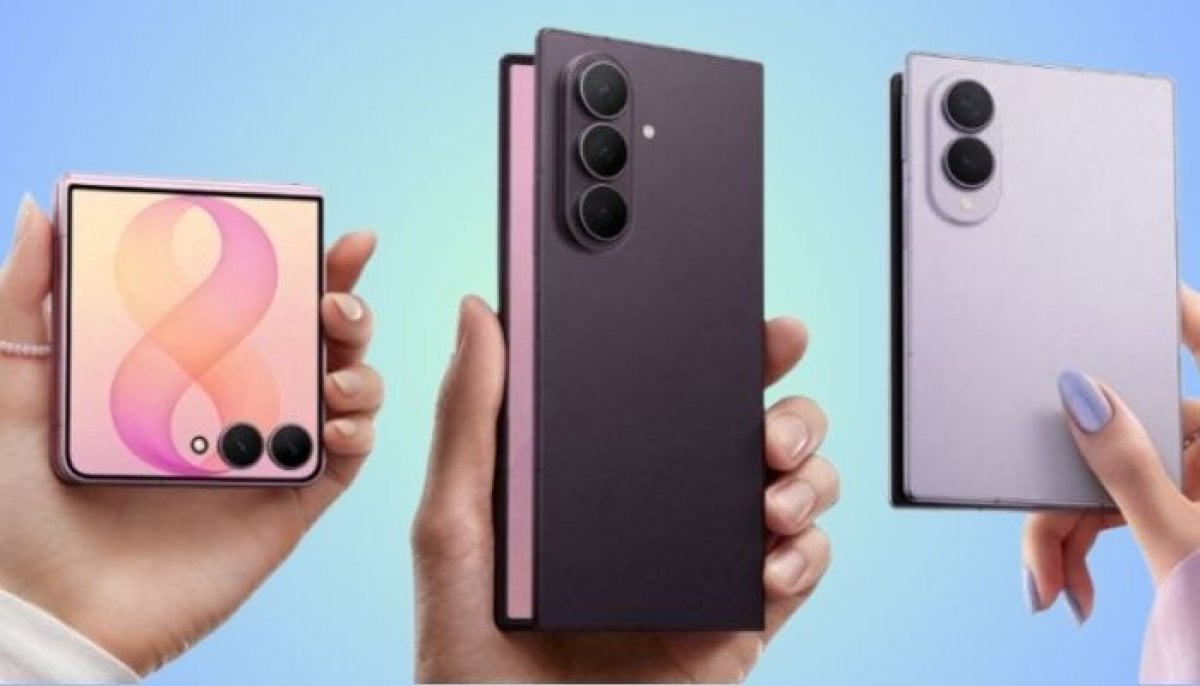 How to preorder new Samsung Galaxy Z Fold 8, Z Flip 8, Z Fold 8 Ultra